Cholesterol forms a crucial component of cell membranes. According to the Times of India, it helps maintain membrane strength and flexibility, participating in various cellular functions. The body requires cholesterol for many essential processes and can synthesize it internally.
The body uses cholesterol as a raw material to produce hormones such as estrogen, progesterone, testosterone, and cortisol. These hormones regulate menstruation, reproduction, energy metabolism, and the body's stress response. Therefore, cholesterol is vital for hormone production.
Cholesterol also plays a role in vitamin D synthesis. When skin is exposed to ultraviolet B (UVB) rays from sunlight, a form of cholesterol in the skin converts through several steps to produce vitamin D. This vitamin is essential for calcium absorption, maintaining bone health, and supporting immune system activity. However, increasing cholesterol intake does not necessarily lead to more vitamin D production. Vitamin D synthesis also depends on sun exposure levels, age, skin tone, and other factors.
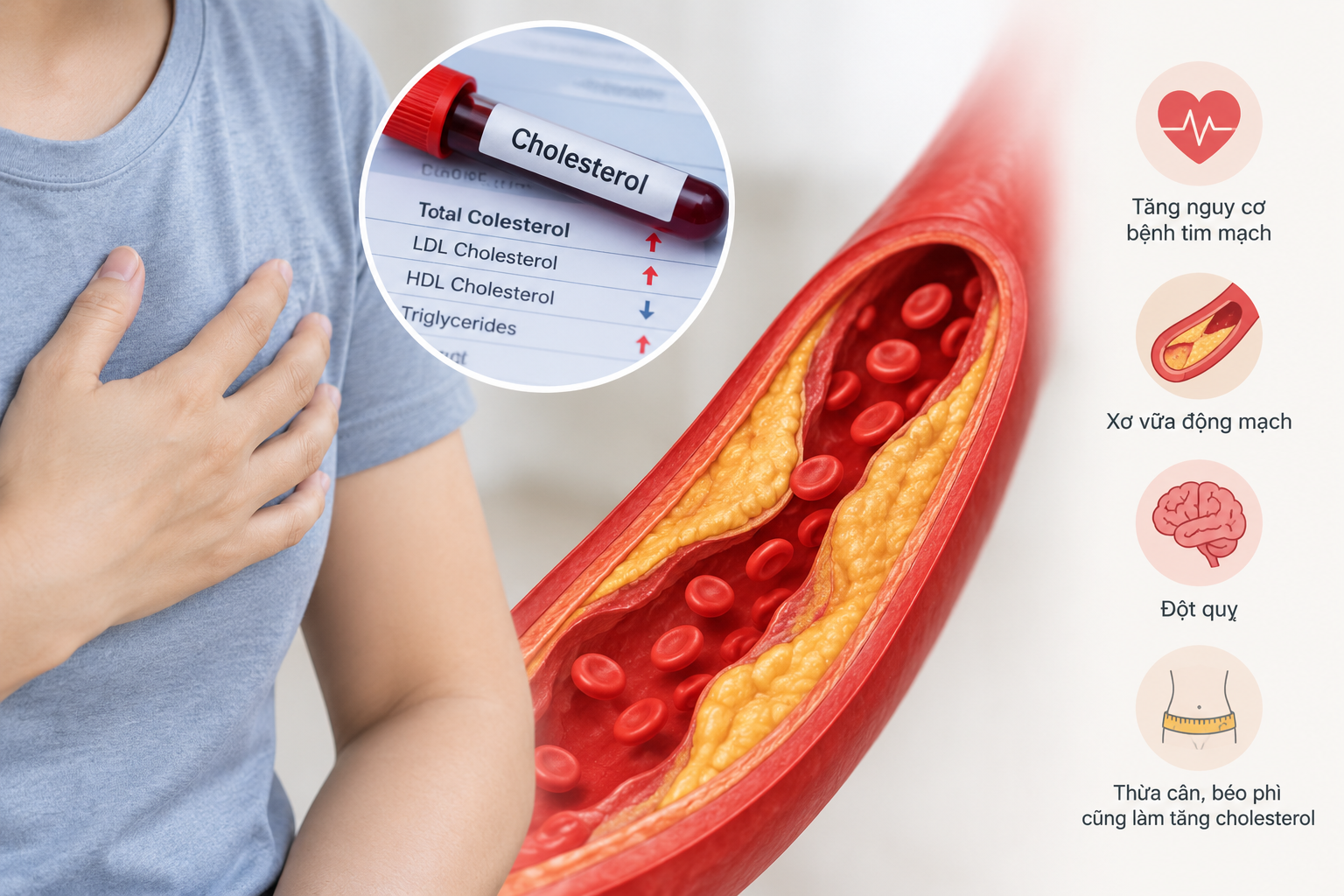 |
High cholesterol increases the risk of cardiovascular disease. Photo created by AI |
Furthermore, cholesterol supports fat digestion. According to WebMD, cholesterol in the liver contributes to bile acid production. The body stores these bile acids in the gallbladder and releases them into the intestines during food digestion. They help digestive enzymes break down fats, enabling the body to absorb fats and fat-soluble vitamins A, D, E, and K.
For healthy individuals, "bad" cholesterol (low-density lipoprotein, LDL) levels should ideally remain below 3 mmol/L. "Good" cholesterol (high-density lipoprotein, HDL) protects blood vessels. In men, an HDL level below one mmol/L, and in women, below 1,3 mmol/L, is considered low, increasing the risk of atherosclerosis and early cardiovascular disease. Total cholesterol is normal below 5,2 mmol/L; levels between 5,2 and 6,2 mmol/L are elevated. Various factors influence blood cholesterol levels, including diet, weight, exercise, age, certain medical conditions, medications, and genetics. Instead of attempting to eliminate cholesterol from the diet, individuals should focus on their overall eating patterns while limiting saturated and trans fats.
Le Nguyen (Compiled)
| Readers can submit questions about cardiovascular disease here for a doctor to answer. |