Ms. Thu was treated for an intestinal infection at a local hospital for one month. Four days before arriving at Tam Anh General Hospital Hanoi, her pain intensified, concentrating in the lower left abdomen, and she developed a fever.
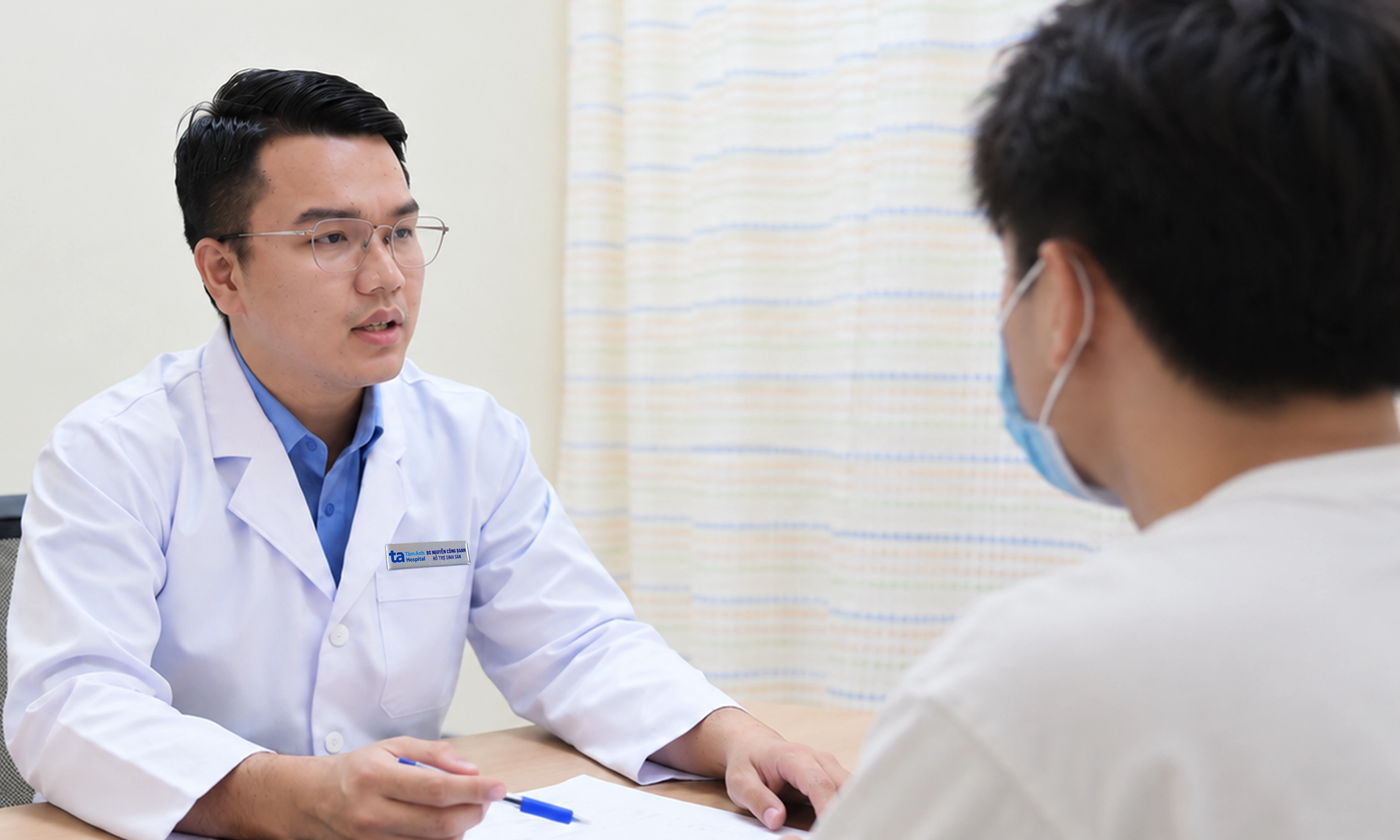
Doctor Nguyen Van Cong, Specialist Level I, from the Obstetrics and Gynecology Center, noted a complex lesion in the patient's pelvic region, measuring approximately 62x51x62 mm. Lab results showed a high white blood cell count of 37,7 G/L (normal range 4-10 G/L) and an inflammation index (CRP) of 14 mg/dl (normal below 0,5 mg/dl), indicating severe inflammation in the patient's body.
Ms. Thu was admitted and treated with broad-spectrum antibiotics, but her condition did not improve after two days. The infected area risked spreading, raising concerns about sepsis.
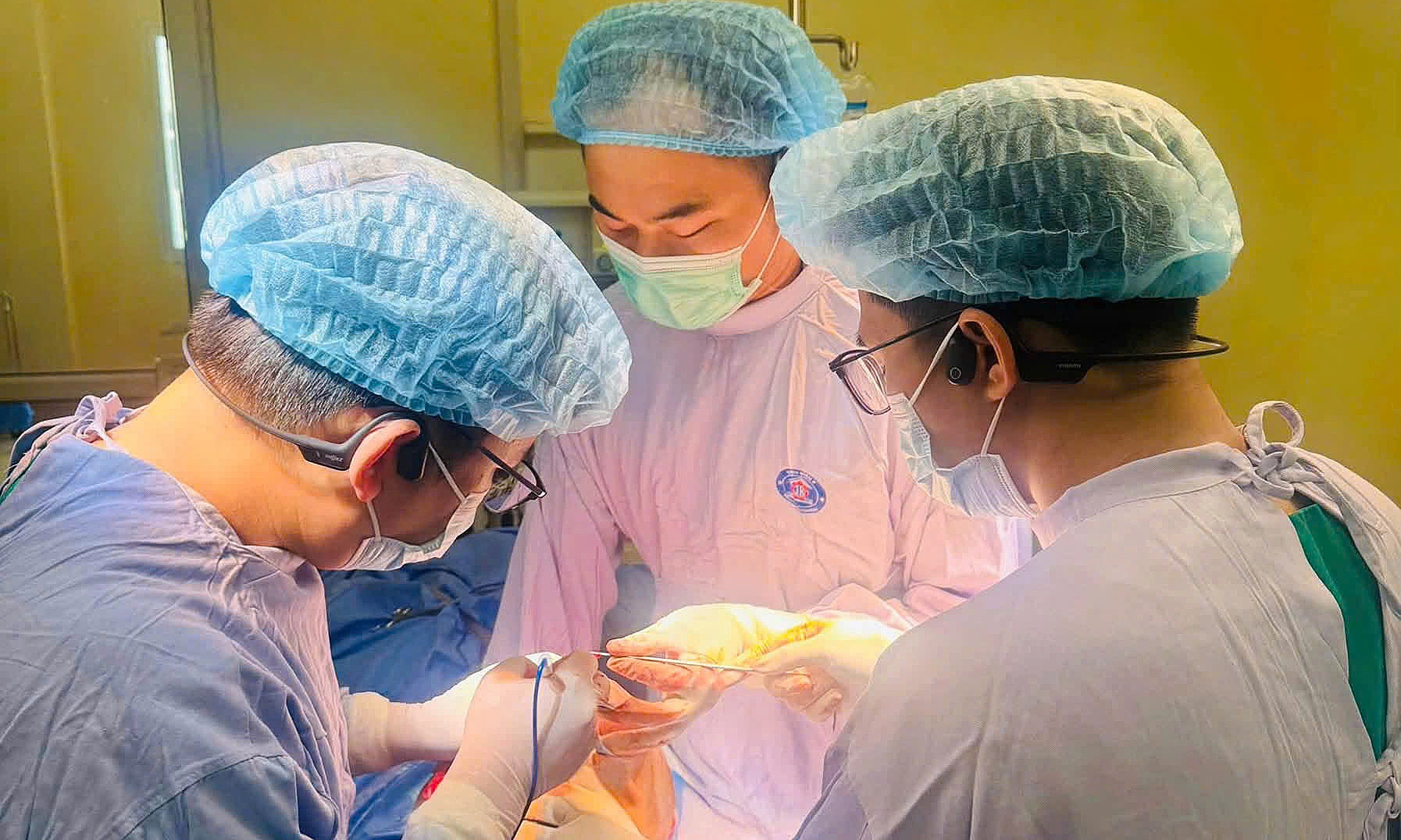
The surgical team performed a laparoscopic procedure, revealing a necrotic left ovary. The sigmoid colon (the final section of the large intestine) was adhered to the left adnexa, covering the uterus. The pelvic region contained significant purulent fluid, and surrounding tissues were inflamed.
Doctor Cong performed surgery to detach the sigmoid colon, free the fallopian tube, and remove the right fallopian tube and the left adnexa (ovary, fallopian tube, and all associated tissues and ligaments). Ms. Thu was conscious, pain-free, and in stable condition, discharged after one week.
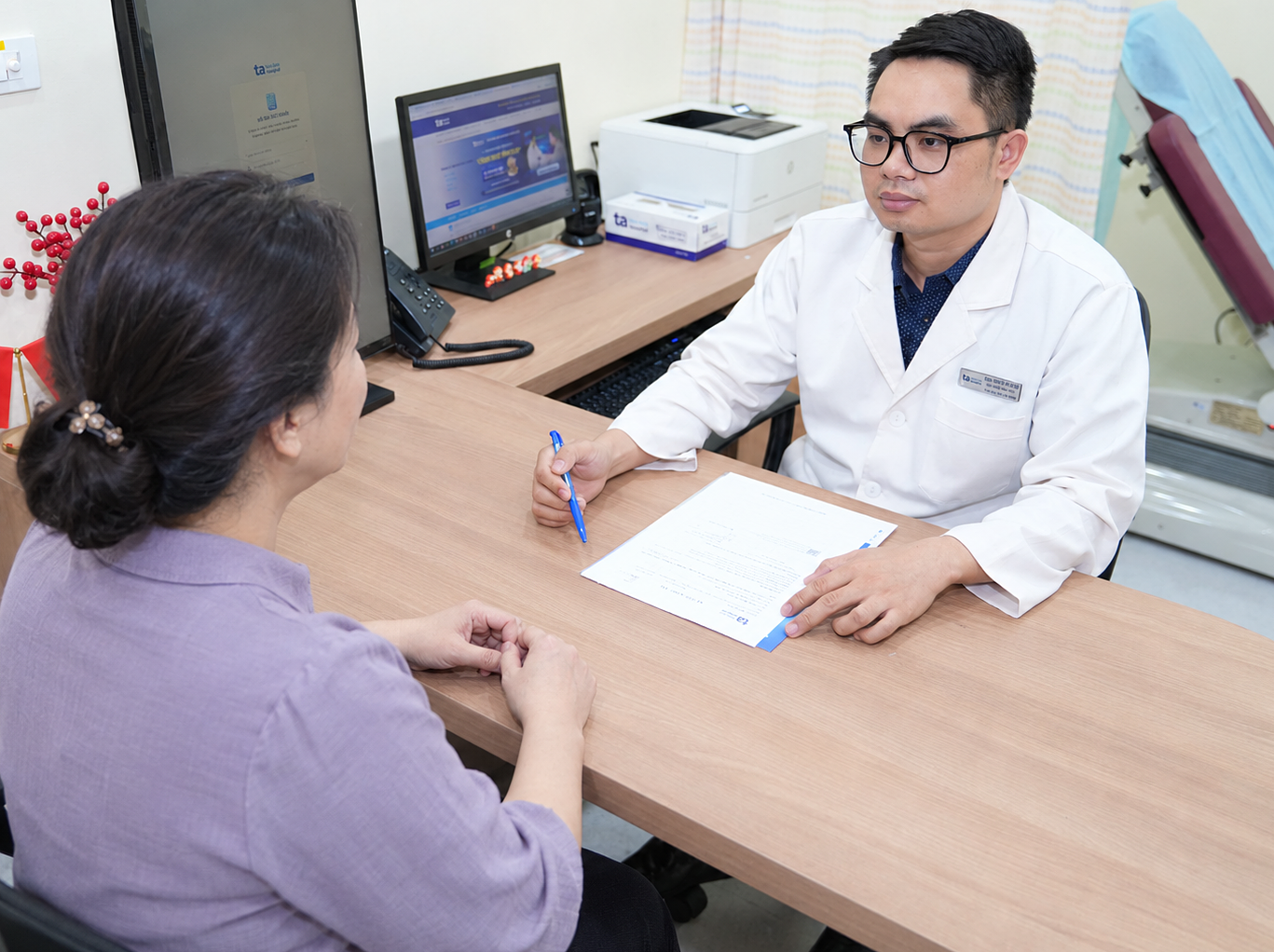 |
Doctor Cong advises Ms. Thu during her follow-up appointment. Photo: Tam Anh General Hospital
Pelvic inflammatory disease (PID) is an infection that spreads from the lower genital tract to the upper reproductive organs, such as the uterus, fallopian tubes, and ovaries. According to Doctor Cong, if detected late, the inflamed area can form an abscess containing pus, causing adhesion of organs within the pelvis. A ruptured abscess can spread pus into the abdominal cavity, leading to peritonitis, severe infection, and life-threatening complications. Prolonged infection can also damage the fallopian tubes, affecting fertility.
The doctor recommends women undergo regular gynecological check-ups, especially those with a history of recurrent infections or sexually transmitted diseases. Patients should seek early medical attention for persistent or worsening lower abdominal pain, fever, unusual vaginal discharge, pain during intercourse, painful urination, or bleeding outside of their menstrual period. Patients should not self-medicate with pain relievers or antibiotics without a doctor's examination, as this can mask symptoms and delay effective treatment.
Van Anh
| Readers can submit questions about obstetrics and gynecology here for doctors to answer |