 |
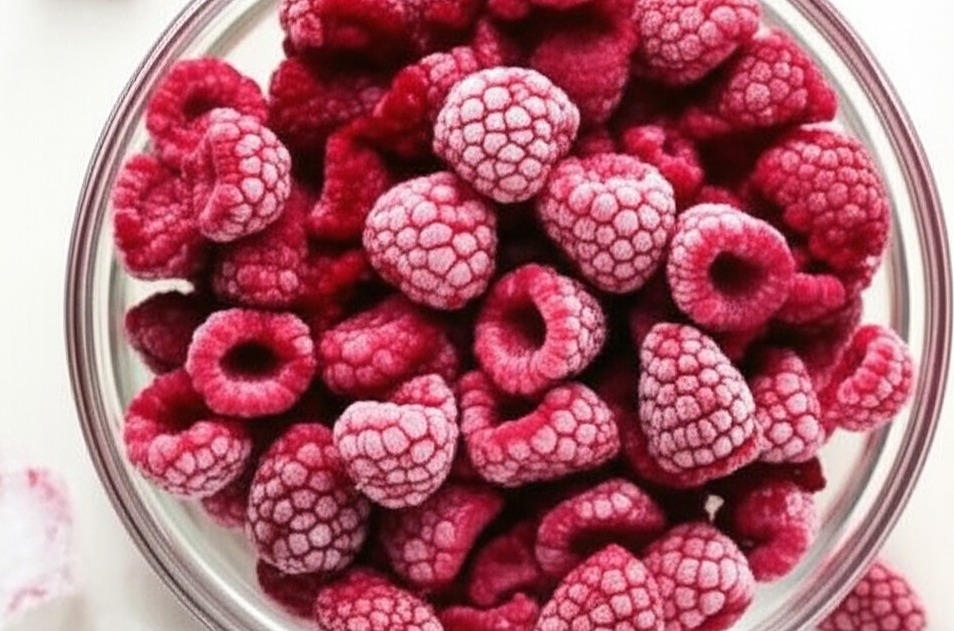
Raspberries
100 grams of raspberries provide over 8 grams of fiber, nearly one-third of an adult's daily fiber requirement. These berries are low in sugar and contain polyphenols, which have antioxidant properties and can support gut microbiome balance. Raspberries can be eaten fresh or added to smoothies, yogurt, or oatmeal.
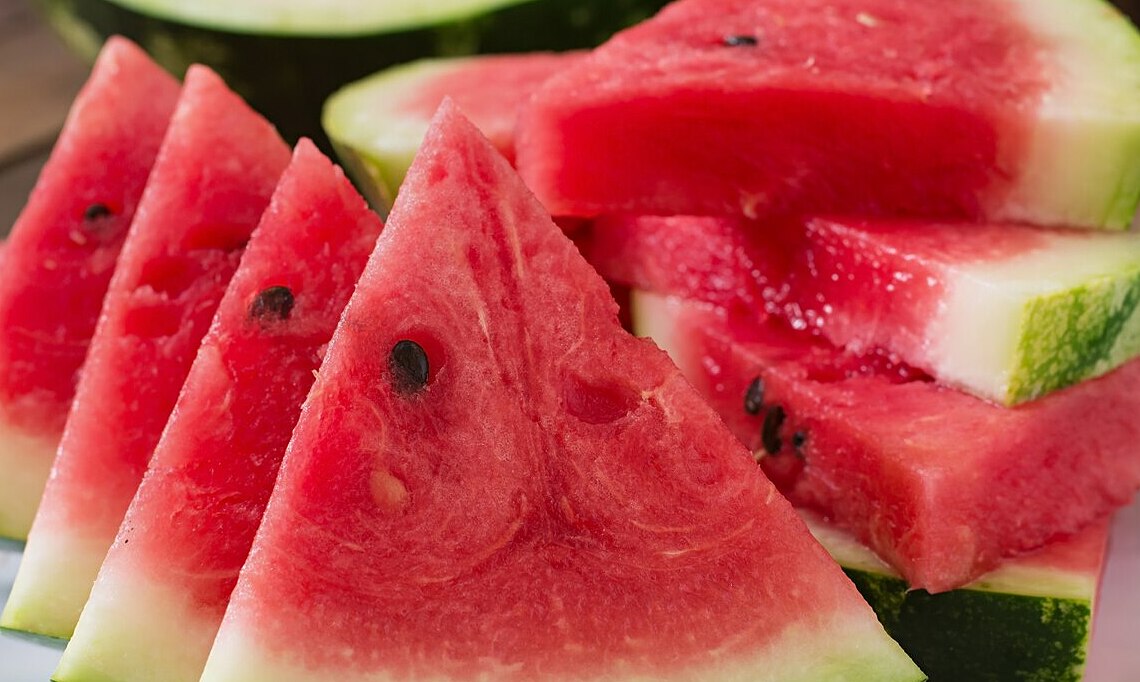 |
Watermelon
Watermelon is 91% water, providing hydration and supporting bowel movements. Adequate hydration helps soften stool, which, combined with fiber, can prevent constipation. Watermelon also contains natural sugars that bacteria utilize, helping maintain a stable gut microbiome.
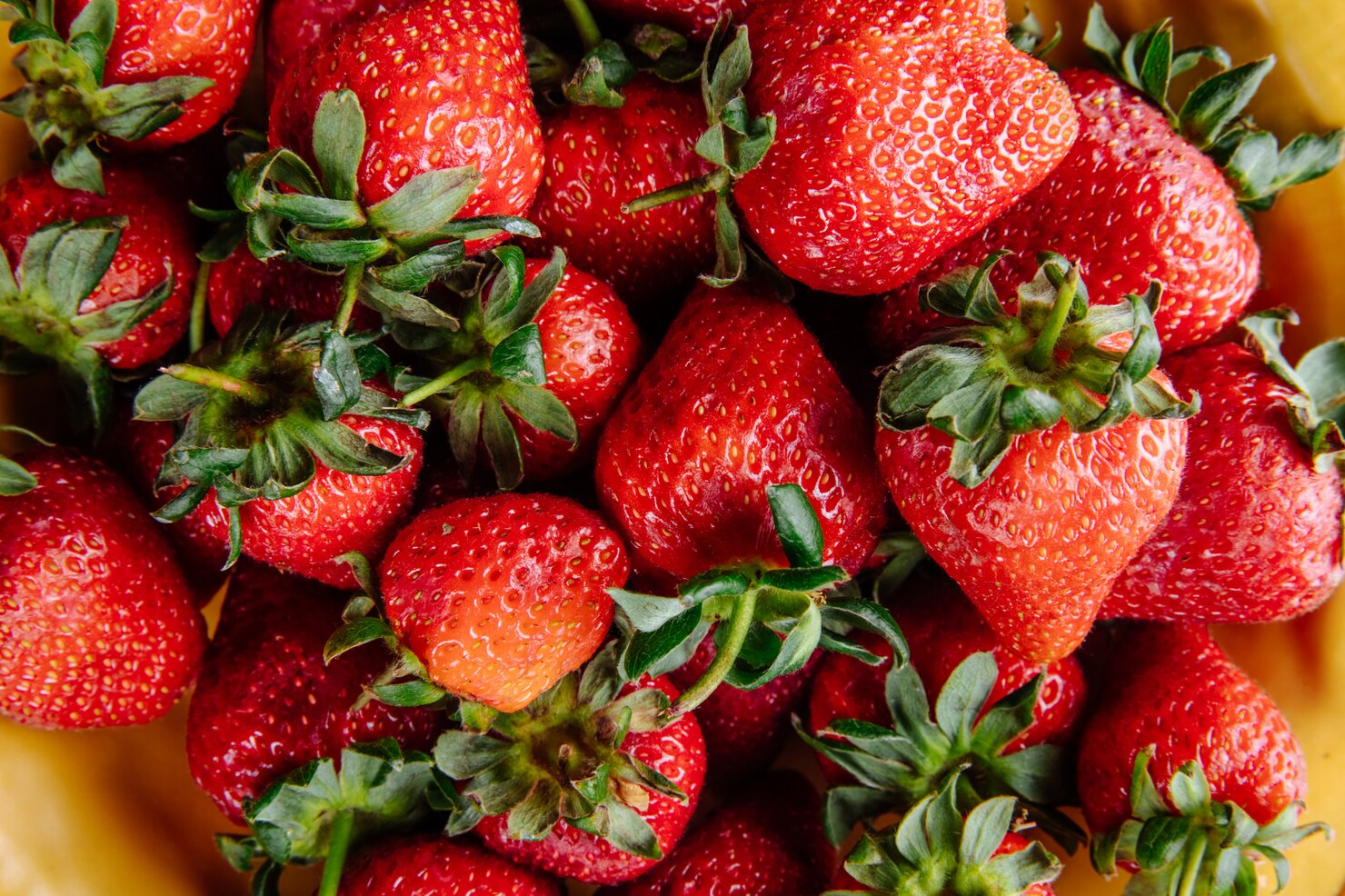 |
Strawberries
Strawberries contain polyphenols, compounds with antioxidant properties that gut bacteria metabolize into other substances beneficial for gut health. 100 grams of strawberries provide about 2 grams of fiber, increasing dietary fiber intake and reducing constipation. Strawberries have a tart taste and can be eaten fresh or combined with yogurt and oatmeal.
 |
Pears
According to WebMD, pears contain pectin, a soluble fiber that increases dietary fiber intake and supports bowel movements. A medium-sized pear provides about 100 calories and 5.5 grams of fiber, preventing constipation. Pears can be eaten fresh, used as a snack, or baked into desserts.
By Anh Chi (Compiled)
Photos: Bao Bao, Anh Chi, AI