 |
Spinach, a green leafy vegetable, is rich in lutein. 100 g of cooked spinach contains approximately 12,640 µg of lutein, a higher amount than many other common foods. Adding spinach to soups, stir-fries, eggs, or salads provides essential vitamins, minerals, and beneficial plant compounds. |
Lutein, a carotenoid, is highly concentrated in the retina, particularly in the macula, which is responsible for central vision. This compound acts as an antioxidant, absorbing blue light and mitigating oxidative stress on eye tissues.
Since the body does not naturally produce lutein, it must be obtained through diet. Incorporating the following foods can help ensure adequate lutein intake.
Egg yolks are a rich source of lutein and zeaxanthin, two carotenoids concentrated in the macula. Their content of these compounds is relatively high compared to many other foods. As lutein is fat-soluble, the natural fats in egg yolks can enhance its absorption. Incorporating boiled or steamed eggs, or preparing them with vegetables, offers a nutritious way to boost lutein intake.
 |
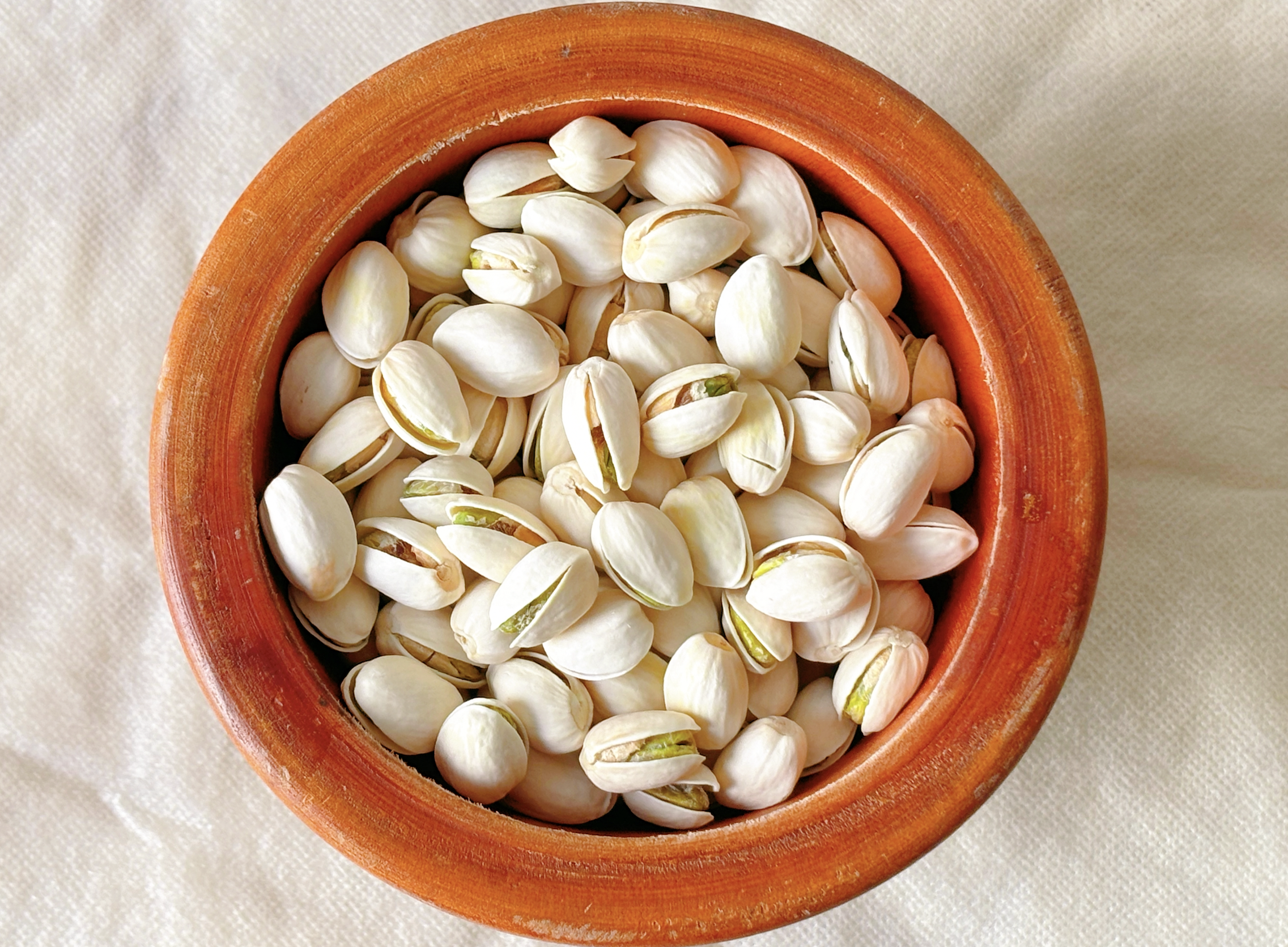
Pistachios contain lutein and make a healthy snack. The vitamin E in these nuts helps reduce oxidative damage to eye cells, while their healthy fats aid in nutrient absorption. |
 |
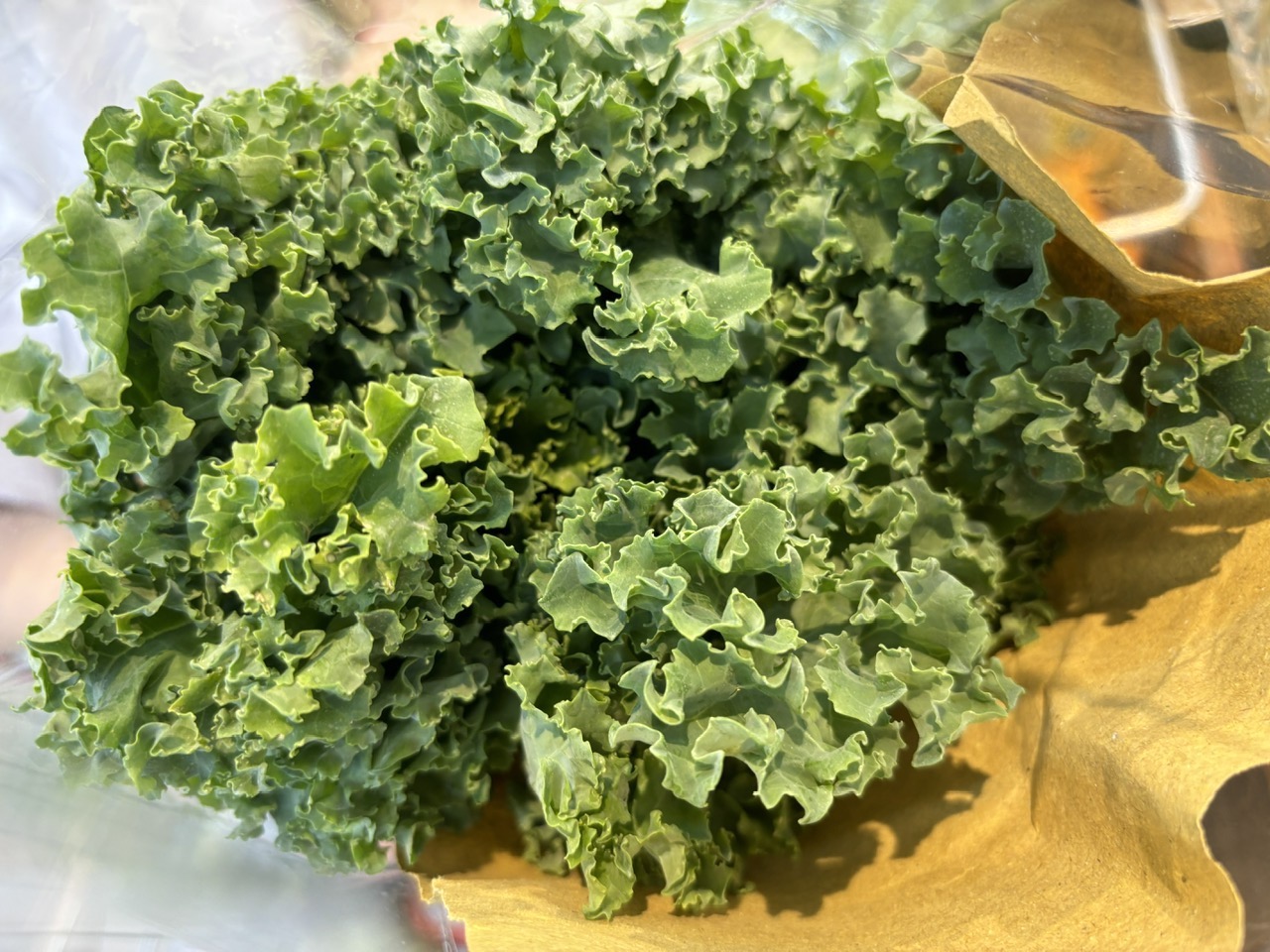
Kale is another rich source of lutein and zeaxanthin, offering numerous other beneficial nutrients such as vitamins A, B, C, and K. It can be incorporated into salads, soups, or stir-fries. For those new to kale's flavor, combining it with other vegetables can be a good alternative to eating it plain. |
 |
Sweet corn, an often-overlooked source, provides an easy way to boost lutein intake. Enjoy it boiled, steamed, or added to salads, soups, and stir-fries. Opt for preparation methods low in sugar, salt, and saturated fat. |
 |
By Bao Bao (Compiled)
Photos: Bao Bao, AI