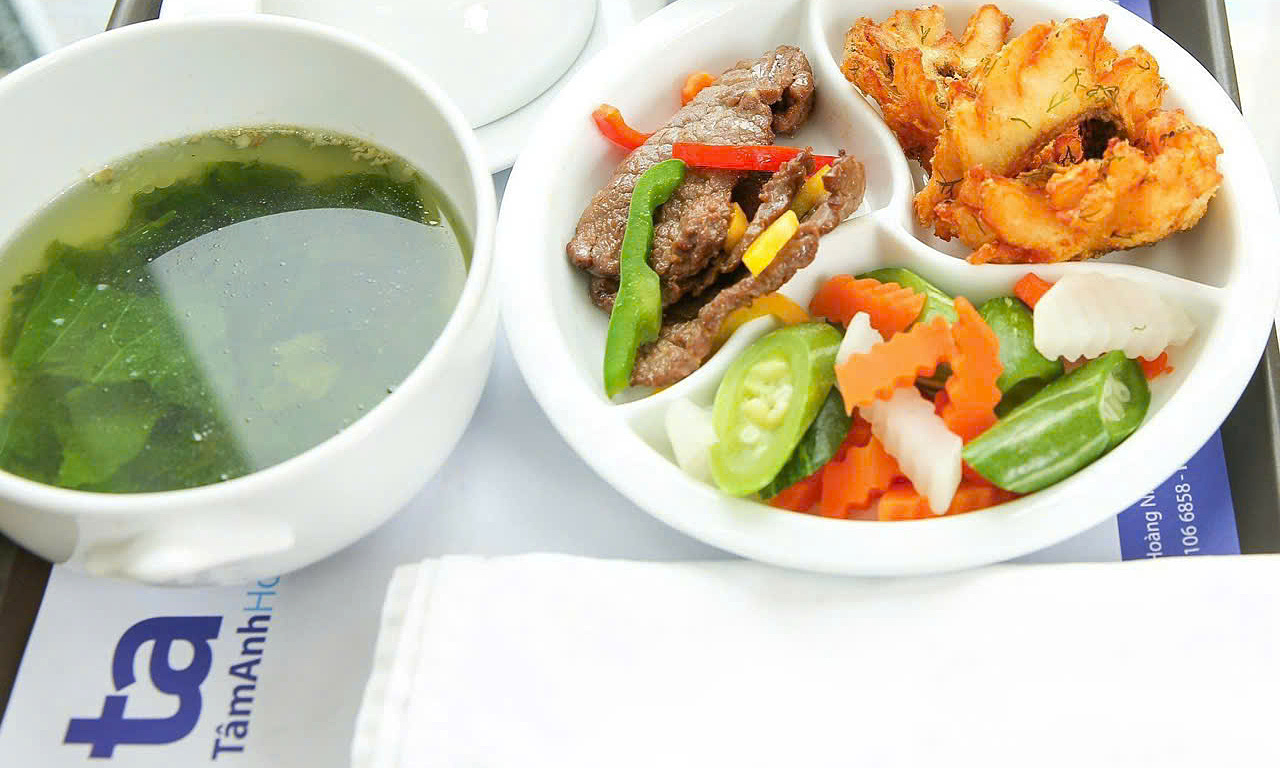
The body requires various nutrient groups for its functions, but no single food can provide all essential nutrients in the right proportions. Therefore, incorporating multiple food groups into your diet is a simple way to achieve a balanced eating plan.
Minimizing the risk of nutrient deficiencies
According to Times of India, each food provides distinct nutrients. Fish is rich in protein, omega-3, vitamins, and minerals. Eggs offer choline and various micronutrients. Legumes are abundant in plant protein and fiber. Vegetables and fruits supply numerous plant compounds.
If your diet revolves around only a few familiar dishes, your body might have enough energy but still lack certain nutrients. For instance, consuming few iron-rich foods can lead to iron deficiency, while a lack of fruits and vegetables results in low dietary fiber.
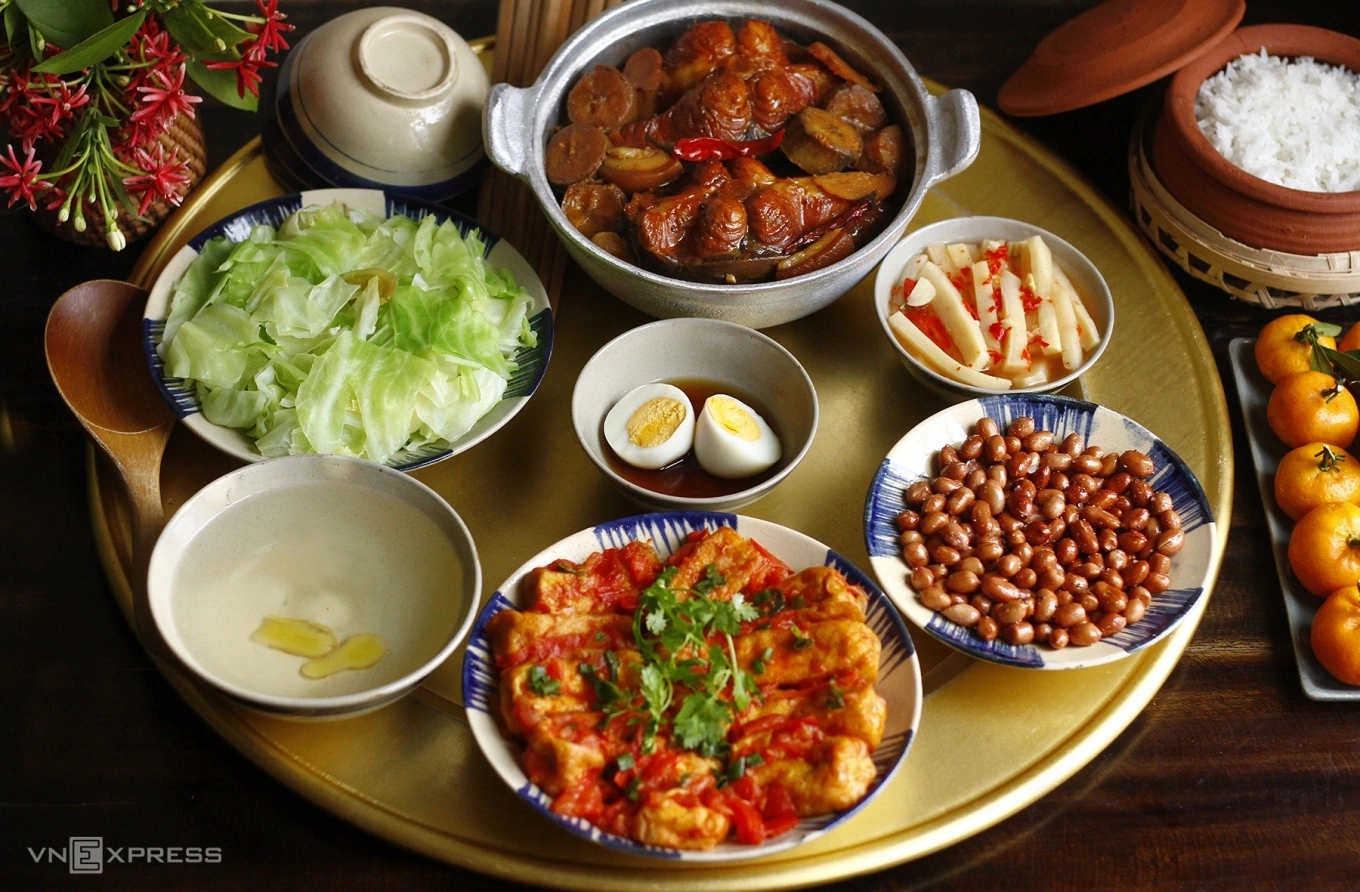 |
A balanced meal provides adequate energy, carbohydrates, protein, fats, vitamins, and minerals. *Illustration: Bui Thuy*.
Promoting balanced meals
A balanced meal includes carbohydrates, protein, vegetables, and an appropriate amount of fats. Carbohydrates provide energy, protein helps build and maintain muscles, fats are essential for many bodily functions, and vegetables supplement fiber, vitamins, and minerals.
Consistently consuming too much of one food group, such as a diet primarily consisting of rice, meat, or fried foods, can easily imbalance meals. Varying ingredients allows individuals to adjust the ratios of different nutrient groups.
Supporting gut microbiota health
According to Eating Well, a diverse diet benefits gut microbiota. Green vegetables, fruits, legumes, nuts, and whole grains provide various types of fiber. A portion of this fiber is not fully digested and becomes a food source for gut bacteria, contributing to a healthy microbiome. Therefore, regularly changing the types of vegetables and fruits in your diet is recommended, rather than sticking to just a few familiar ones.
Easier to maintain a healthy diet
A monotonous menu can easily lead to boredom, making it difficult to sustain long-term. Conversely, eating a diverse range of foods enriches meals with varied flavors, colors, and preparation methods. You can alternate fish, eggs, meat, and tofu, and vary vegetables, fruits, and carbohydrate sources to meet nutritional needs, enhance palatability, and limit unhealthy snacking.
By Le Nguyen (Compiled)
| Readers can submit nutrition questions here for a doctor's response. |