Nosebleeds, also known as epistaxis, occur when blood flows from one or both nostrils. When the weather changes, low humidity can cause the nasal lining to swell, inflame, and become congested, making blood vessels prone to rupture from minor actions like sneezing or blowing the nose.
Alcohol causes peripheral vasodilation, increasing blood flow to the mucous membranes. This strains and expands blood vessel walls, making them vulnerable to damage. Alcoholic beverages can also lead to temporary hypertension and impair the blood clotting process, making capillaries fragile and causing bleeding that is harder to stop. Even minor actions such as sneezing or blowing the nose forcefully can trigger bleeding.
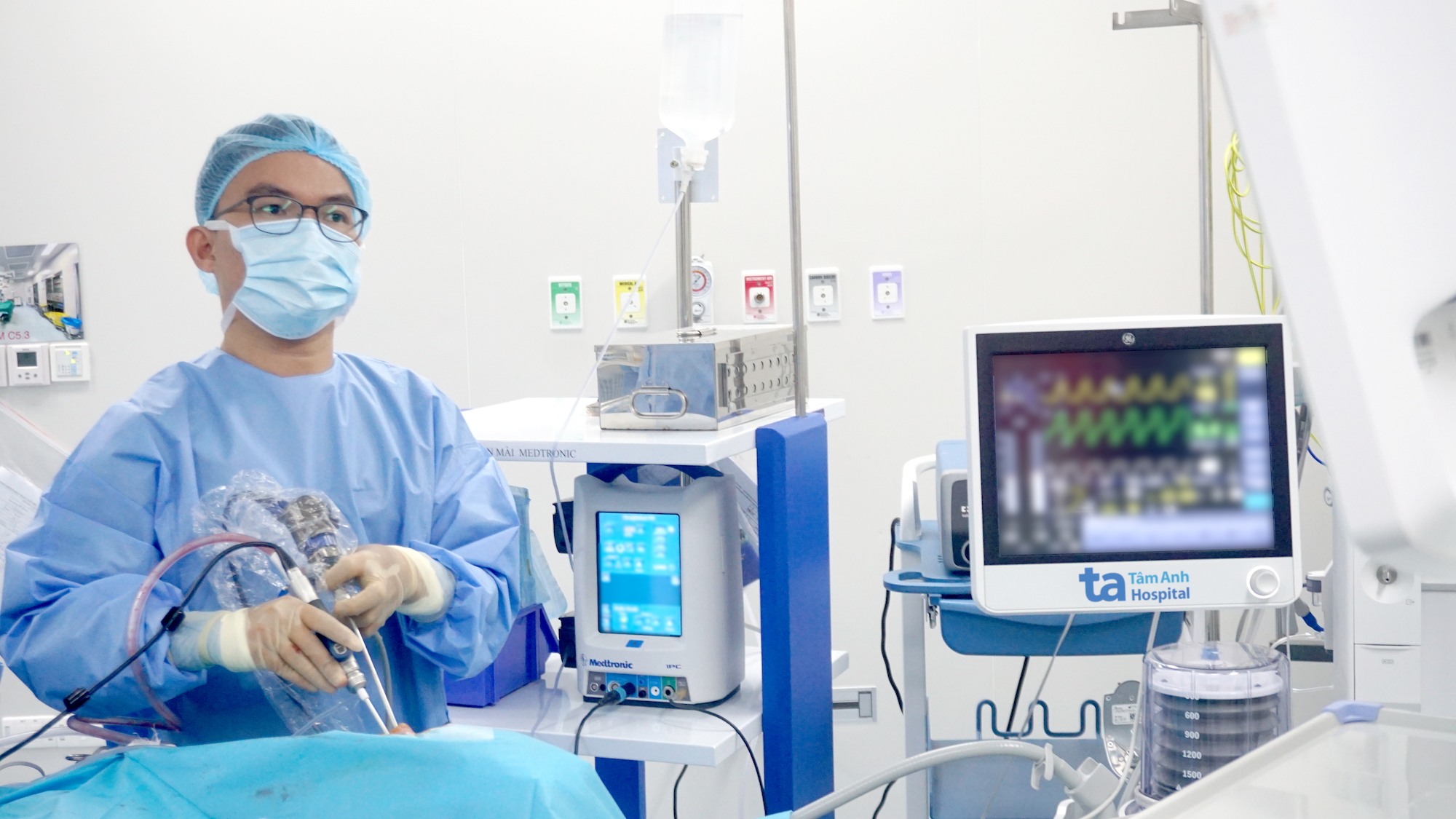 |
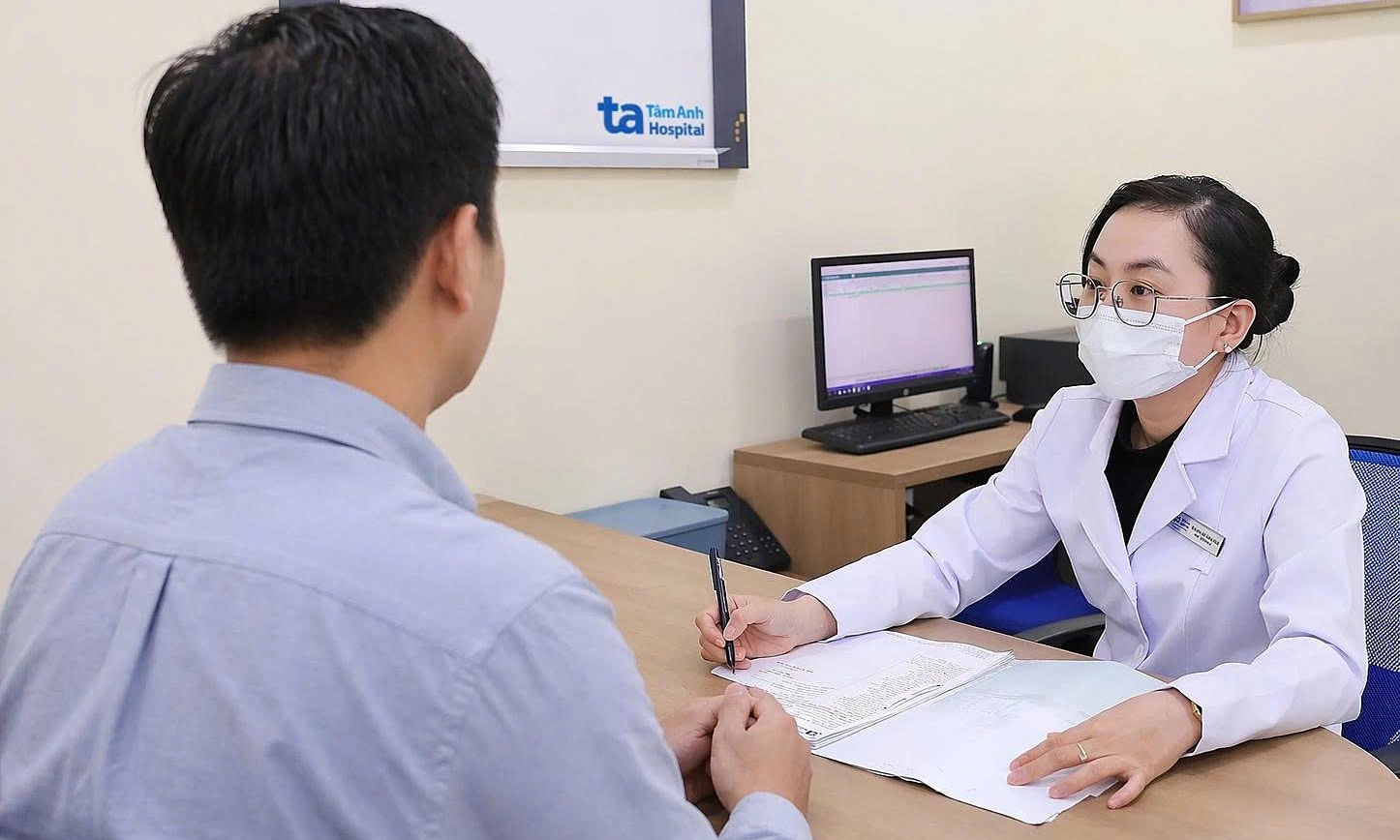
Doctor Nguyen performs endoscopic surgery on a patient. *Photo: Tam Anh General Hospital*
If you experience a nosebleed, sit down and lean slightly forward. Use your fingers to pinch both nostrils directly, at the bleeding site, for 10 to 15 minutes. This can be repeated two or three times if the bleeding persists. Applying ice to the bridge of the nose can help constrict blood vessels and reduce blood flow. If continuous pinching of the nostrils does not stop the bleeding, you should consult an ear, nose, and throat specialist for timely diagnosis and treatment. Do not be complacent, as persistent nosebleeds can be a symptom of nasopharyngeal fibroma or nasopharyngeal cancer.
Individuals with a history of nosebleeds, like yourself, should focus on keeping their nasal mucous membranes moist by drinking enough water and rinsing their nose with physiological saline. Limit alcohol and stimulants, reduce exposure to smoke and dust, and wear a mask when outdoors. Avoid picking your nose, blowing it forcefully, or rubbing it excessively, while also effectively managing any rhinosinusitis.
Master, Doctor, First-Degree Specialist Nguyen Trung Nguyen
Ear, Nose, and Throat Center
Tam Anh General Hospital TP HCM
| Readers can submit questions about ear, nose, and throat conditions here for doctors to answer. |