Intestinal inflammation, characterized by chronic diarrhea, abdominal pain, bloating, and nausea, can significantly impact quality of life. In severe cases, it may lead to bloody stools or fever.
Prolonged stress is a significant factor that can exacerbate symptoms or trigger flare-ups of chronic intestinal inflammation. This occurs through the intricate gut-brain axis, a bidirectional communication pathway involving the vagus nerve. Under stress, alterations in neural activity and hormone levels can disrupt gut motility, leading to abdominal pain, diarrhea, and intensifying inflammatory responses within the intestines.
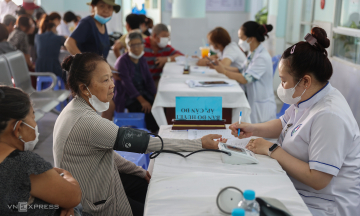
Gut infections, whether bacterial or viral, can worsen existing symptoms of intestinal inflammation. Additionally, antibiotics, often prescribed for bacterial infections, can disrupt the delicate balance of the gut microbiota, potentially leading to digestive disturbances or chronic diarrhea.
 |
Some medications can affect the gut microbiota. Photo: Anh Chi |
Diet plays a crucial role in managing intestinal inflammation. According to Very Well Health, certain foods can trigger abdominal discomfort, particularly for individuals with a history of intestinal inflammation, Crohn’s disease, or irritable bowel syndrome (IBS). However, the specific impact of each food varies from person to person.
Specific dietary triggers that can exacerbate symptoms for some include: alcohol, caffeinated beverages (such as coffee, tea, and energy drinks), and high-fat foods. Additionally, certain vegetables like broccoli, cabbage, and asparagus, along with nuts, may cause bloating and abdominal discomfort, depending on individual tolerance. Patients are advised to carefully monitor their body’s reactions to different foods to adjust their diet accordingly.
Smoking poses a significant risk for individuals with intestinal inflammation, potentially leading to more severe disease progression, particularly in those with Crohn’s disease. Toxins present in cigarette smoke can disrupt the composition and balance of the gut microbiota, compromise the immune system, and weaken the protective barrier of the intestinal lining. When this barrier is damaged, bacteria and foreign substances can come into contact with the immune system, activating inflammatory responses and contributing to disease worsening.
Vitamin D deficiency is another factor linked to recurrent intestinal inflammation. According to WebMD, vitamin D is essential for maintaining the integrity of intestinal epithelial cell connections, strengthening the mucosal barrier, and regulating immune activity. A deficiency in vitamin D can weaken this protective barrier, increasing gut permeability and allowing bacterial components to interact with the immune system. Furthermore, vitamin D deficiency is associated with alterations in the gut microbiota and heightened inflammatory responses.
By Anh Chi (Compiled)
| Readers can ask questions about digestive diseases here for doctors to answer |