Fried and high-fat foods
According to Very Well Health, fried chicken, french fries, donuts, and other greasy foods can take a long time for the stomach to digest. Fat slows down gastric emptying, causing food to remain in the stomach longer and creating a heavy feeling during physical activity. If performing high-intensity exercises, running, or continuous movements, individuals may experience nausea, bloating, or abdominal discomfort.
High-fiber foods
Fiber benefits the digestive system, regulating bowel movements and supporting blood sugar control. However, consuming a large amount of fiber immediately before exercising can cause bloating and abdominal distension in some individuals, especially during running and high-intensity workouts.
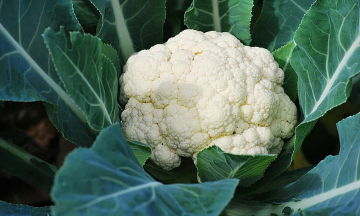
Fiber-rich foods such as beans, raw vegetables, broccoli, cabbage, and whole grains can cause bloating if eaten excessively right before a workout. It is advisable to consume these foods a few hours before your exercise session. If a snack is needed, opt for bread or ripe bananas.
 |
Individuals should limit sugary drinks before exercising. Photo: Van Anh |
Spicy foods
Chili, satay, and heavily spiced dishes can easily cause heartburn, reflux, or stomach pain in sensitive individuals. These symptoms become more uncomfortable during exercises like crunches, running, jumping, or intense physical activity. Those who frequently experience acid reflux or heartburn should limit spicy foods in meals close to their workout time. Prioritize steamed or boiled dishes to reduce the risk of discomfort.
Sugary foods and drinks
Candies, sugary soft drinks, and sweet desserts provide quick energy but are not suitable choices for all workouts. When a large amount of added sugar is consumed in a short period, blood sugar can spike quickly then drop in some individuals, causing fatigue, hand tremors, or a lack of energy during physical activity, according to Hindustan Times.
Alcoholic beverages
Alcoholic beverages are not suitable before exercising as they can impair motor coordination, reflexes, and judgment. Alcohol also increases the risk of dehydration, especially when combined with physical activity in a hot environment. This makes it difficult for the body to regulate its temperature, increasing the risk of injury.
Consuming alcohol before a workout can also affect endurance, exercise performance, and post-workout recovery. It is recommended to replace alcoholic drinks with water and ensure adequate hydration based on the duration and intensity of your activity.
Individuals should choose foods that provide energy without causing a heavy stomach. Bananas, bread, oats, or yogurt are sensible choices. It is best to eat a main meal approximately 2-4 hours before exercising to allow the body time to digest. For a light snack, individuals can eat about 30-60 minutes before their workout, depending on the food quantity and digestive capacity.
Le Nguyen (compiled)
| Readers can send nutrition questions here for a doctor's advice. |