Doctor Doan Minh Thanh, from the Dermatology Department at Tam Anh General Hospital Hanoi, explains that while skin produces more sweat and oil in summer, this doesn't guarantee adequate hydration. Skipping moisturizer out of concern for oily skin can inadvertently expose skin to further issues.
Preventing skin dehydration
The skin's outermost layer, known as the skin barrier, is crucial for retaining moisture and shielding against environmental damage. During summer, factors like high temperatures, sun exposure, UV radiation, air conditioning, pollution, and over-cleansing can accelerate moisture loss from the skin.
When skin becomes dehydrated, the body compensates by increasing sebum production. This often leads individuals to mistakenly believe their skin is excessively oily, when it is actually lacking moisture. Dehydration compromises the protective skin barrier, heightening the risk of irritation, inflammation, and accelerating premature aging. Persistent dehydration also contributes to fine lines, dullness, and diminished elasticity. Consistent moisturizing helps to rehydrate the skin, preventing both dehydration and early signs of aging.
 |
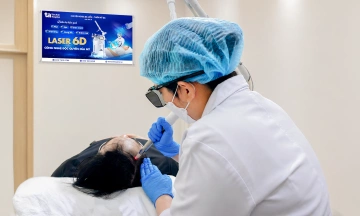
Doctor Thanh examining and advising a woman on summer skincare. Illustration: Tam Anh General Hospital.
Controlling oil and reducing acne
Oily or acne-prone skin requires proper moisturizing because dryness or dehydration triggers sebaceous glands to overproduce oil to compensate for lost moisture. This excess oil, combined with dead skin cells and dirt, can clog pores, leading to acne breakouts.
Adequately hydrated skin tends to regulate oil production more effectively, reducing shine and the risk of breakouts, and fostering healthier skin. This is particularly important for individuals using acne treatments with retinoids, benzoyl peroxide, or salicylic acid, which often cause dryness and flaking. Appropriate moisturizing helps mitigate these side effects and supports skin recovery.
Moisturizers that do not clog skin
Many people's primary concern with summer moisturizers is the greasy feeling and clogged pores. Doctor Thanh emphasizes the importance of selecting products appropriate for individual skin types and climate conditions.
Individuals with oily or combination skin should opt for lightweight gel, gel-cream, or lotion formulas containing hydrating ingredients such as: hyaluronic acid, glycerin, panthenol, or ceramide. For dry, sensitive skin or those frequently in air-conditioned settings, richer moisturizers may be necessary to prevent transepidermal water loss.
Enhancing UV protection
Summer exposes skin to high-intensity UV radiation. Sunlight not only elevates the risk of hyperpigmentation and sunburn but also accelerates skin aging. Adequately hydrated skin possesses a stronger protective barrier, better equipped to counteract environmental damage. Conversely, dry and dehydrated skin is more susceptible to UV-induced harm, resulting in redness, irritation, or post-inflammatory hyperpigmentation.
Doctor Thanh stresses that moisturizing is not a substitute for sunscreen. Effective summer skin protection requires combining both steps in a daily routine. Apply moisturizer immediately after cleansing or showering, while skin is still slightly damp, to maximize moisture retention. Furthermore, maintaining internal hydration involves drinking enough water, getting adequate sleep, and increasing intake of fresh vegetables and fruits.
Individuals who frequently work in air-conditioned environments, experience prolonged sun exposure, or engage in outdoor activities require thorough moisturizing to protect their skin barrier.
Thanh Ba