


Garlic contains many beneficial compounds, with allicin being the most prominent. However, allicin is unstable and only exists for a short time in fresh garlic after it is cut or crushed. In addition to allicin, other compounds such as diallyl disulfide and S-allyl cysteine also contribute to garlic's beneficial health effects.
Nutritious and low in calories
One garlic clove (about 3 g) contains 4,5 calories, 0,2 g of protein, and 1 g of carbohydrates. Garlic also provides important nutrients: manganese, vitamin B6, vitamin C, selenium, and fiber.
Aged garlic extract (AGE) helps strengthen the immune system, reducing symptom severity and shortening the duration of colds and flu. Beyond immune modulation, some studies indicate AGE can inhibit virus entry or replication in host cells.
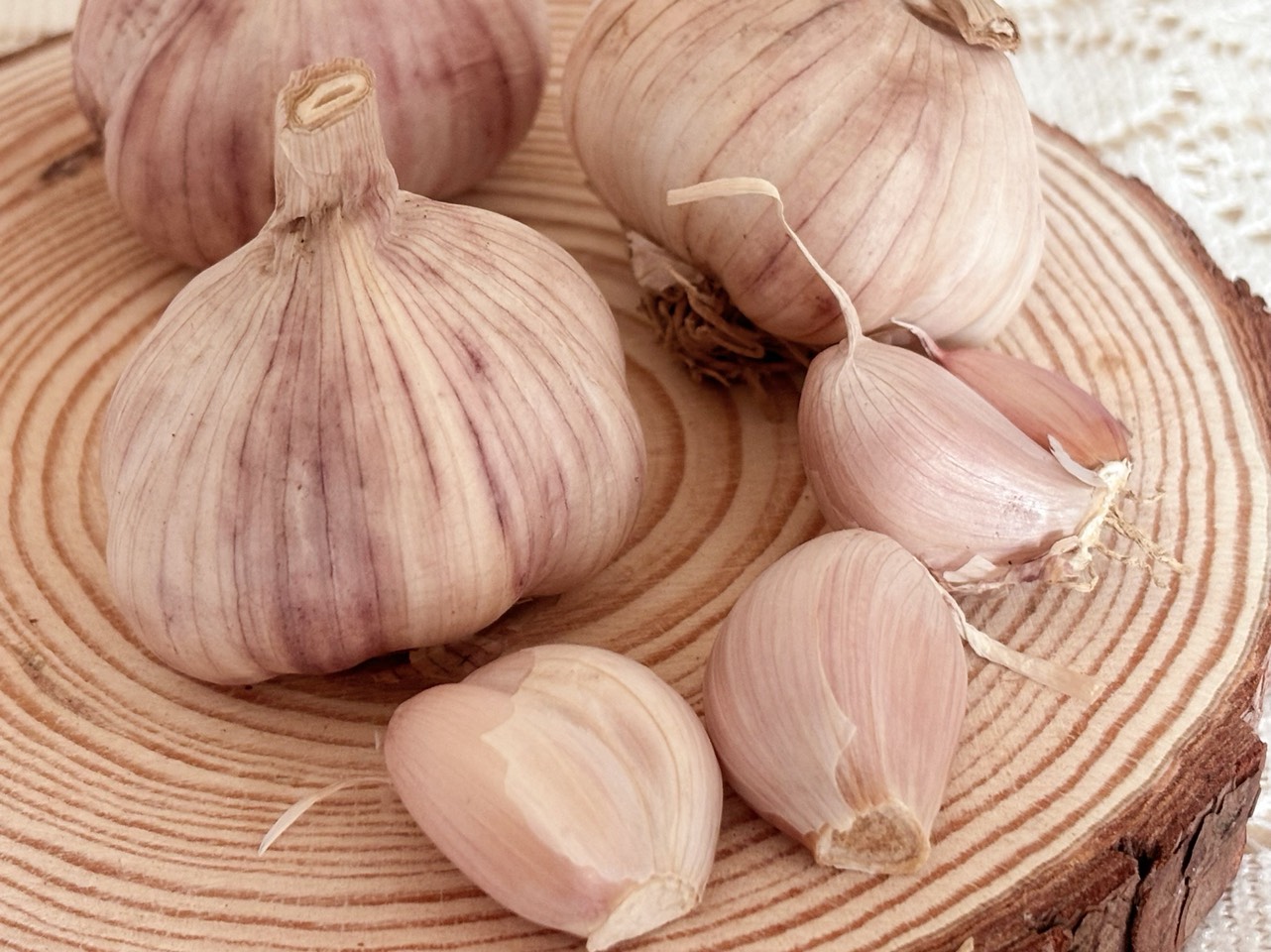 |
Garlic is rich in sulfur compounds, selenium, and vitamins, offering many health benefits. Photo: Bao Bao
Lowers blood pressure
According to the World Health Organization (WHO), cardiovascular diseases such as heart attacks and strokes are leading causes of death globally. High blood pressure is a significant factor contributing to these conditions.
Allicin in garlic helps limit the production of angiotensin II, a hormone that raises blood pressure. This compound also supports vasodilation, promoting better blood flow.
Improves cholesterol levels
Consuming garlic also reduces total and low-density lipoprotein (LDL), or "bad," cholesterol. However, garlic does not appear to have a similar effect on triglyceride levels, another risk factor for cardiovascular disease. Eating garlic also does not impact high-density lipoprotein (HDL), or "good," cholesterol levels.
Prevents Alzheimer's and dementia
Oxidative damage from free radicals contributes to aging and related cognitive decline. Garlic contains antioxidants that support the body's protective mechanisms against oxidative damage. These antioxidants significantly reduce oxidative stress and lower the risk of associated diseases like Alzheimer's disease.
Enhances athletic performance
Garlic is a food that can help boost athletic performance. Its compounds reduce exercise-related oxidative stress and muscle damage.
Reduces heavy metal damage in the body
The sulfur compounds in garlic work against organ damage from heavy metal toxicity. Allicin in garlic can help lower lead concentrations in the blood and vital organs.
Easy to add to your diet
Garlic is easy to incorporate into daily diets, enhancing the flavor of many dishes. Its strong taste makes simple meals more appealing. Garlic is available in many forms, from fresh cloves, minced garlic, and garlic powder to supplements like extracts or garlic oil.
Potential side effects
Garlic also has some drawbacks, such as causing a strong odor after consumption and potentially triggering allergies in some individuals. Garlic can affect blood clotting. Those with bleeding disorders or who are taking anticoagulant medications should consult a doctor before consuming garlic.
Bao Bao (According to Healthline)


