Ms. Suong suddenly experienced palpitations, her heart "pounding out of her chest," accompanied by shortness of breath and sweating for 30 minutes, leading to an emergency visit to Tam Anh General Hospital, Ho Chi Minh City. Three months prior, she had experienced similar symptoms that resolved on their own.
Doctor Dao Duc Cuong, from the emergency department, recorded Ms. Suong's heart rate at 200 beats per minute (bpm), significantly higher than the normal range of 60-80 bpm. An electrocardiogram (ECG) confirmed the patient had paroxysmal supraventricular tachycardia (SVT), a type of arrhythmia caused by abnormal electrical impulses forming a continuous conduction loop in the heart. This condition causes the heart rate to suddenly increase to 140-250 bpm, or even higher. When the heart beats too rapidly, it cannot pump blood effectively, which can lead to low blood pressure, chest pain, fainting, and heart failure.
 |
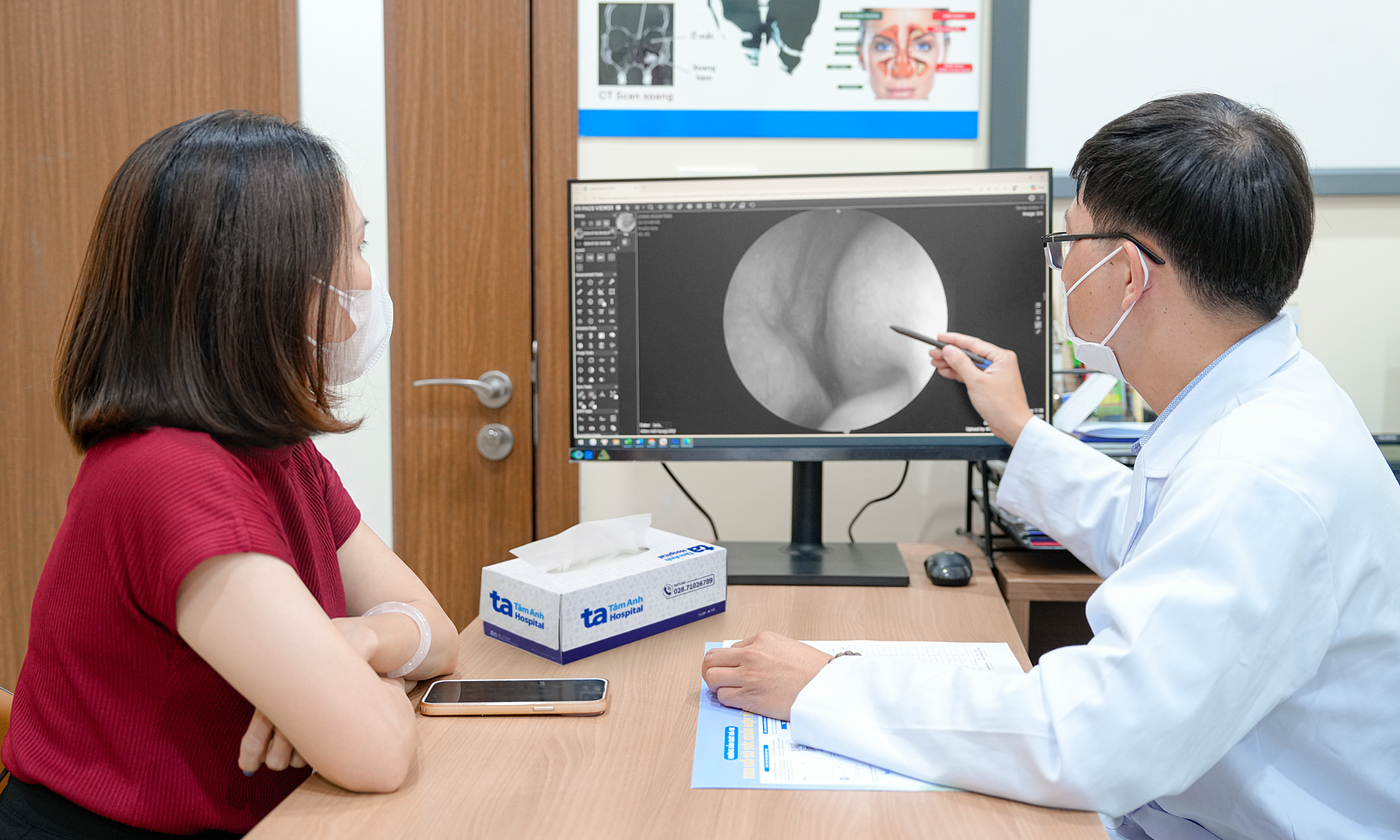
Doctor Cuong examining Ms. Suong after her heart rate was stabilized. Photo: Tam Anh General Hospital |
The patient underwent continuous monitoring, with a defibrillator kept bedside, ready for intervention if her heart rate continued to increase. Simultaneously, doctors administered antiarrhythmic drugs to quickly terminate the paroxysmal supraventricular tachycardia, temporarily interrupting the abnormal electrical conduction pathway in the heart to restore a normal heart rate.
After 15 minutes, the patient's heart rate gradually decreased from 200 to about 70 bpm, and her palpitations and shortness of breath improved. The patient was discharged the same day, and a follow-up visit after 7 days showed no recurrence of the rapid heart rate.
Doctor Cuong noted that antiarrhythmic drugs are prescription medications, requiring doctors to administer them with extreme caution. These drugs can cause low blood pressure, chest pain, temporary shortness of breath, and dangerous arrhythmias in some cases. Before prescribing medication, doctors must thoroughly evaluate the patient's electrocardiogram, type of arrhythmia, hemodynamics, and cardiovascular condition.
Paroxysmal supraventricular tachycardia can occur at any age, even in individuals with no prior history of cardiovascular disease. In many cases, episodes occur repeatedly, but patients attribute them to stress, insomnia, or fatigue.
The cause of this condition can be related to congenital abnormalities in the heart's electrical conduction system or may appear in individuals with underlying cardiovascular disease. Thyroid disease, diabetes, and side effects of certain medications for asthma or allergies can also increase the risk of paroxysmal supraventricular tachycardia.
Doctors advise individuals experiencing prolonged palpitations, abnormally rapid heartbeats, shortness of breath, sweating, dizziness, or fainting to seek early medical attention. Regular health check-ups and cardiovascular screenings help detect arrhythmias early, reducing the risk of complications.
By Nhu Ngoc
*Patient's name has been changed
| Readers can submit questions about cardiovascular disease here for doctors to answer |