To fund a lavish lifestyle that included a BMW, two Land Rovers, and three homes, Irizarry embezzled millions of USD in government funds and engaged in money laundering with Colombian drug cartels, who were supposed to be his sworn enemies.
This case of a former "rising star" within the DEA, who served for years as a double agent for drug lords, brought immense shame upon the agency. In 2022, Jose Irizarry was sentenced to 12 years in prison after being convicted on 19 counts of corruption, including money laundering and bank fraud.
In his final hours of freedom before beginning his sentence, the former agent agreed to a special interview to discuss the DEA—a powerful US agency with 92 international offices, approximately 4,600 agents, and a budget exceeding 3 billion USD.
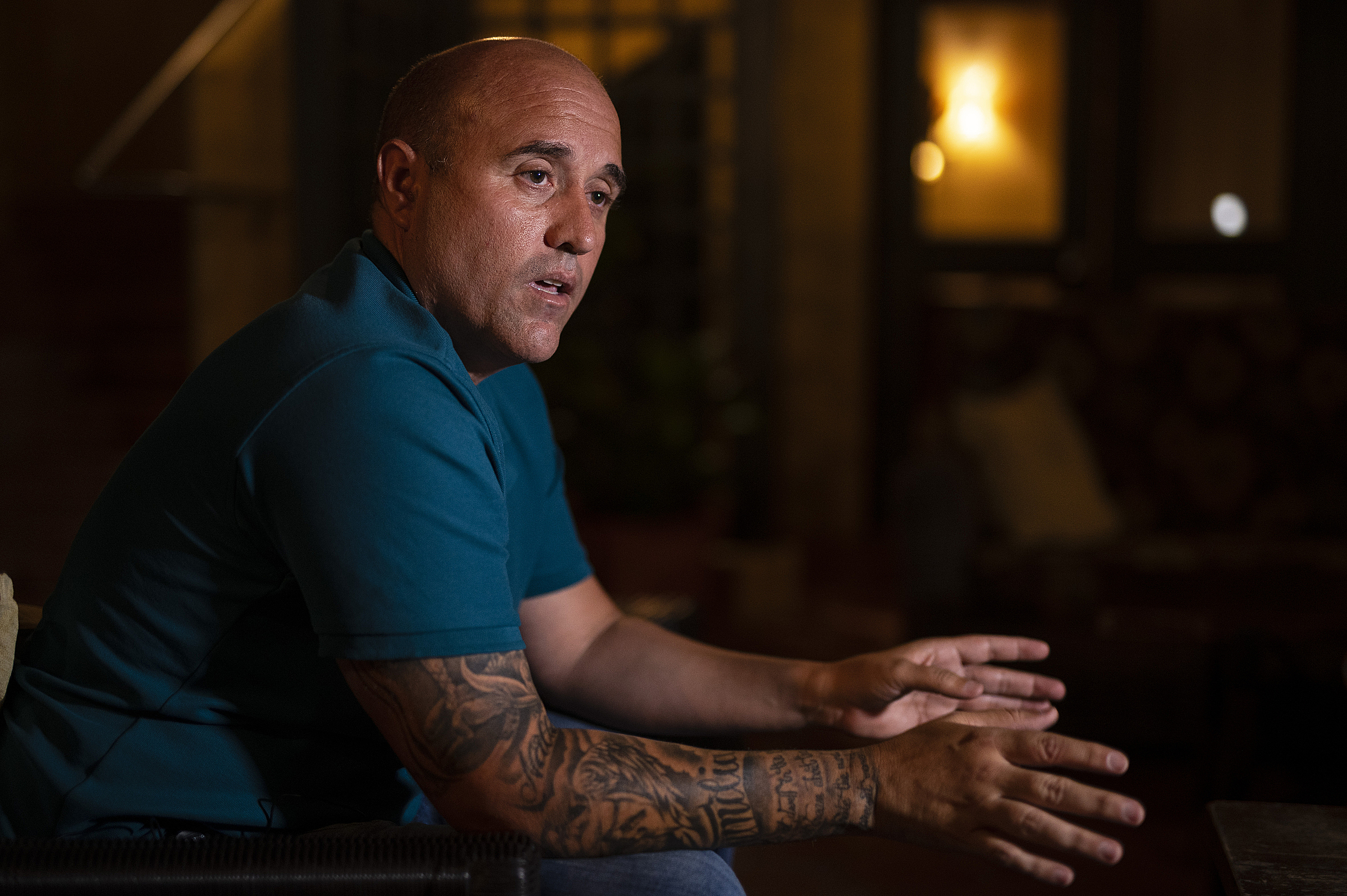 |
Jose Irizarry. Photo: Fortune
Only those on the inside truly understand
Born in Puerto Rico, Irizarry spoke fluently, switching smoothly between English and Spanish. He began his career as an aviation security officer and a US border patrol agent. He was recruited as a DEA agent in 2009, despite a background that included bankruptcy with nearly half a million USD in debt and failing a polygraph test.
He stated he learned professional tricks from veteran police officers who worked in New York City during the 1990s when cocaine flooded American streets.
Another significant part of his education came from Diego Marin, a long-time US informant known as Colombia's "smuggling kingpin." Diego taught Irizarry more about the sophisticated tactics of the global drug trade than any agent could.
Having spent years in the DEA, Jose Irizarry knew that after drug cartel crackdowns, the DEA seized hundreds of millions of USD and tons of cocaine. However, a significant portion of the confiscated money was never recorded in any official ledgers.
A 2020 report by the Department of Justice's Inspector General criticized the DEA for failing to submit annual reports to Congress on these seizures.
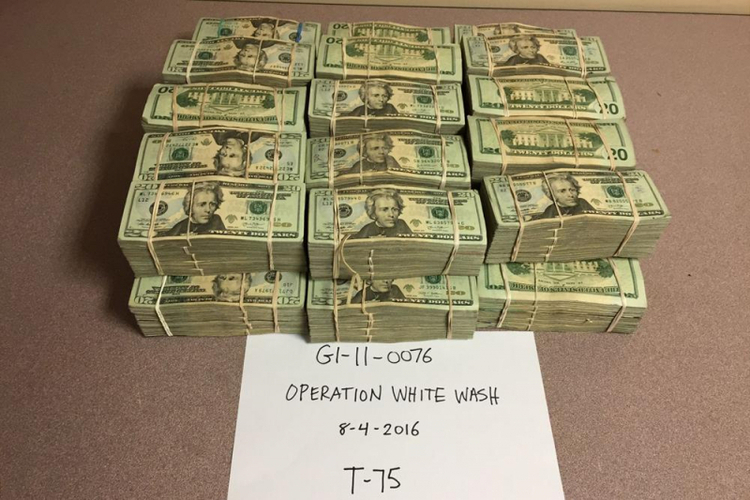 |
Seized evidence money by the DEA in drug cases, but allegedly not all of it went into the budget.
Agents knew there was a lack of control, and many might have done what Irizarry did. The difference between Irizarry and others was his blatant actions.
Irizarry allegedly exploited this disarray to embezzle 9 million USD from investigations.
To acquire these funds, Irizarry created false reports and instructed DEA personnel to transfer money designated for undercover operations into international accounts controlled by him and his associates. This money should have been carefully monitored by the DEA as part of secret money laundering investigations.
To conceal his actions, Irizarry reported to the agency that these were funds specifically used to pay confidential sources and cover travel expenses.
DEA agent, mafia mentality
Irizarry's spending habits quickly mirrored those of drug lords, including a 30,000 USD Tiffany diamond ring for his wife, luxury sports cars, and a nearly a million USD home in the resort city of Cartagena, Colombia. He frequently traveled first-class to Europe with Louis Vuitton luggage and wore a gold Hublot watch.
According to Irizarry, up to 90% of his group's official trips were "fictitious," primarily using agency money for parties and sporting events, not for actual work. He also stated that US government funds for these trips were justified in reports as "travel expenses"—a very vague term.
Irizarry recounted that dozens of other federal agents, prosecutors, and even drug lords participated in these excursions across three continents. They chose cities as points for receiving and laundering money, primarily to celebrate or coincide with Real Madrid soccer matches or Rafael Nadal tennis tournaments.
Along the way, they stopped at VIP rooms in Caribbean strip clubs, Amsterdam's red-light district, and on a Colombian yacht with abundant alcohol and more than a dozen prostitutes.
"We were free to do whatever we wanted. We would pick up money from people who met us wherever we wanted. And once there, it was all about drinking and women," Irizarry said.
A prime example was a trip to Madrid, Spain, in 8/2014 to watch the Spanish Super Cup final, which was paid for by the DEA.
"In reality, my fellow undercover agents and I only spent time dining at expensive restaurants and buying field-side seats to watch the final match between Real Madrid and Atletico Madrid," Jose Irizarry said.
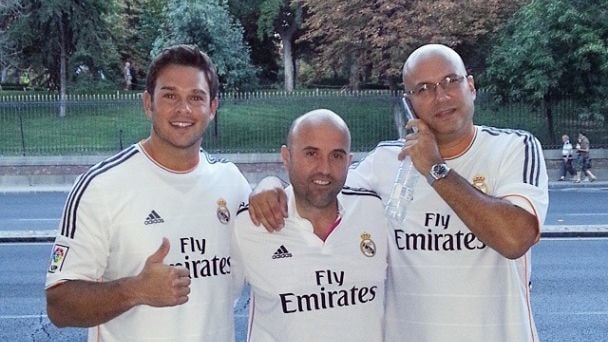 |
Jose Irizarry (center) testified he used agency money for entertainment and to watch soccer in Spain. Photo: Proceso
In the same year, Irizarry and his colleagues had a "real blast" at a strip club in Santo Domingo, Dominican Republic. All expenses were covered by a drug lord, according to Irizarry's testimony. The relationship between the agents and the drug lord was as close as partners.
Irizarry's downfall was sudden and inevitable: the consequence of a lavish lifestyle that aroused too much suspicion. Ultimately, he was betrayed by one of his closest confidants, a Venezuelan-American informant. This individual confessed to the full extent of the embezzlement from secret DEA operations.
Many others involved
"Too many drugs are being moved out of Colombia. And there's too much money. We knew we weren't making a difference," he admitted his crimes but stated he was "not the mastermind."
When Irizarry first revealed his story, colleagues initially dismissed it as fabrication to reduce his sentence. However, after years of considering Irizarry a rogue agent acting alone, US Department of Justice investigators quietly began tracking and questioning all officials named in the debauchery alongside Irizarry.
Since then, a series of names have been exposed, most recently his New York colleague, Joseph Bongiovanni, an agent who for years acted as an "insider" for the Italian mafia in drug trafficking.
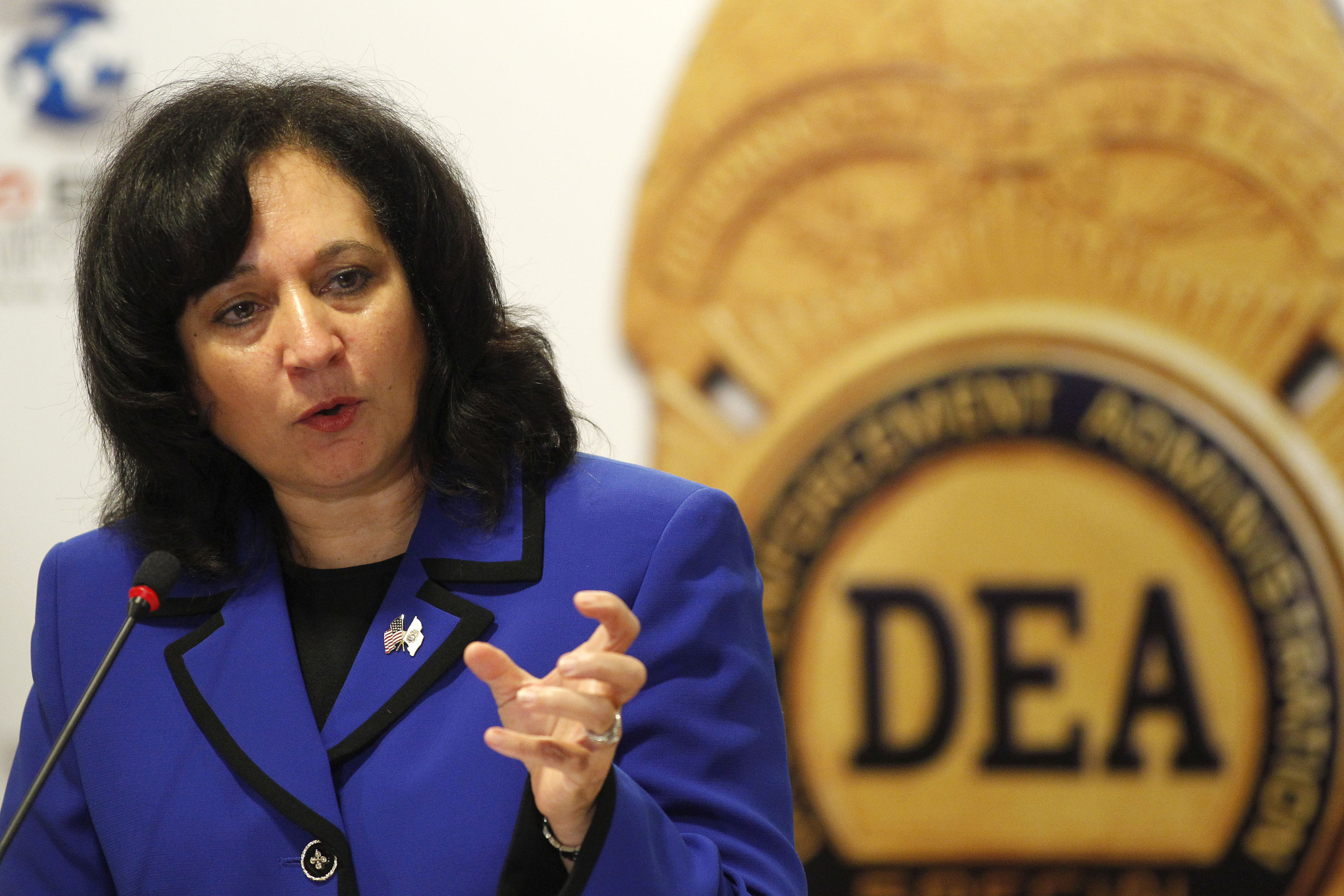 |
The head of the DEA resigned in 2015, following industry scandals. Photo: Connecticut Public radio
Upon sentencing Irizarry, the judge condemned the DEA for its agency-wide failings and suggested that other agents corrupted by the "temptation of easy money" also needed investigation.
"This must stop. Mr. Irizarry was caught red-handed, but the court clearly sees many others," the judge stated.
What made Irizarry's allegations even more serious was that they came shortly after the Inspector General's report, which strongly criticized DEA agents for engaging in "sex parties" with prostitutes paid for by Colombian drug cartels.
This led to the suspension of several agents and the resignation of Michele Leonhart, who was the head of the DEA at the time.
Since his arrest, Irizarry has self-published a book titled "Back on Track," partly in an effort to acknowledge his mistakes and pursue a righteous path.
"I told them everything I know. All they need to do is dig," Irizarry said.
Hai Thu (According to Guardian, York Dispatch, NYT, NBC, LA Times)