Today, Truong Thi Thu Huong, 56, former director of Thai Nguyen Traditional Medicine Hospital, is among 18 former leaders and officials from hospitals and medical facilities currently on trial at the Hanoi People's Court for receiving bribes. The charges relate to drug procurement from several pharmaceutical companies.
The total bribery amount in this case is identified as 71 billion dong, with Huong receiving the third largest sum, over 10 billion dong. This amount represents 18% of the 54 billion dong total value of drugs purchased by her hospital.
During today's court session, the trial panel conducted cross-examinations, analysis, and questioned Huong at least four times before she acknowledged that these were not "normal gifts."
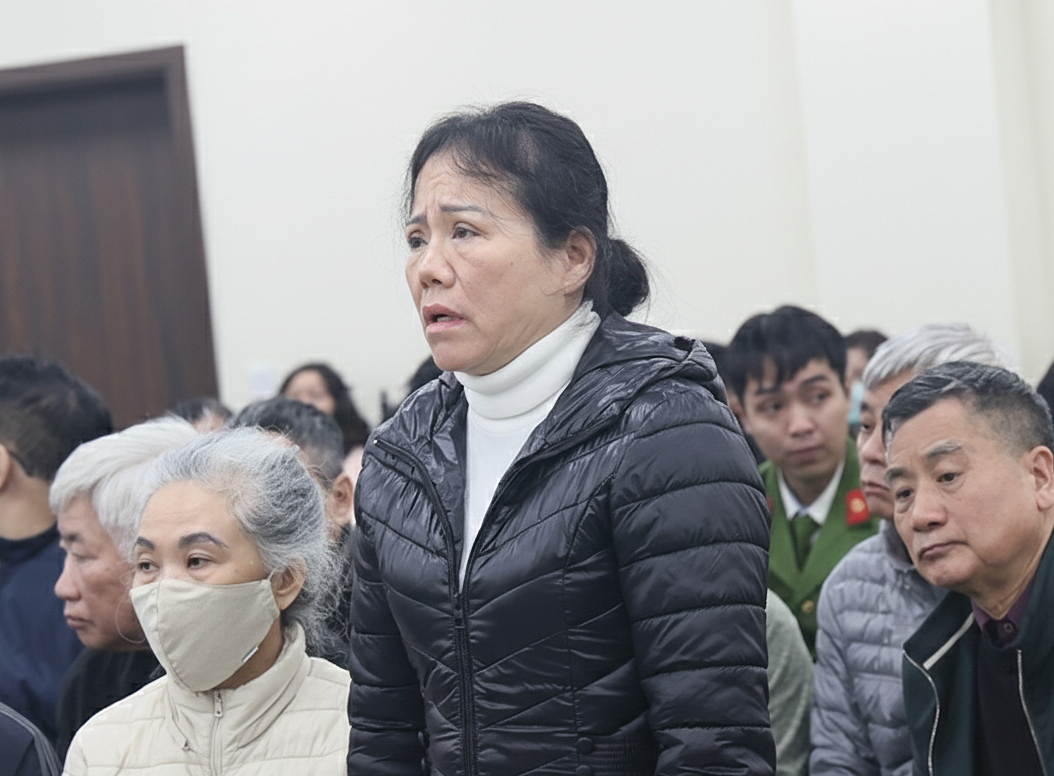 |
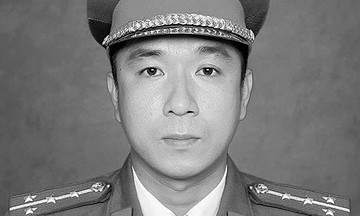
Defendant Truong Thi Thu Huong. Photo: Danh Lam |
The trial panel questioned: "If these were innocent gifts, why transfer them to your sister's account?"
Huong served as director for 10 years, from 2014 to 2024, holding the authority to approve and execute drug procurement contracts. Son Lam Pharmaceutical Joint Stock Company, led by Pham Van Cach, allegedly agreed to pay Huong a 10-30% "commission" on each drug purchase invoice during its transactions with Thai Nguyen Traditional Medicine Hospital.
In court, Huong stated that the bidding process was transparent and she did not know who owned Son Lam Company. She claimed that after the company won the bid, Cach visited her during drug transactions and offered "thank you gifts." Huong testified, "I said I wasn't particular about such things, as long as they sold good medicine to the hospital."
Despite this, when a Son Lam Company representative called to say they would send a gift, Huong proactively provided them with her bank account number.
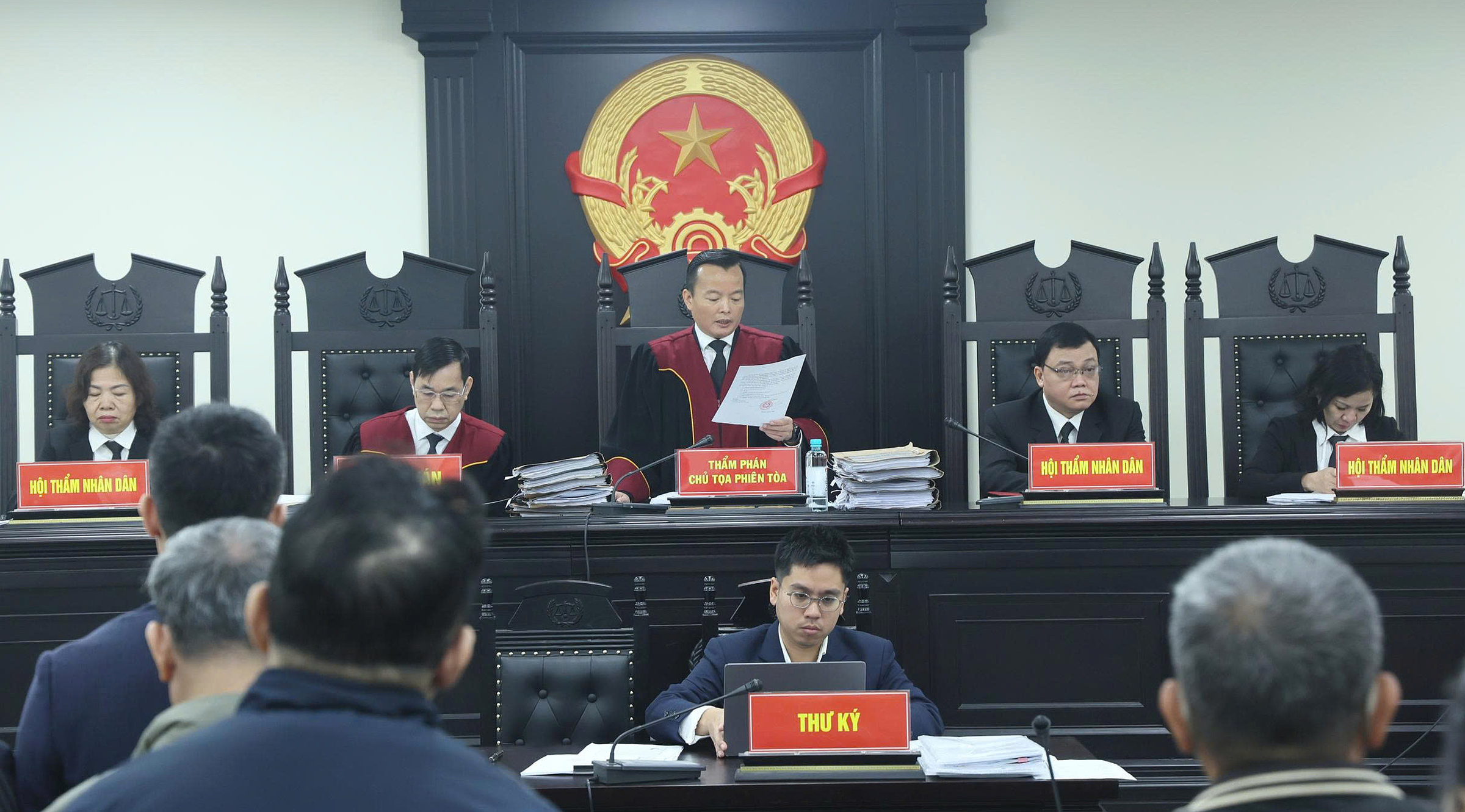
According to the indictment, Huong received money 17 times, all via bank transfer. The smallest amount was 5 million dong, the largest over one billion dong, with other transfers typically ranging from 500 million to 700 million dong each.
For instance, in late 1/2018, over two consecutive days, she received 900 million dong and 684 million dong. In 1/2022, she received one billion dong on the 5th, followed by 667 million dong the next day.
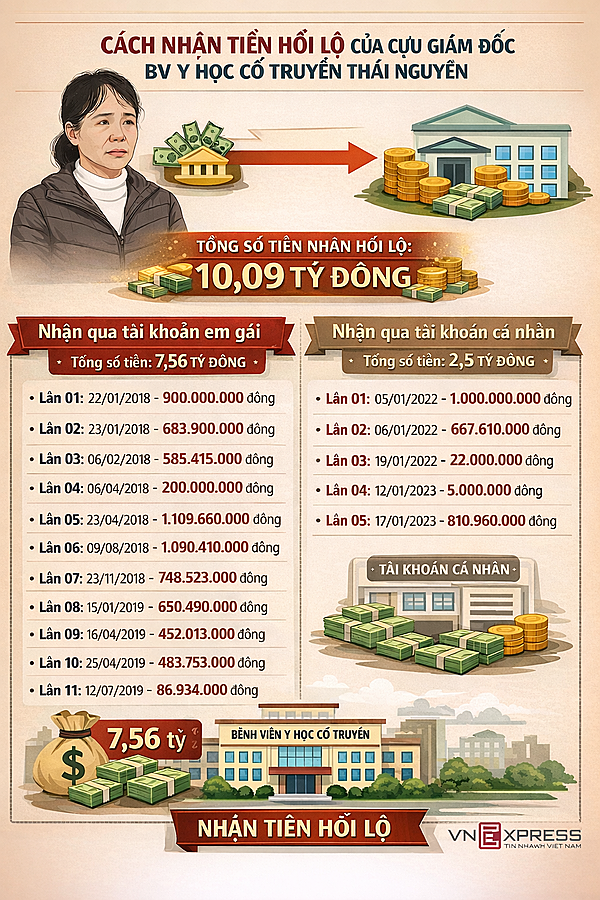 |
The trial was presided over by Judge Dinh Quoc Tri. Photo: Danh Lam |
When presiding judge Dinh Quoc Tri asked, "What kind of gift do you understand this to be?", Huong avoided a direct answer. She instead described the hospital's financial difficulties as a self-sufficient unit, including its dilapidated headquarters, deteriorating facilities, and broken equipment. She believed the pharmaceutical company, having successfully sold its products, sent "balancing gifts" to the hospital.
The presiding judge pressed: "What kind of gift amounts to 1,090 million dong at once? If it was just a simple gift, would it be this much? Answer directly."
Huong maintained her belief that it was a gift, but claimed it was for general use, not for her personal benefit.
The presiding judge then called defendant Cach, chairman of Son Lam, to stand and clarify "the purpose of giving the money." Cach quickly replied, "It was commission money." He explained that, similar to other hospitals involved in the case, he paid Huong to avoid difficulties during drug delivery and to ensure smooth payments. He stated that he would not give money without a clear purpose.
"Defendant Huong, did you clearly hear Cach's testimony? This is commission money, not gift money," the presiding judge continued to question Huong.
For the third time, she continued to deny: "I have never caused any difficulties for his company. All the drug sales processes, and payments..." The presiding judge interrupted her and asked: "If you perceived it as an innocent gift, why didn't you receive it transparently into your own account instead of asking your sister to hold it?"
The former hospital director reasoned that her "sister worked at a bank," making it convenient to withdraw cash for hospital expenses. For the fourth time, the trial panel challenged her arguments, pointing out a contradiction: "So why did Son Lam Company not record it as a gift in the transfer details, but instead as a deposit or land purchase deposit?"
 |
The female defendant appeared flustered and could not answer. The court analyzed: "It was you who requested Son Lam Company to record it that way. The purpose was to conceal these funds." Huong remained silent.
After a moment of thought, she responded: "When Son Lam gave it to me, they didn't say it was gift money or commission money." The presiding judge patiently reminded her, "The court just had Cach testify and clarify, so what else is there? Now the court is asking about your understanding." However, Huong denied it for the fifth time, stating she "did not proactively propose it."
"You did not proactively propose it, but you accepted the commission," the court stated. The former director finally admitted she "knew it was wrong" and understood it to be bribe money, not a gift.
She used bribe money to fund charity meals
Despite receiving money into her personal account, Huong asserted that she only "held it on behalf of" the hospital for general expenditures. This included "socialized funds" to build a new facility for the old, overcrowded hospital, which had only 100 beds. According to her, to get the new headquarters project approved, the hospital needed counterpart funds, "otherwise, the central government funds would be reallocated to another unit."
When she received this money from Son Lam, she discussed it with the accountant and learned that if it were received through the hospital's official account, it would become part of the budget and could not be retained as socialized capital for hospital construction. "Therefore, I held the money as an agent for the agency. I knew it was wrong, but I didn't know what else to do," she stated at the trial.
Additionally, she spent this money on projects to rebuild the parking garage and cafeteria for the hospital. She claimed these expenses were meticulously recorded. However, some expenses, such as charity work, union support, providing free meals to patients, experience-sharing programs, technical training, or repairing patient equipment, could not be documented with invoices.
The Procuracy noted that Huong returned 6 billion dong during the investigation phase.
The trial panel continues its work.
Thanh Lam