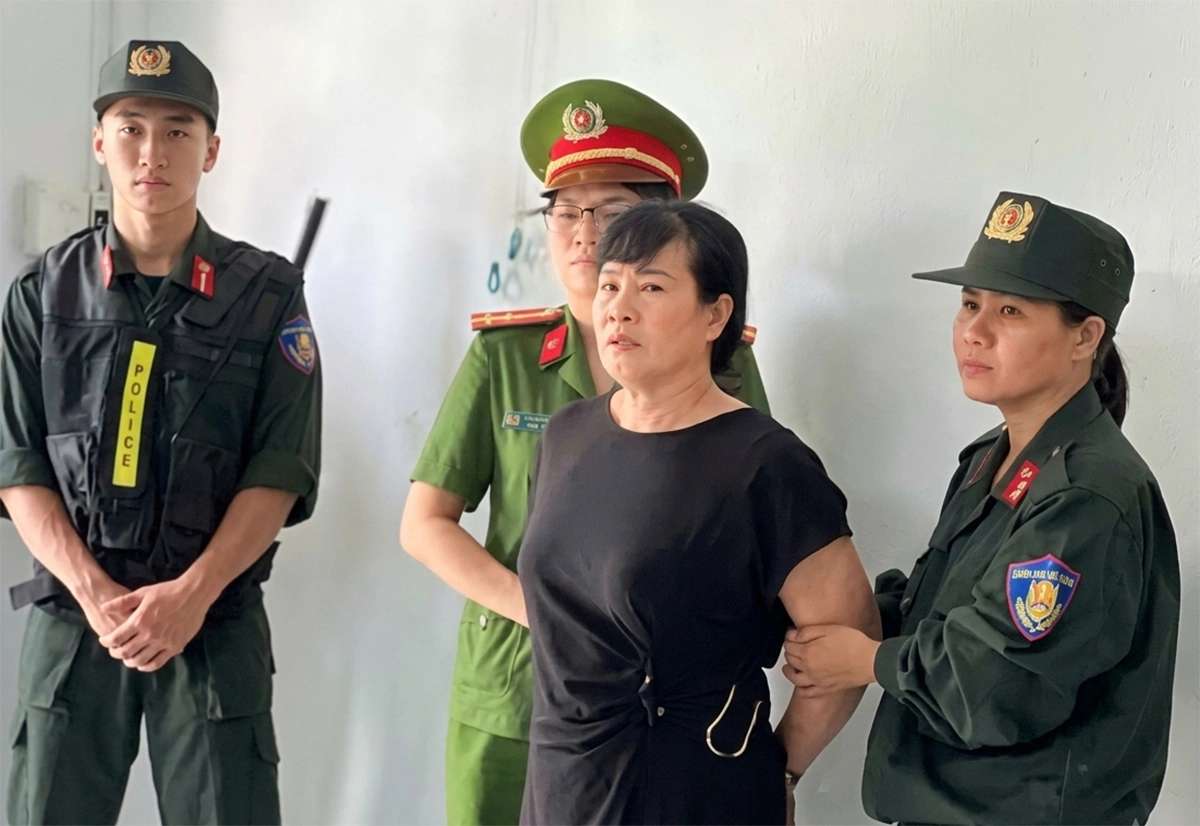
On the afternoon of 31/7, the Hanoi People's Court sentenced Nguyen Nang Manh, former CEO of MediUSA Company, to 11 years in prison for producing and trading fake food, foodstuffs, and food additives; 3 years for violating accounting regulations causing serious consequences; and 2 years 6 months for bribery. The combined sentence totals 16 years 6 months.
Manh, identified as the primary shareholder and mastermind of all three criminal charges, received the maximum sentence.
The court deemed the counterfeiting of functional foods in this case particularly dangerous, noting its systemic nature, long duration, and diverse product range targeting various age groups. Consumers had previously trusted these products.
The court stated that the case's impact extended beyond economic losses, eroding public trust in food safety. The bribery between MediUSA and former health, police, and customs officials compromised the integrity of public service.
The court commended the defendants' remorse and commitment to mitigating the consequences, which was the primary factor in issuing sentences below the maximum for all 14 individuals.
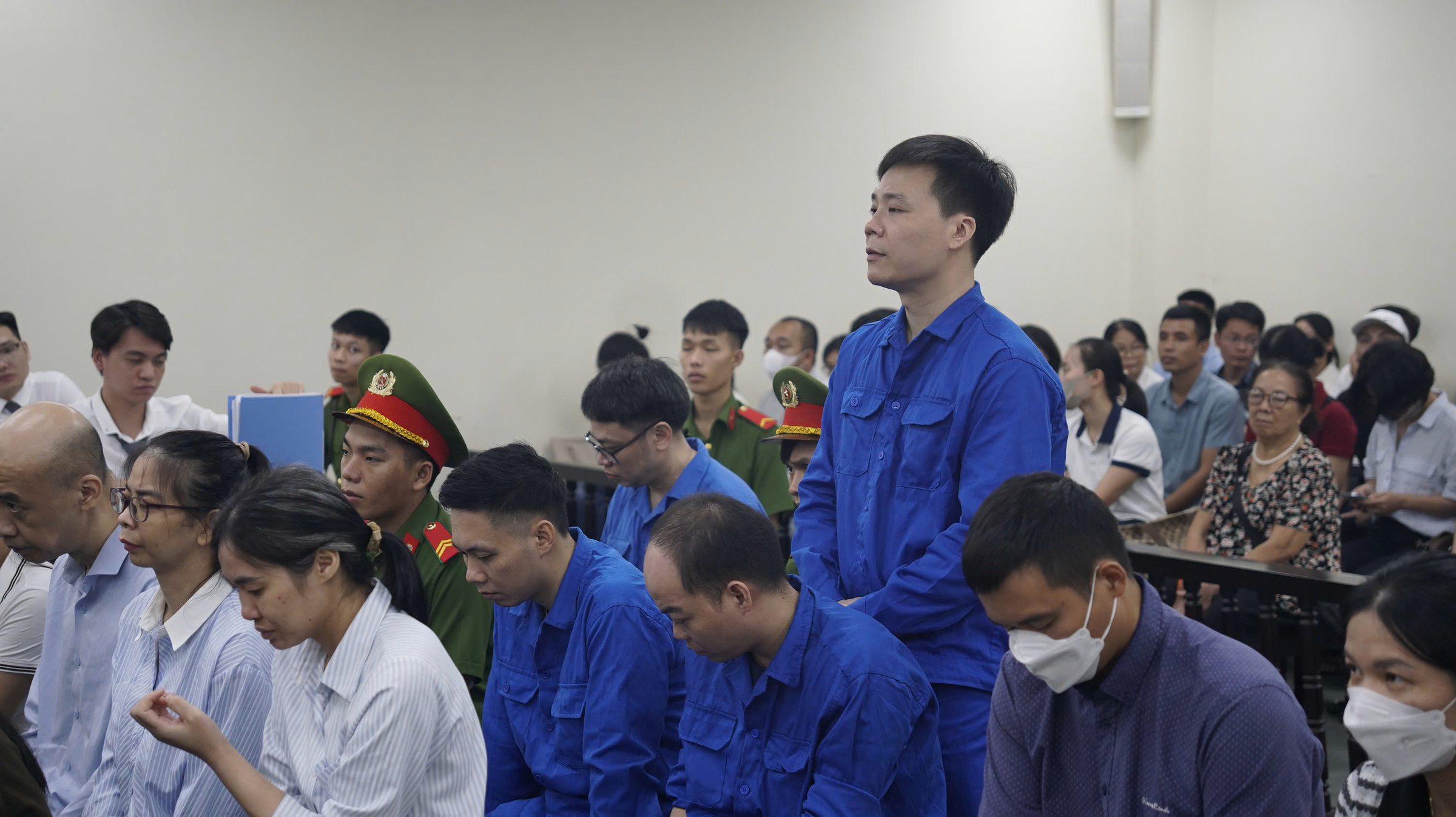 |
For the three former officials tried for bribery, the court sentenced Nguyen The Viet, former Deputy Director of the Customs Control and Management Department, to 6 years; Nguyen Huu Tuan, former Deputy Head of Division 5, Customs Control and Management Department, to 7 years; and Phan Cong Chien, former Head of the Pharmaceutical Business Management Department, Drug Administration of Vietnam (Ministry of Health), to 30 months suspended sentence.
Nguyen Danh Dung, a former official of Division 4, Department of Environmental Crime Prevention and Control Police (C05, Ministry of Public Security), was sentenced to 15 months suspended sentence for intentionally disclosing work secrets.
No additional penalties, such as prohibitions from holding positions or practicing professions, were imposed on any defendants.
In civil terms, the court ordered MediUSA's leaders and main shareholders to return profits obtained from the crimes of producing fake goods and violating accounting regulations, with Manh required to pay 291 billion VND. The court deducted the 169 billion VND Manh had already paid, demanding an additional 121 billion VND in restitution.
The court ordered the processing and destruction of exhibits, which included hundreds of thousands of product boxes and tons of raw materials, products, and substances of unknown origin.
>> Details of the sentences for the 14 defendants
According to the indictment, from 2016-2025, Manh and his accomplices established an "ecosystem" of companies centered around MediUSA to produce functional foods.
By copying formulas from the internet and other brands, this group created products but maintained less than 30% of the declared active ingredient content.
The defendants bribed several officials of the Food Safety Authority to obtain certification for over 200 products. Among these, 88 products identified by investigators as counterfeit generated revenues of 540 billion VND.
Additionally, Manh also bribed two customs officials with 1,5 billion VND when a shipment of raw materials was held at the border.
When investigative agencies initiated action, Dung, the C05 official directly involved in the investigation, tipped off MediUSA, allowing them to dispose of evidence, documents, and data into the Red River.
MediUSA also used two accounting systems to conceal 1.700 billion VND in revenue, causing tax losses of over 300 billion VND, which amounted to 143 billion VND after deductions.
>> Look up MediUSA's 88 counterfeit products
The defendants largely admitted their actions, with only two former customs officials expressing reservations about being prosecuted for accepting 1,5 billion VND in bribes, claiming they "only made a mistake but did not commit a crime".
The Prosecutor's Office, however, asserted that if the officials were truly impartial, they should have addressed the company's official request immediately, rather than only acting after money was delivered to the agency's entrance. The law explicitly prohibits officials from accepting money from individuals whose work is dependent on or related to their duties.
During today's sentencing, the court acknowledged that while two former customs officials accepted bribes, they ultimately performed their official duties and responsibilities correctly.
Thanh Lam