


On 8/1, the Cybersecurity and High-Tech Crime Prevention Department of Ho Chi Minh City Police worked with the two individuals. Authorities processed and warned them for sharing a video that falsely depicted MC Quyen Linh. They determined the shared content insulted personal honor and dignity, while also affecting organizational reputation.
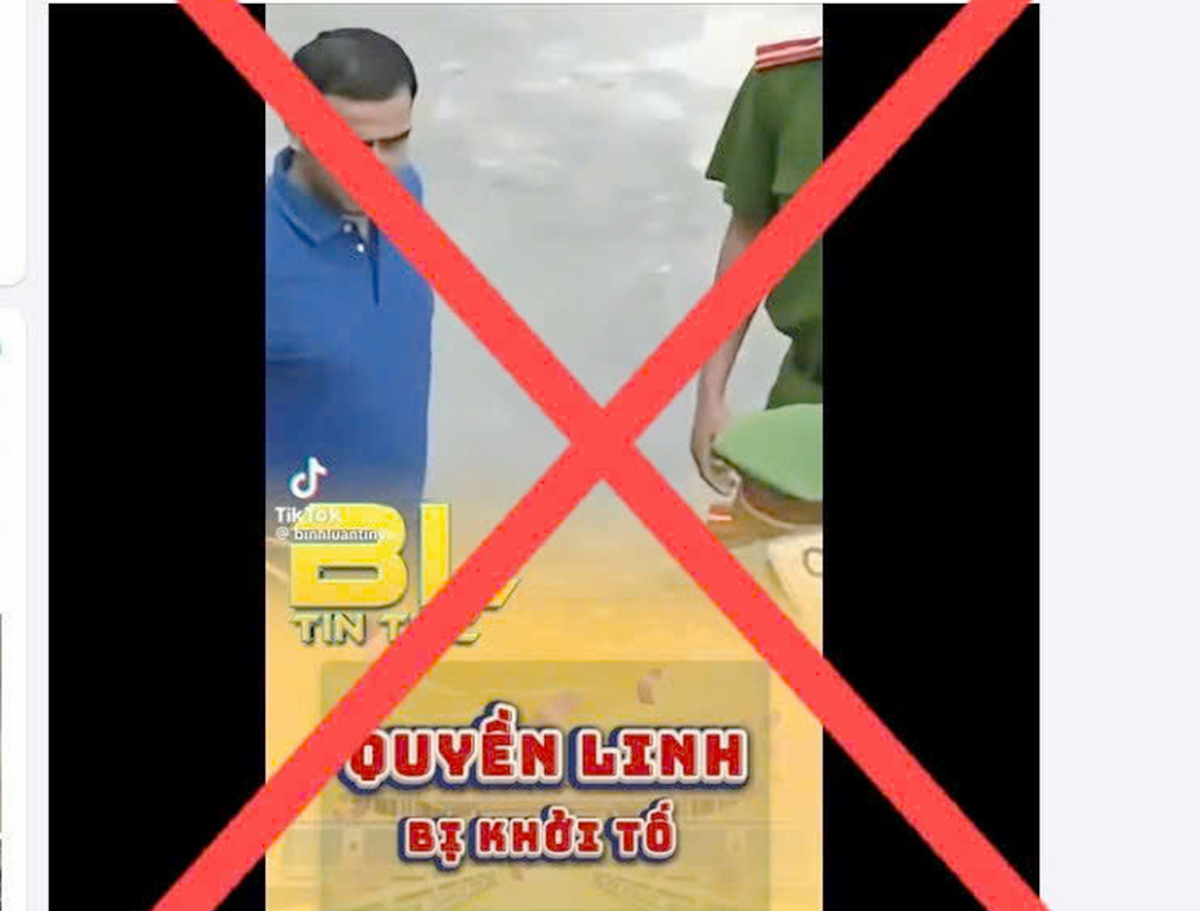 |
The viral video related to artist Quyen Linh was confirmed fake. *Photo: Ho Chi Minh City Police*. |
Previously, social media platforms saw a wide spread of posts, images, and videos claiming "artist/MC Quyen Linh was ordered arrested by Ho Chi Minh City Police." This information quickly garnered significant public attention.
Technical analysis by Ho Chi Minh City Police confirmed the video was an AI-generated product. It combined fake images and audio to mislead public opinion negatively. From a legal standpoint, this act not only violates individual rights but also disrupts the online environment.
The Artificial Intelligence Law, passed last December, clearly outlines boundaries for such content. Specifically, Article 7, Clause 2, Point b of this law strictly prohibits using fake or simulated elements of real people or events to deceive or manipulate human perception. This serves as an important legal basis for strictly handling cases where technology is exploited to distort truth.
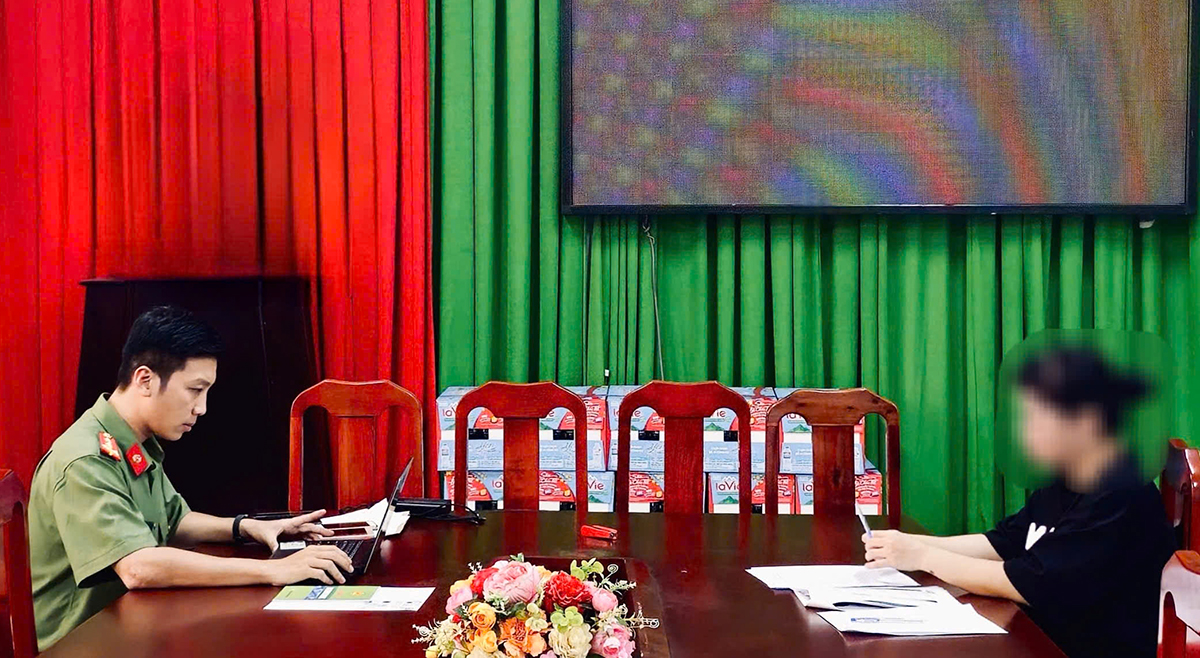 |
An individual was summoned for posting a fake video claiming "artist Quyen Linh was arrested". *Photo: Ho Chi Minh City Police*. |
Ho Chi Minh City Police advise citizens to verify information from official sources before sharing. All acts of posting false information, depending on their nature and severity, will face administrative penalties or criminal prosecution.
Quoc Thang


