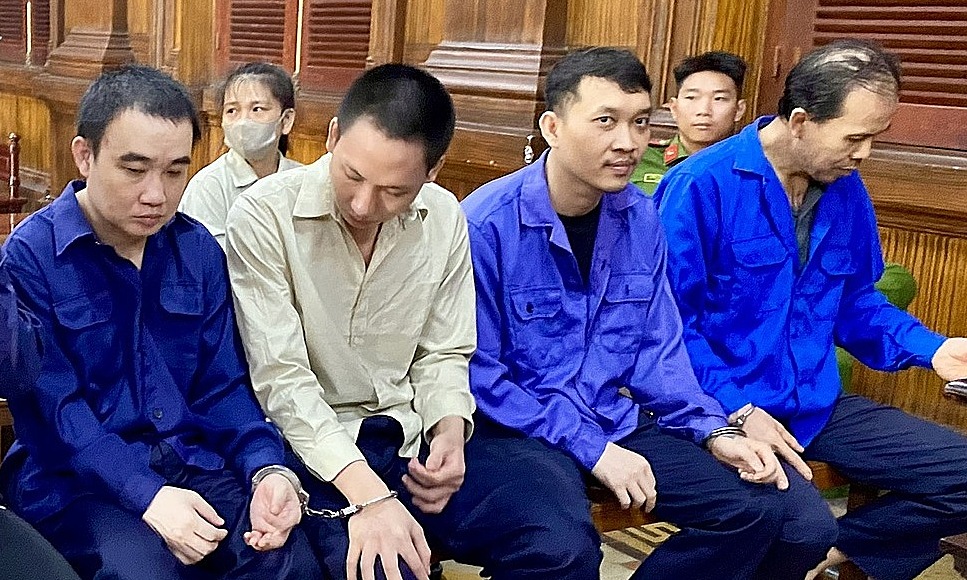
Tokyo Metropolitan Police Department arrested two individuals: Kazuhiko Ida, 54, owner of a human resources company in Iwata city, Shizuoka prefecture, and Yuya Usami, 45, the company's recruitment manager. Both have admitted to the charges.
Authorities also arrested Tetsuya Nakamura, 58, director of Nippon Kenma's metal processing factory. On wednesday, 3/3, police referred cases concerning both companies to the prosecutor's office.
The three suspects are accused of facilitating the illegal employment of four Vietnamese citizens at the factory from 20/11/2024 to 28/1/2026.
The four Vietnamese individuals were considered illegally residing in Japan after leaving facilities where they had been technical interns, citing issues related to salaries and interpersonal relations. They were later introduced to jobs at the Fukuroi factory through social media brokers by the recruitment company owned by suspect Ida.
According to police, suspect Nakamura, the factory director, stated that the company faced a labor shortage, even after advertising for employees.
Since november 2020, a total of 65 Vietnamese individuals had been brought to work at his factory through Ida's company. The factory paid the labor brokerage company approximately 90 million yen (15 billion dong) in fees.
The case came to light following an investigation into a 26-year-old Vietnamese man arrested in may 2025 on suspicion of illegal residency.
Statistics released by the Ministry of Health, Labor and Welfare of Japan in 2025 show that about 2,57 million foreign workers are employed in the country, with nearly 606,000 being Vietnamese.
Japan's immigration control law stipulates that illegally residing workers may face arrest and a re-entry ban of one to five years if they voluntarily depart, or five to ten years if deported. Repeat offenders or those committing criminal offenses may face a permanent ban.
Businesses employing foreign nationals without legal residency status can face up to three years in prison, a fine of up to 3 million yen, or both. Additionally, such businesses may have their business licenses revoked.
Hai Thu (According to Japan Times, Japanese Law Translation)