A recent disappearance in Mexico has sparked debate regarding the misuse of online filters and photo editing tools.
Grecia Guadalupe Orantes Mendoza disappeared on the night of 12/4 in the town of Ocozocoautla de Espinosa. Following a report from her family, police immediately launched a search.
As part of their procedure, authorities used Grecia's social media photos to create missing person posters, which they disseminated online and within the local community. However, acquaintances reported that the images on the posters did not resemble the 30-year-old woman.
Time is of the essence in missing person cases, making these posters crucial for public assistance. Yet, in Grecia's situation, the use of edited photos made it harder for residents to identify her.
Many commented, asking, "How can they find her with digitally altered photos?"
A few days later, police found Grecia alive on the highway connecting Ocozocoautla to the municipality of Jiquipilas. She is currently in police custody. The circumstances surrounding her disappearance and subsequent whereabouts remain undisclosed as the investigation is ongoing.
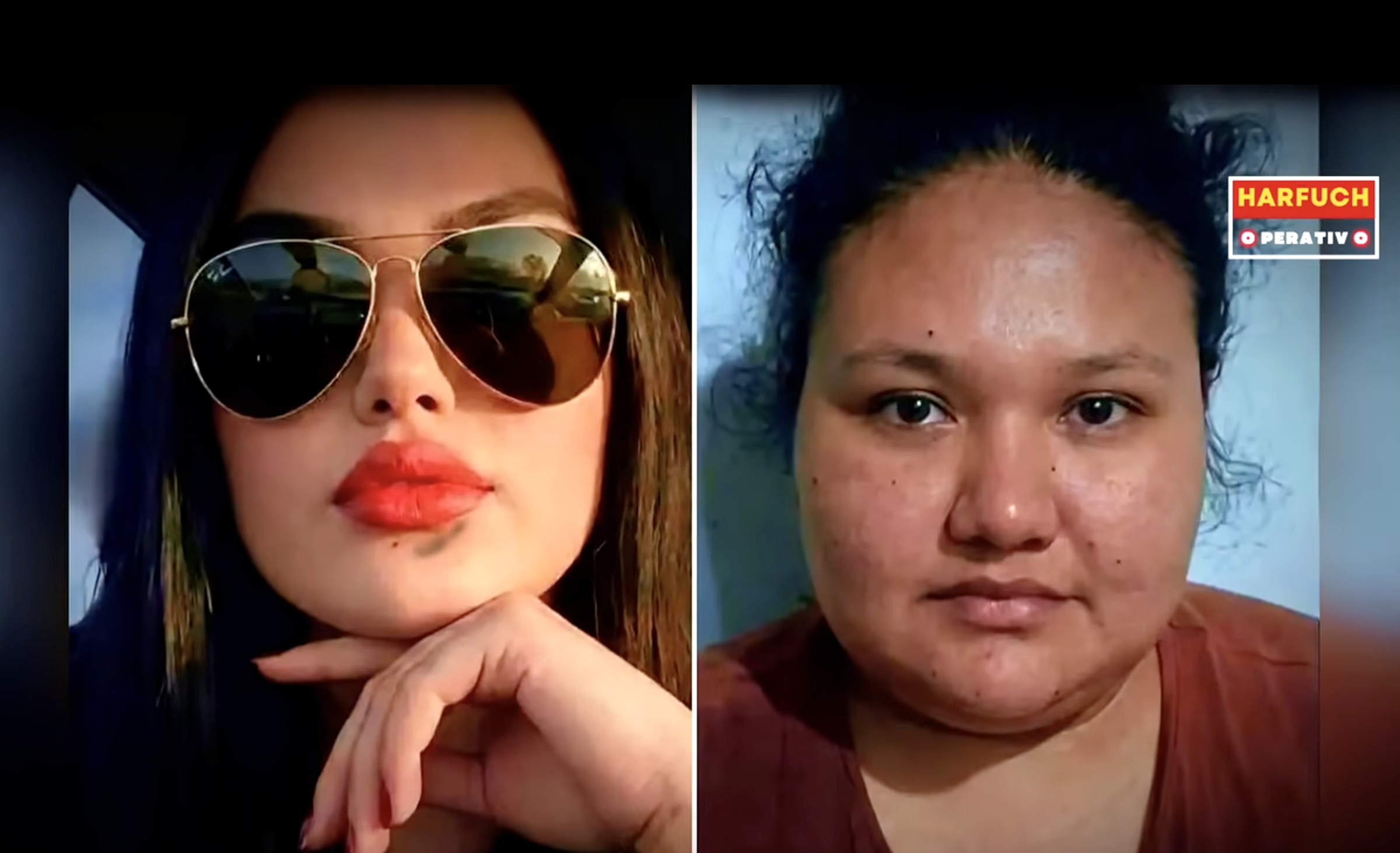 |
Grecia online versus Grecia in real life. Photo: *Harfuch Operativo*. |
The incident has reignited debate about using social media images in missing person searches. While these photos are easily accessible, experts contend that filtered images can hinder, rather than aid, search efforts.
Security consultant David Saucedo stated that the National Commission for the Search for Missing Persons has long observed that identification templates are often ineffective when using social media photos, where users frequently apply filters or artificial intelligence software.
By Hai Thu (Source: Oddity Central)