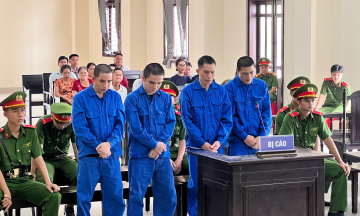
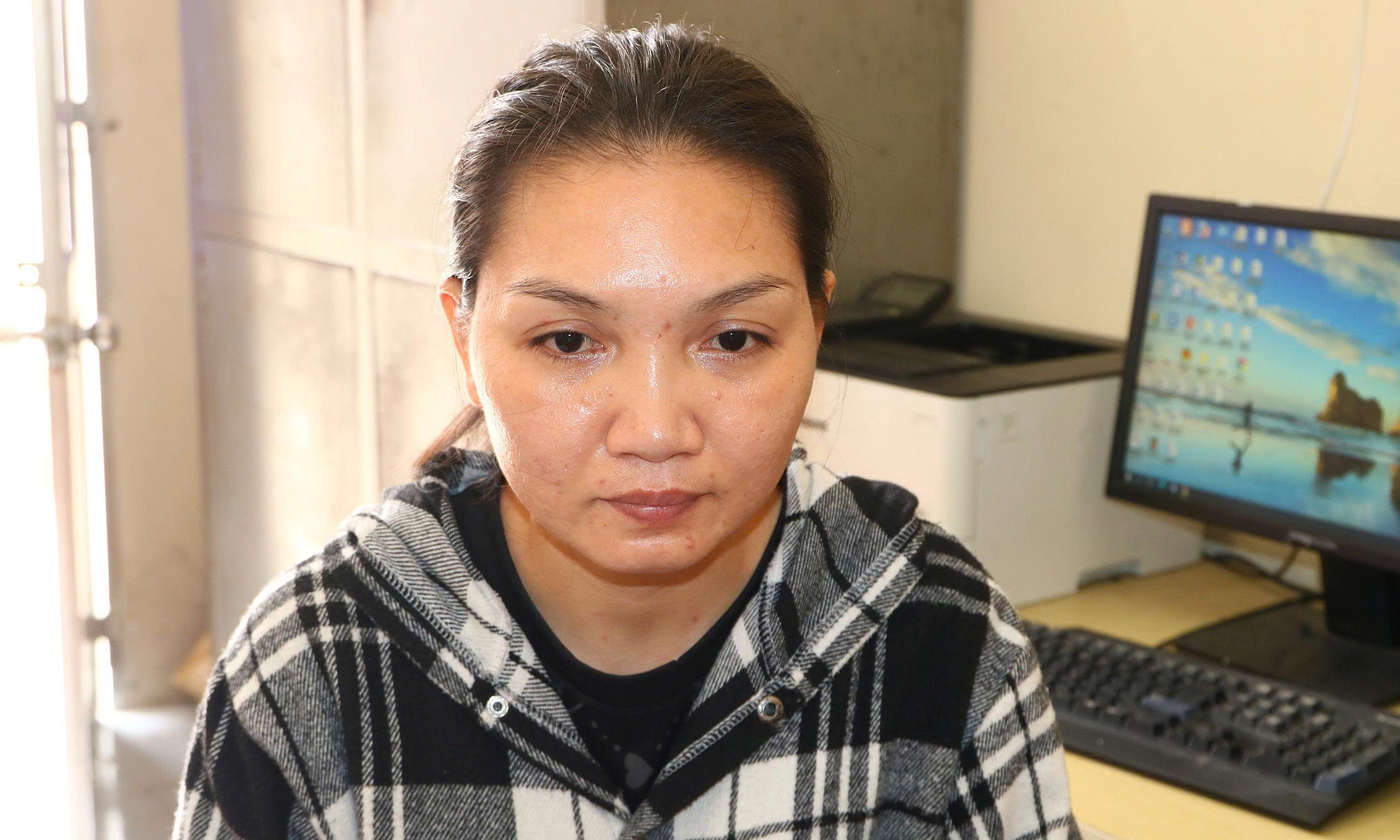
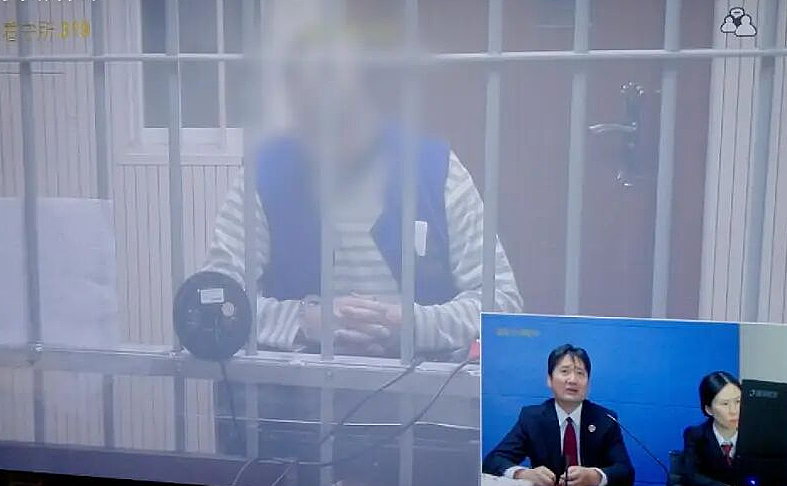
On the afternoon of 30/7, Tran Huy Hoang, 24, residing in Hanoi, and Duong Quoc Lap, 28, residing in Ninh Binh, were sentenced by the Hanoi People's Court to 15 and 13 years in prison, respectively, for fraud and appropriation of property. In connection with the case, 13 other individuals, all born between 1998 and 2004, received sentences ranging from a 3-year suspended sentence to 13 years in prison.
The scheme began in 2023 when Hoang and Lap worked together at a functional food company. They researched the activities of Long Huong Pagoda and monk Thich Tue Hai in Dong Nai, who specialized in selling health-promoting foods and providing health consultations for musculoskeletal conditions.
Recognizing the monk's significant reputation, the group conceived a plan to impersonate him to sell fake traditional medicine and defraud people.
The prosecution's indictment revealed that the defendants' activities were not spontaneous impulses. The group utilized professional sales management software to track orders, manage customer information, and calculate staff salaries and bonuses.
Lap was tasked with running advertisements on Facebook by copying articles and health consultation videos from monk Thich Tue Hai regarding musculoskeletal and stomach ailments.
When customers left their phone numbers, this information was updated to the system for sales staff to follow up. These staff members were instructed to use fake Zalo accounts, setting their profile pictures as the monk or impersonating his "disciples" to make consultation calls.
They received training on professional speaking scripts and researched online videos to acquire knowledge about various conditions, making it easier to "diagnose" and persuade customers to buy the medicine.
This made thousands of people, especially those in remote areas or elderly individuals suffering from illnesses, easily fall victim to the scam.
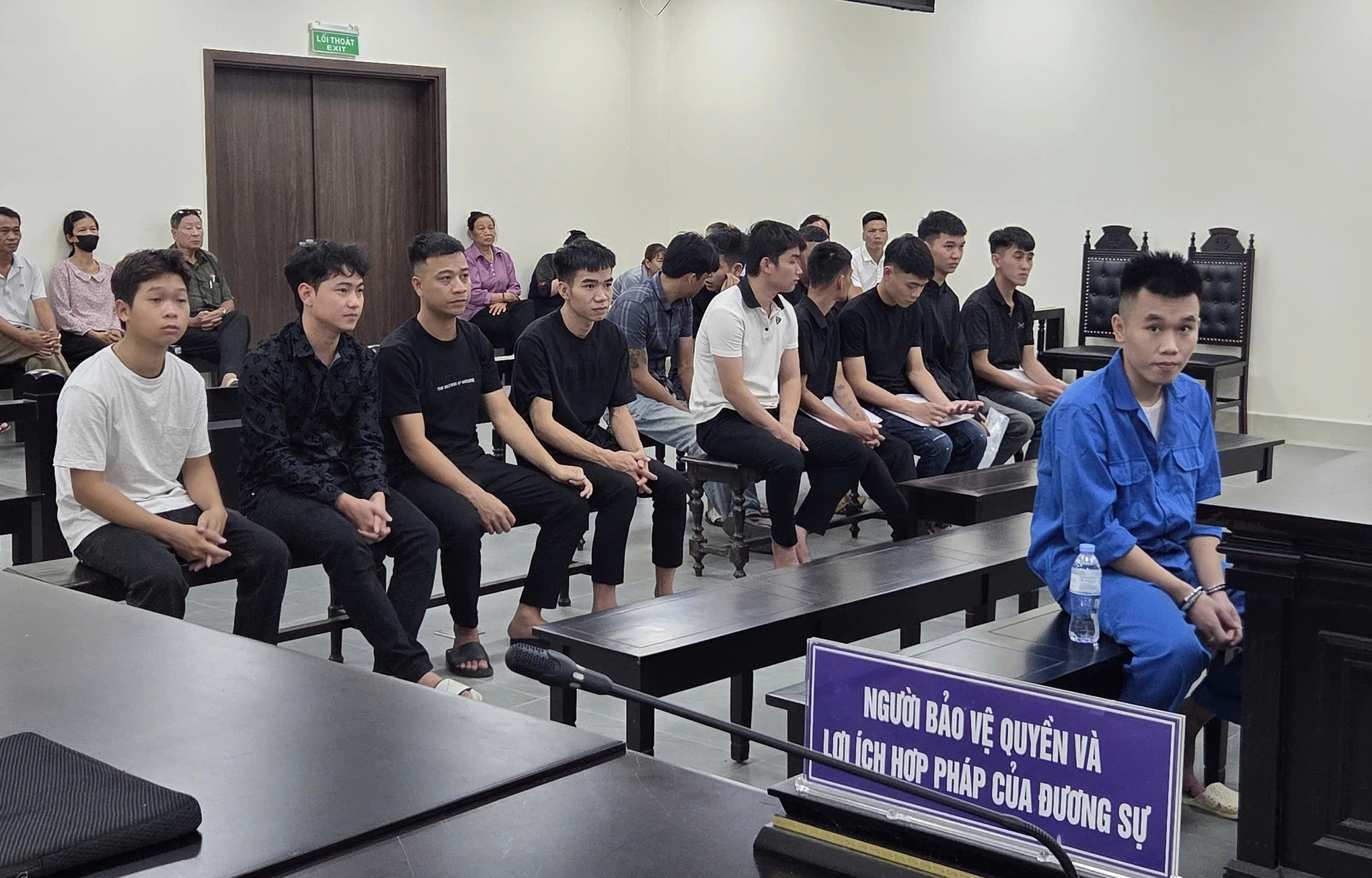 |
Defendant Tran Huy Hoang (front row) and accomplices in court. Photo: Danh Lam |
Fake miracle cures worth 17,000 VND defrauded thousands
The prosecution determined that the "miracle cures" sold by the group were actually inexpensive traditional medicine products, lacking proper quality control.
The defendants purchased these products from families producing them in Ba Vi commune for only 17,000-25,000 VND per item.
The items were then labeled with names like "Phuc Khop Long Huong", "Da Day Tue Hai", and "Tai Tao Khop Long Huong" to create the impression they were exclusive products from monk Tue Hai's pagoda in Dong Nai.
These products were then sold at 10 to 20 times their original price, reaching up to 300,000 VND.
To incentivize active participation in the fraud, Hoang and his accomplices implemented a sales-based compensation policy: exceeding targets resulted in bonuses, while failing to meet them led to salary deductions.
The group defrauded victims of a total of 2,8 billion VND through more than 1,431 orders. The group was found to have operated for 53 days from 2/2024 to 4/2024, meaning they processed an average of 27 orders daily.
According to expert assessment, these products were not medicine, were not licensed for circulation by the Ministry of Health, and were not produced at Long Huong Pagoda or by monk Thich Tue Hai.
Hai Thu