According to Verona Frankish, CEO of Yopa, a real estate brokerage in the UK, homebuyers often focus on structural and interior inspections, overlooking the surrounding living environment. To accurately assess future neighbors, buyers should survey the prospective area at different times, based on the following 4 signs.
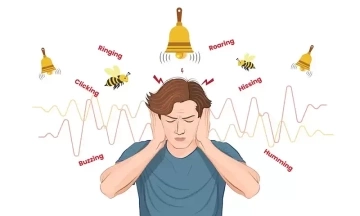
Frequent noise
When viewing a home, pay attention to loud music, arguments, constant dog barking, or drilling sounds from adjacent apartments. Frequent gatherings and parties from neighbors will directly affect future family life.
However, one visit is not enough to draw conclusions. Frankish advises buyers to revisit the area independently during weekday evenings and on weekends, without an agent.
"A quiet street at 11 AM, when agents typically show homes, can present a completely different picture at 9 PM on a saturday," Frankish said.
Constant strangers and vehicles
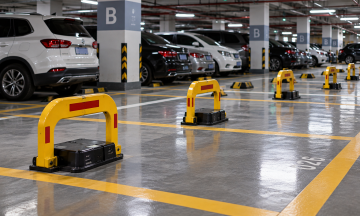
A few parked cars in front of a home are not a major issue, but if the adjacent property constantly has strangers and vehicles coming and going, buyers need to investigate the reason.
This could be the activity of a large family. However, the home might also be used as a business premises, a warehouse, or for short-term rentals (homestay). This not only causes noise and narrows shared pathways but also poses security risks due to the frequent presence of unfamiliar individuals.
 |
Illustration: AI.
Neglected, cluttered common spaces
Overgrown plants, overflowing bins, or items haphazardly discarded outside reflect the surrounding residents' sense of community responsibility.
If buying an apartment, thoroughly inspect areas like hallways, trash rooms, elevators, parking garages, and playgrounds. Conditions such as improperly discarded trash, unrepaired broken doors, shoes or old items piled in hallways, or lingering odors indicate lax management and a lack of respect for shared rules among residents.
Signs of discord among residents
Buyers should observe the attitude and responses of the homeowner or agent when asked about neighbors. You can start with general questions about the surrounding residents, then delve into whether the neighborhood has experienced noise complaints, pathway disputes, or personal conflicts.
Additionally, visual details like makeshift barriers, unrepaired damaged fences, or numerous security cameras and lights pointing at a neighboring home also signal boundary encroachment or insecurity.
Frankish states that street arguments, deliberate obstruction of pathways, or hostile attitudes between neighbors pose a much greater risk than an untidy garden.
By Nhat Minh (via Metro)