Safety first
Safety is always the top priority in children's daily activities. Alisha Simpson-Watt, an expert from the Center for Applied Behavior Analysis Services (US), states that parents need to instruct children not to touch dangerous objects, to look both ways before crossing the street, to hold an adult's hand in crowded places, and to always wear a seatbelt.
"Maintaining non-negotiable safety rules reduces the risk of injury while fostering responsible behavior in children", she said.
Dedicate time for daily connection
Aimee Ketchum, an expert from Global Parent Community (US)—a platform specializing in providing parenting skills—advises parents to prioritize talking, reading, and playing with their children daily. Even a few minutes of screen-free interaction can offer long-term benefits.
She states that early brain development relies on family interactions, which form the foundation for a child's future confidence and learning ability.
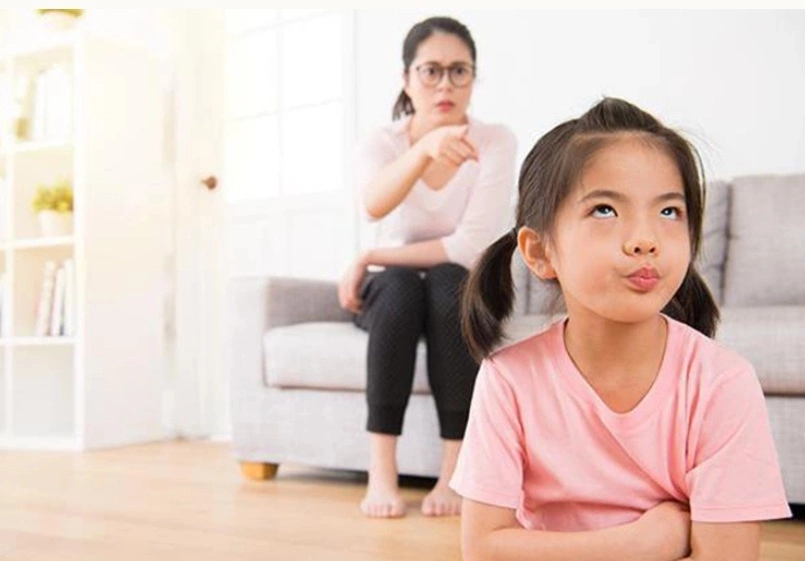 |
Illustrative photo: Shutterstock. |
Do not harm others
Children need to learn empathy by respecting others' boundaries. Ash Beckham, an educator in the US, states that establishing a rule against intentionally causing physical or verbal harm is essential for creating a safe family environment.
Devon Kuntzman, an expert from Transforming Toddlerhood—an organization in the US supporting parents of children aged one to three—agrees, stating that parents should acknowledge all of a child's emotions but set limits on negative behaviors. "You can say, 'You have a right to be angry, but I won't let you hit me'", she said.
Additionally, children should learn to ask for permission when playing or greeting others. Marea Goodman, founder of PregnantTogether—a community supporting single parents in the US—states that helping children understand consent teaches them to respect others' bodies and protect their own boundaries.
Maintain boundaries
If parents set rules but then withdraw them when a child reacts strongly, the child will learn that limits can change based on their behavior. Amy Vale, an expert from For the Cubs (US)—an organization supporting children's mental health—believes children develop better with the security of consistent boundaries.
Parents must especially avoid disciplining children while angry. Rachel Gunn, author of the book Impact Parenting, states, "If we punish children emotionally, we are teaching them to control our emotions rather than manage their own behavior".
Adhere to the "golden rule"
"Treat others as you would want to be treated" is a core ethical principle. Petal Modeste, an education expert, states that teaching children this early helps them develop compassion and respect.
Sarah Bossio, an expert at Your Zen Baby Sleep (US)—a child sleep consulting center—adds that respect is not only for parents and friends; children must also learn to respect themselves to understand the value of self-esteem.
By Nhat Minh (Source: Good House Keeping)