The seminar, organized by Visa in collaboration with Hanoi Metro, provided a platform for in-depth discussion on the future of transportation in the capital. The event gathered guests including historian Duong Trung Quoc, Nguyen Van Ngoc, Deputy General Director of Hanoi Metro, Dang Tuyet Dung, Country Manager of Visa Vietnam and Laos, and content creator Trinh Ha Vi (Schanel).
From nostalgic memories of old trams to the modernity of the metro, the speakers discussed Hanoi's evolving landscape, where commuting is not just about getting from point A to point B, but also a living experience.
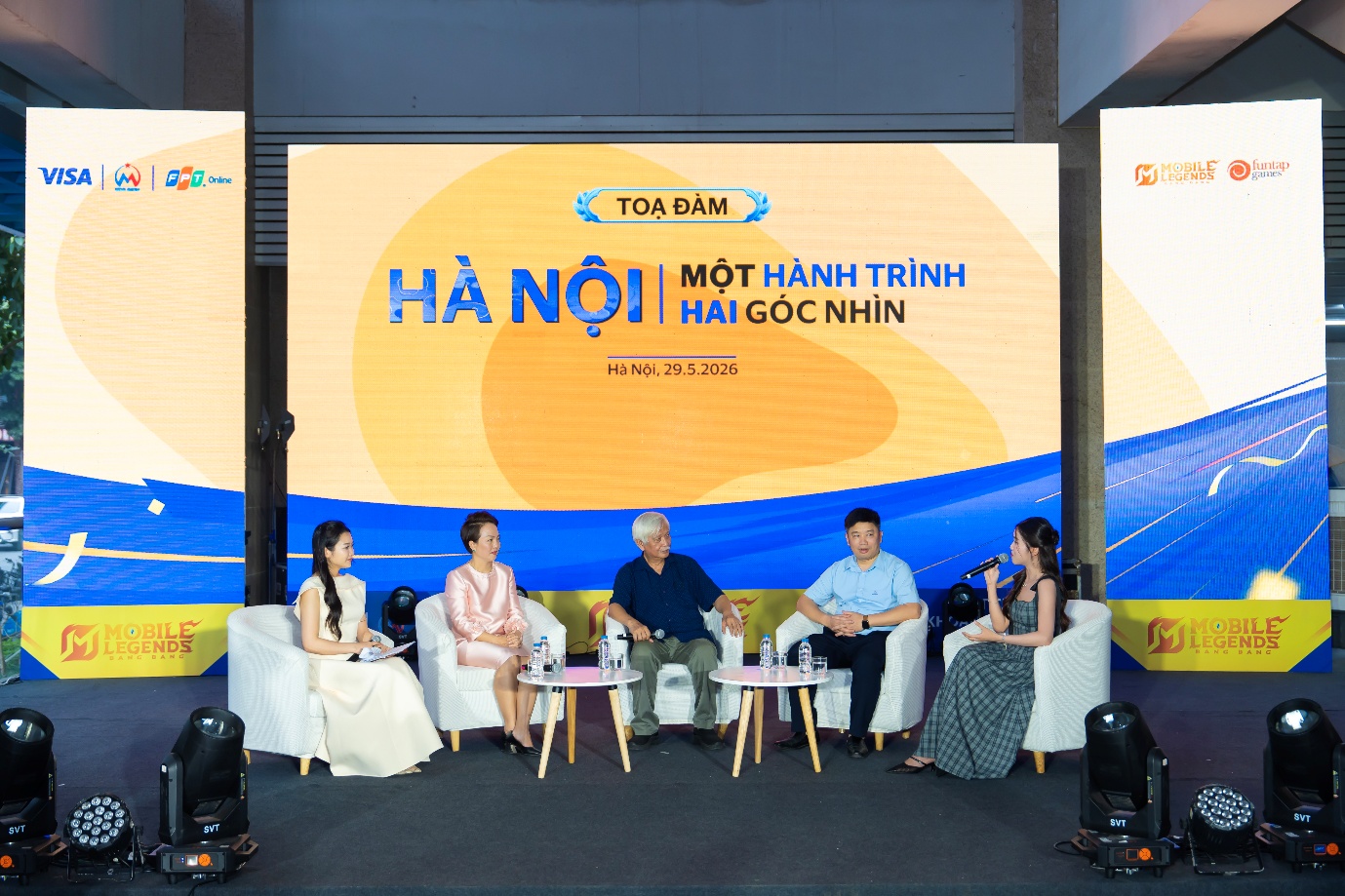 |
Speakers at the "sustainable mobility - multiple perspectives" seminar. Photo: BTC |
Opening the seminar, historian Duong Trung Quoc transported the audience back to a time when the clanging bells of trams were a familiar sound on the streets. In his memory, commuting then held more significance than a daily activity. Residents leisurely admired the streets, interacted, and felt the city's pulse through each stop. Travel was also a place where people communicated, shared, and connected more. However, with rapid urbanization, the surge in personal vehicles created immense pressure on infrastructure, blurring the inherent connective values of urban transport.
Representing Gen Z, Trinh Ha Vi shared a practical perspective on current traffic pressures. She noted that for young people, going out each day can sometimes be a tiring challenge. Smog, congestion, and the need to focus on driving for hours in dense traffic consume too much energy before work even begins. According to Ha Vi, young people today no longer prioritize owning personal vehicles at all costs. Instead, they seek smart, comfortable commuting solutions that allow them to enjoy the city more positively.
From an operator's perspective, Nguyen Van Ngoc affirmed that the metro plays a strategic role in addressing traffic congestion and environmental pollution. However, the urban railway's greatest value lies in transforming people's mindsets and habits. In many developed countries, the metro is not merely public transport but the backbone of a modern lifestyle. When people switch from motorbikes to trains, they directly contribute to building a greener city. Ngoc emphasized that the metro fosters a civilized commuting environment, where people learn to respect shared spaces and adhere to community rules.
The advent of the metro also redefines "dead time" during commutes. Trinh Ha Vi stated that instead of stressfully observing the roads, passengers on the train can use their time to read, listen to music, work, or relax while viewing the city from above. The daily commute to work or school becomes less stressful, transforming travel time into a valuable part of life rather than a burden. As more people choose the metro, Hanoi will develop a green lifestyle, reducing reliance on personal vehicles and minimizing emissions.
 |
Dang Tuyet Dung, Country Manager of Visa Vietnam and Laos. Photo: BTC |
To accelerate this transformation, technology acts as a crucial catalyst. Dang Tuyet Dung, Country Manager of Visa Vietnam and Laos, noted that user experience needs to be designed to be simple and fast to achieve a breakthrough. "Visa, in collaboration with Hanoi Metro, is implementing a tap-to-ride payment solution, allowing passengers to use their Visa card or a Visa-enabled mobile device to easily travel at metro stations with just one tap", Dung shared. This solution eliminates traditional ticket purchasing steps or the need for cash, providing maximum convenience for residents.
Dung believes that when payment becomes as simple as a tap, using the metro will become a natural choice for all ages. This experience is comparable to transportation systems in major global cities like London or Singapore, enhancing the capital's transportation image.
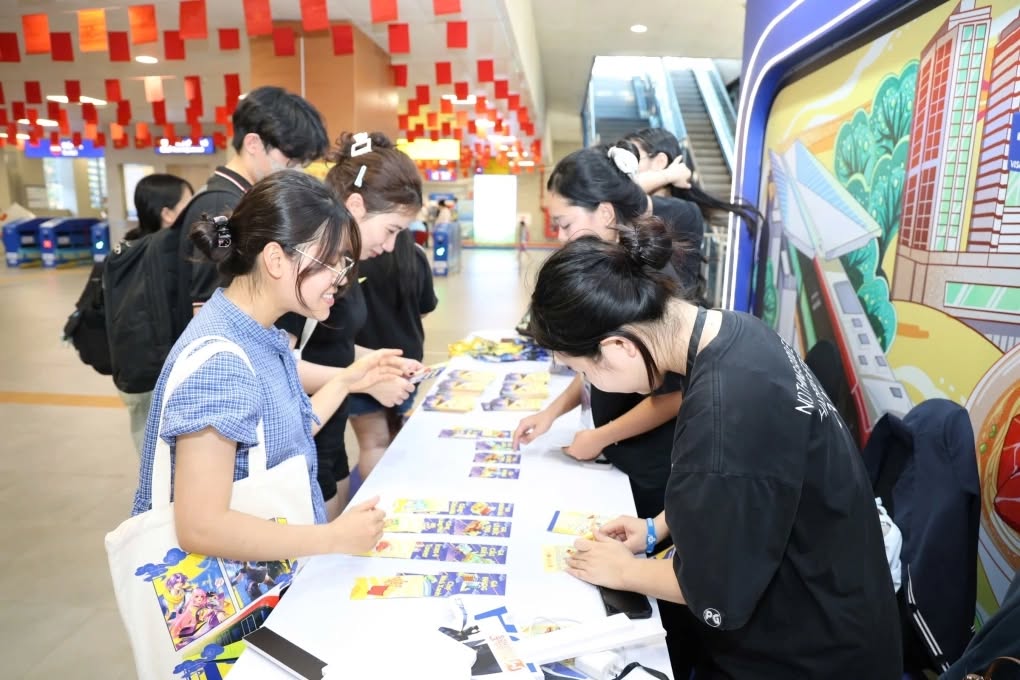 |
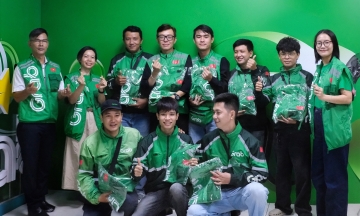
Young people checking in at Le Duc Tho station. Photo: BTC |
From a management perspective, Nguyen Van Ngoc added that digital payments optimize passenger flow at stations during peak hours, reduce operating costs, and limit waste from traditional paper tickets, aligning with sustainable development goals.
As a frequent user of technology services, Trinh Ha Vi praised the convenience of the one-tap payment model. She believes this is a key factor in attracting young people to use the metro more regularly.
Concluding the seminar, the speakers agreed that Hanoi's future lies in a smart and sustainable transportation ecosystem. They stated that the metro's modern infrastructure combined with advanced payment technology is creating a strong impetus for the city's development. However, the core of this change still rests on individual awareness and habits. When each resident recognizes the value of green commuting, the urban landscape will truly transform positively.
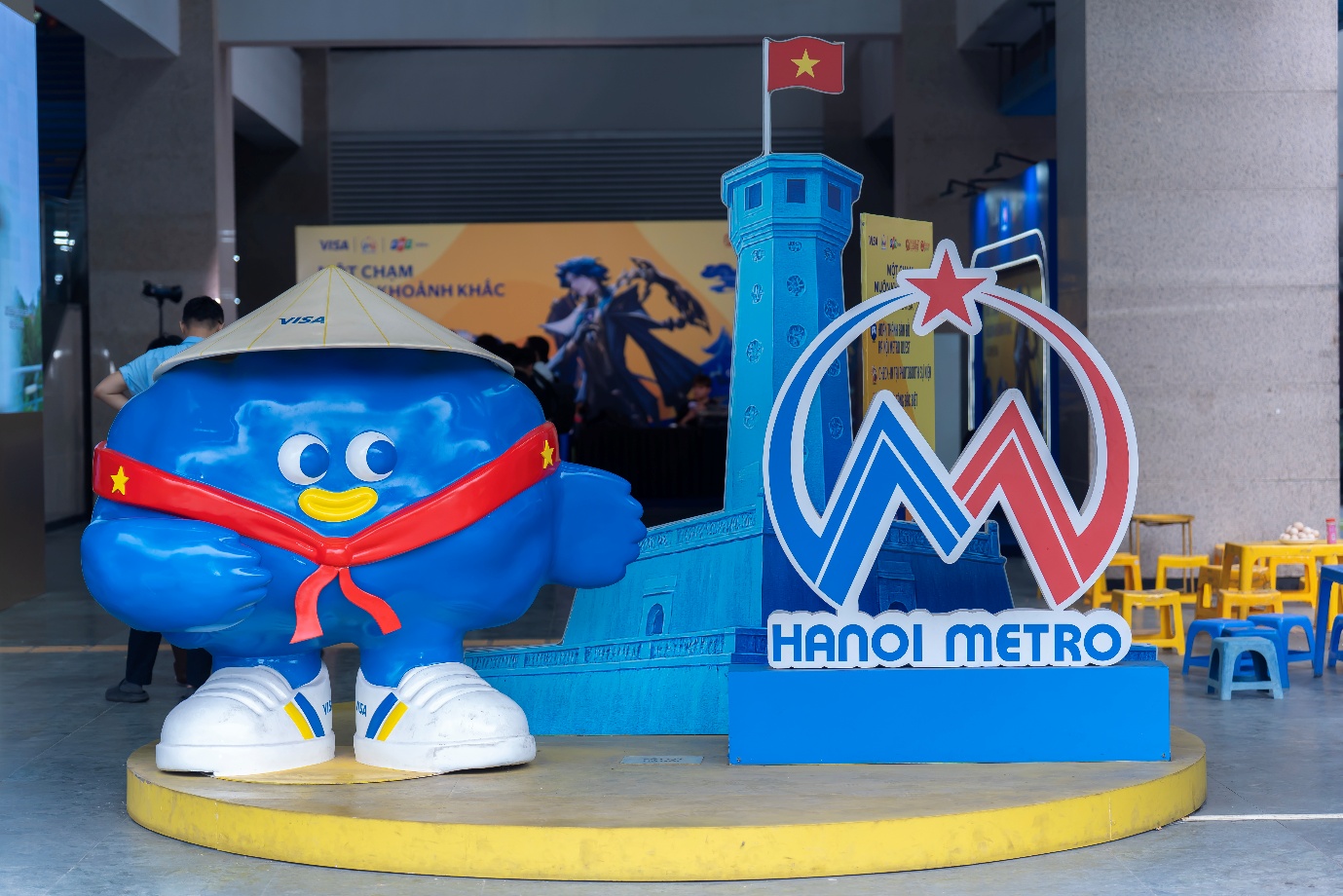 |
Vee mascot at Cat Linh station. Photo: BTC |
The seminar was held as part of the closing festival for "Hanoi Metro Esports 2026 - One Tap, Many Moments" week, organized by Visa in collaboration with Mobile Legends: Bang Bang (MLBB), FPT Online, and Hanoi Metro. The series of events offered an esports experience combined with contactless payment technology across five key stations in Hanoi from 11/5 to 14/6.
Thanh Thu