Currently, the material and non-stick coating of cookware are becoming increasingly important to consumers. Many people are starting to understand the differences between various non-stick coatings, from traditional PFAS to ceramic. This shift partly stems from discussions related to PFAS—a group of chemicals once widely used in food contact products.
According to research from the 1960s by the US Food and Drug Administration (FDA), an agency of the US Department of Health and Human Services, PFAS was permitted for use in many food contact products. PFAS allowed for food contact typically falls into four application types: non-stick coatings; gaskets for food processing equipment; manufacturing aids; and grease-resistant agents for paper food packaging. In the household appliance industry, this substance is often likened to a plastic due to its durability, resistance to decomposition, and ability to create an effective non-stick coating.
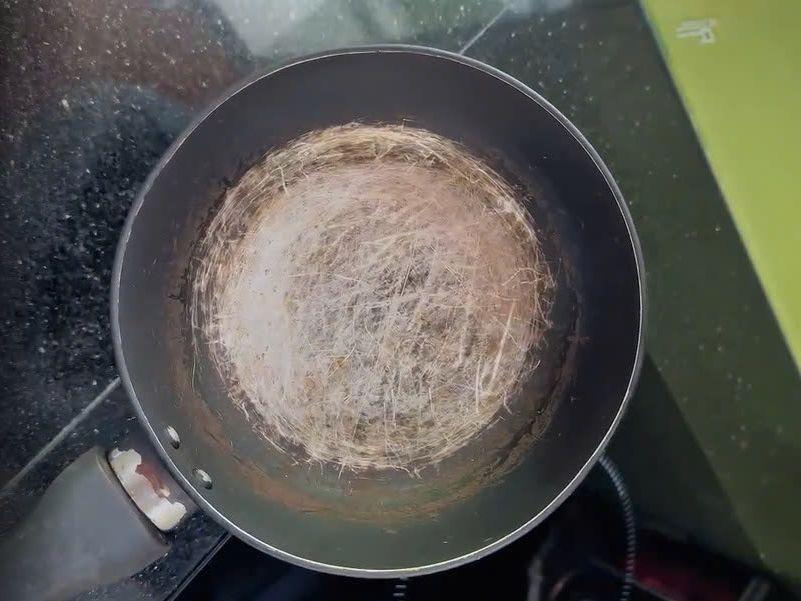 |
Traditional non-stick pan with peeling coating. Photo: Elmich Viet Nam |
However, in recent years, this group of materials has garnered greater attention from researchers and global consumers. The US Agency for Toxic Substances and Disease Registry (ATSDR) refers to PFAS as "forever chemicals" due to their persistence in the environment and resistance to decomposition over time. Some ATSDR studies also raise concerns that prolonged PFAS exposure may be linked to immune effects, endocrine disruption, cholesterol issues, liver function problems, and accumulation in the body.
Experts state that non-stick coatings remain stable under normal use. However, risks can emerge when pans are heated to excessively high temperatures, used for extended periods, or when the non-stick surface peels or scratches. Consequently, instead of focusing solely on non-stick performance or price, consumers are paying more attention to the constituent materials and their safety when in direct contact with food.
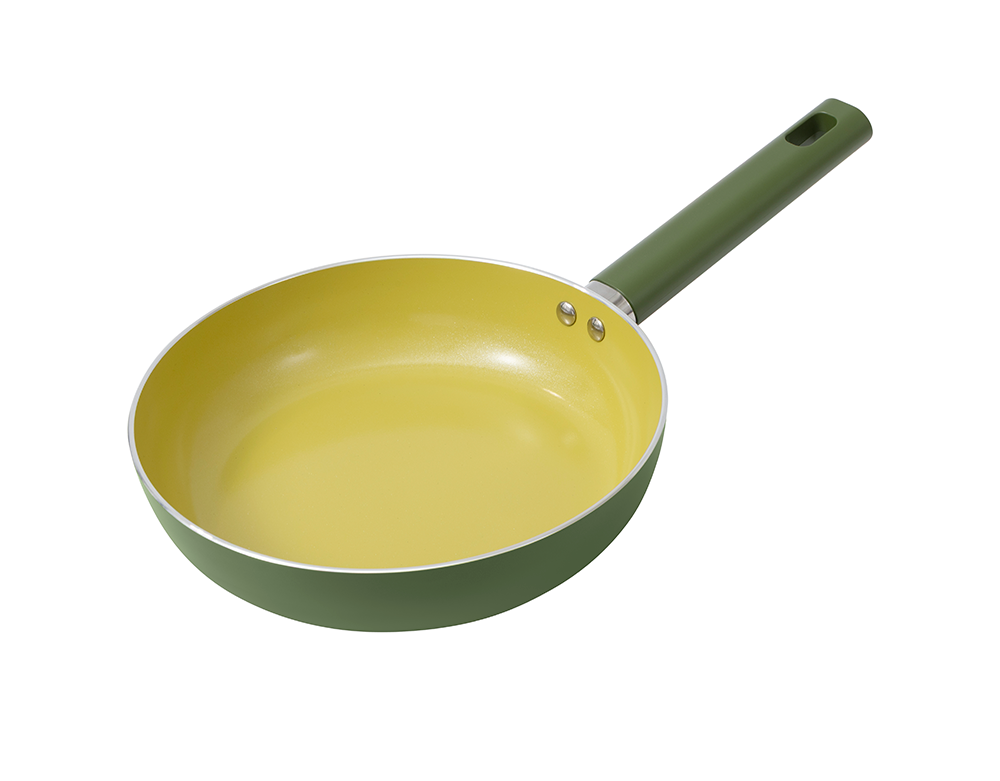 |
Ceramic non-stick pans are made from sand, which is safe for users. Photo: Elmich Viet Nam |
Alongside changes in consumer habits, ceramic pans are gaining traction as an alternative in modern kitchens. In its guide to choosing safer cookware, the independent testing organization Consumer Reports advises consumers to consider ceramic pans as an alternative to non-stick products using PFAS. The organization also states that its tests show many ceramic models perform well in practical use. Additionally, being made from silicon-based materials and not using PFAS compounds in their non-stick coating, ceramic pans are seen as an alternative for those who wish to limit exposure to these chemicals in daily life.
"This is also why ceramic pans are increasingly popular among young consumers, who are more concerned about product composition, food contact safety, and long-term quality of life", according to scientific research, a representative from Elmich Viet Nam stated.
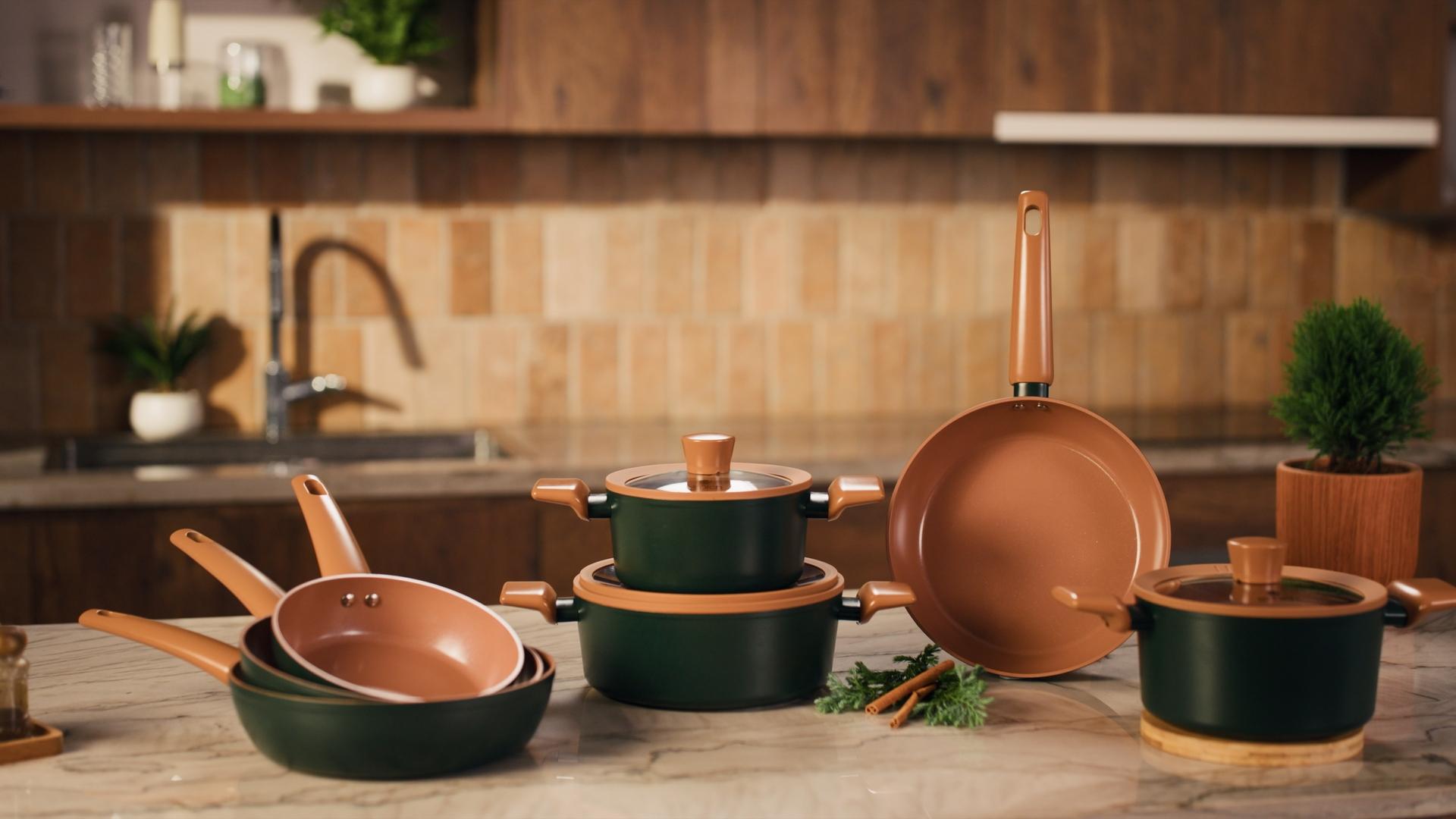 |
A set of ceramic pots and pans in a family kitchen. Photo: Elmich Viet Nam |
Currently, Elmich Viet Nam offers several lines of ceramic pans aimed at consumers concerned with health and safety in cooking. These products use a ceramic non-stick coating, free of PFAS in its structure, providing users with more peace of mind during food preparation. In addition to their non-stick capability, the pans are designed for even heat distribution, supporting efficient cooking and limiting the amount of oil used.
Hai My