The profession of "death doula" is gaining recognition. These professionals offer psychological, spiritual, and practical support to individuals nearing the end of their lives, as well as to their families.
While birth doulas help bring new life into the world, death doulas alleviate emotional pain, helping individuals conclude their human journey peacefully, with dignity intact until the very last moment.
Drawing from their experiences with clients and their families, death doulas share six essential insights into this final stage of life.
Death can be peaceful
Death is a natural experience that the human body is programmed to undergo.
Diane Button, a lecturer at the University of Vermont and an expert in palliative care and a death doula, notes that the human body possesses an inherent instinct, knowing how to initiate life and also having its own mechanisms to conclude that journey. For many with terminal illnesses, death sometimes offers release from a suffering body.
She observes that when facing their final moments, few regret unfulfilled travels or unearned money. The greatest regrets often involve unspoken sentiments to loved ones. "If a person is content with their life, the moment of passing will be gentler", Diane Button states.
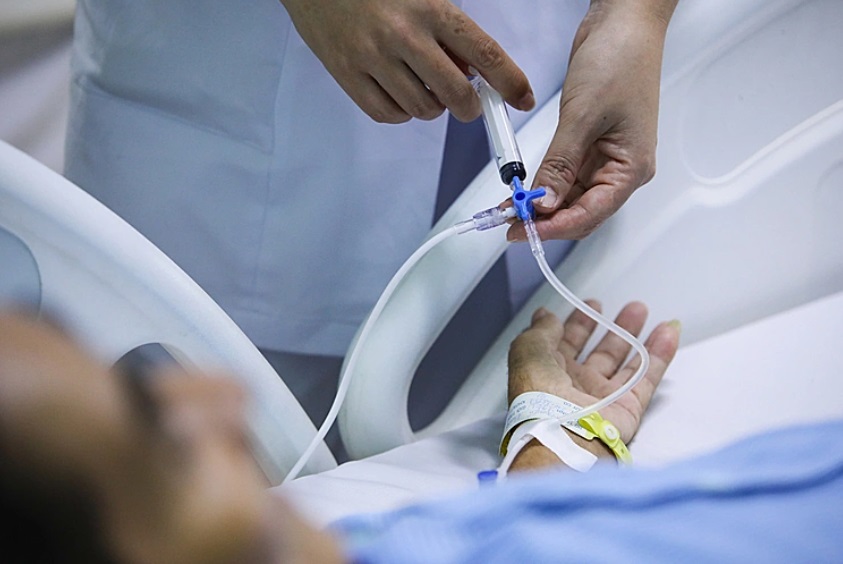 |
Illustration: Thu Hang |
Medical support helps alleviate pain
Button notes that many people remain haunted by the painful passing of relatives decades ago. As organs gradually cease functioning and affect brain activity, patients often enter a state of 'terminal agitation', exhibiting behaviors such as scratching at clothes or bedsheets.
Using supportive medication can make the final journey more peaceful for both the patient and their family.
According to Jill Schock, founder of Death Doula LA, timely medical intervention helps patients relax, regain comfort, and maintain a stable state as they pass.
It is also normal for patients to stop eating and drinking, as the body no longer requires energy. Forcing food during this period can sometimes add unnecessary pressure to the patient.
The "rallying" phenomenon
Many patients experience a sudden burst of energy and lucidity a few days before they pass. They may become alert, ask for food, or converse as they did before their illness.
Family members often mistake this for a sign of recovery. However, it is the body's final preparation, becoming a "golden opportunity" for families to connect and create lasting memories.
The ability to see deceased loved ones
Many experts observe the phenomenon of patients seeing or calling out the names of long-deceased loved ones.
Whether considered a medical hallucination or a spiritual belief, experts advise family members to listen to and respect this experience rather than deny it, as it offers a sense of welcome to the departing individual.
Hearing is the last sense to cease functioning
Approximately 48 h before passing, patients often become unconscious, and their breathing may become labored due to a lack of strength to clear their throat. However, hearing persists until the final moment.
Button once witnessed an unconscious, dying person smile upon hearing the voice of a loved one. "Letting them know you are by their side and allowing them to pass peacefully is incredibly important", the expert states.
Facing death early makes life more meaningful
Thinking about death while living is not an ill omen, but a way to reduce fear.
Button observes that most people ponder whether they have loved fully, what mark they have left on the world, and if their life has meaning. The expert encourages everyone to imagine themselves in their final moments to truly understand what is important to them right now.
"Remember that you are still alive and always have the opportunity to create valuable moments every day, until your very last breath", she says.
Nhat Minh (According to Washington Post)