In 2024, Sarah Dallas graduated with a PhD in Bioengineering from the University of Edinburgh, Scotland. At that time, her student debt totaled £76,000, covering both the initial loan and interest.
Over 16 months, Sarah submitted more than 200 job applications for various positions, ranging from entry-level to senior specialist roles, and even unpaid internships. Around 90% of employers did not respond. Of the remaining 10%, she secured three interviews, all resulting in rejection. The feedback cited her as "overqualified" for junior positions but "lacking experience" for more senior roles. "Being constantly rejected made me feel trapped in a black hole", Sarah Dallas said.
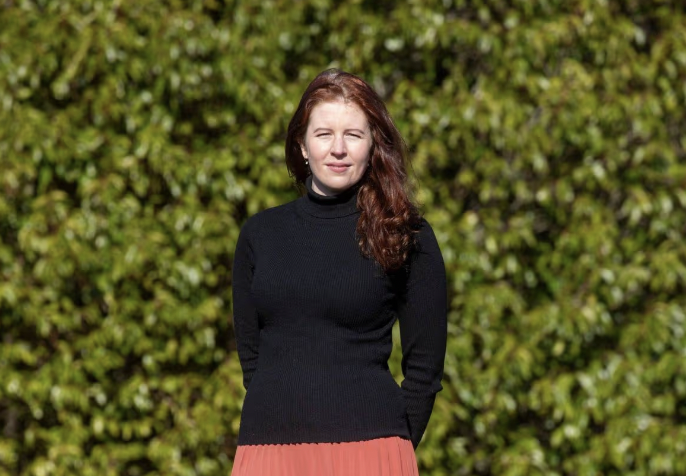 |
Sarah Dallas in Scotland. Photo: Mirror |
To sustain herself, she worked as a freelance editor for a scientific journal, earning £600 each month, and took out an £8,000 overdraft. It was not until late 2025 that she secured her first full-time job as a laboratory technician, with an annual salary of £28,500.
Currently, her primary income is about £1,800 per month. However, her essential expenses, including rent (£1,025), bills (£500), and overdraft repayments (£300), total £1,825.
Sarah must continue freelance work for about 40 hours each month. This supplementary income of £600 helps her cover food, travel costs, and save £50. She stated that she pays £37 per month towards her student debt, having only repaid £95 to date.
"I did not envision my life at the age of 32 to be like this. My main income is entirely consumed by bills, and only my extra freelance work allows me to get by", she revealed.
The paradox of being "overqualified but lacking experience" is a common challenge for many PhD holders in the UK. According to a survey cited by Times Higher Education, 42% of PhD graduates in the country continue to work in academia one year after graduation. The remainder transition to the corporate sector but encounter barriers due to their lack of prior work experience.
The OECD's 2025 "Adult Skills" report also indicated that the UK has one of the highest proportions of overqualified workers in the bloc, at approximately 37%. This discrepancy results in their average income being 18% lower compared to those employed in roles matching their qualifications.
Dr. Isaiah Hankel, a career consultant and author of The Power of a PhD, suggests that the barrier is not the degree itself, but how candidates position themselves. He noted that many PhDs write CVs with a research focus, whereas businesses require concise summaries highlighting skills such as teamwork, problem-solving, data analysis, and project management.
He advises job seekers to quickly gain practical experience through short-term projects, internships, freelance work, or volunteer activities. Acquiring real-world experience over a few months can help bridge the experience gap that employers often cite.
Ngoc Ngan (According to Mirror)