Many individuals have required rabies vaccinations due to injuries sustained from certain interactions with their pets, according to Doctor Nguyen Tien Dao, Medical Manager at VNVC Vaccination System. These incidents often stem from hugging pets too tightly, starving them, or playing excessively. For example, Minh Tam (30 years old, TP HCM) was playing with his cat and held it under his arm, causing the animal to struggle, bite him, and tragically die from suffocation. He needed antiserum and five doses of rabies vaccine. In another case, a 40-year-old woman was bitten by her dog after starving it for several days, requiring five vaccine doses.
Dogs and cats, being warm-blooded animals, can exhibit hunting instincts, territorial defense, or aggression when encountering specific situations. Understanding these triggers is key to preventing attacks.
**Excessive Teasing**
While dogs and cats enjoy being petted and playing, their tolerance has limits. When excessively teased, they can become agitated, feel unsafe, and display warning signs. These include puffed tails, flattened ears, growling, or attempts to bite or scratch. If these signs appear, it is important to stop immediately to avoid the risk of bites, scratches, and potential rabies virus exposure.
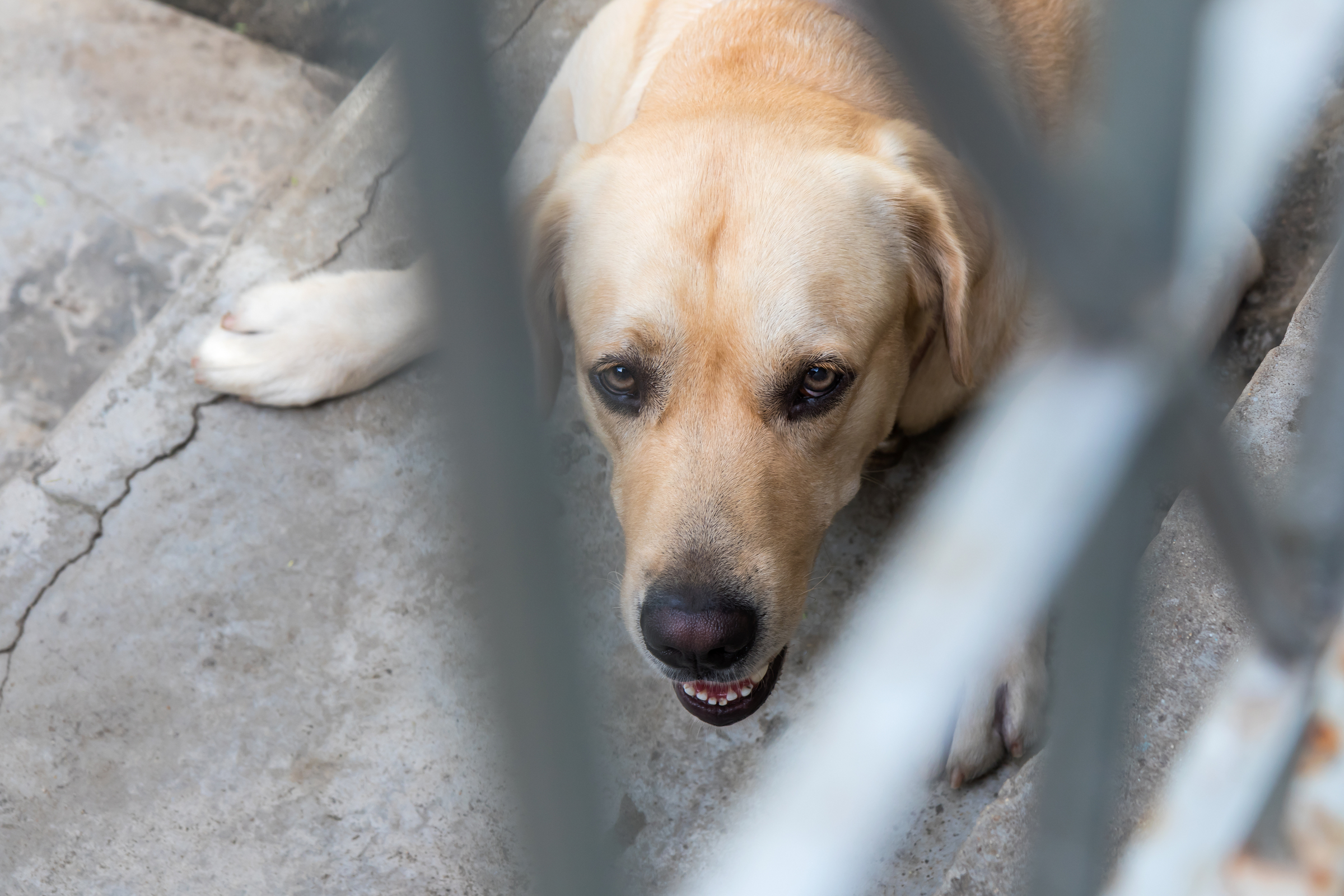 |
Pets confined for too long can become stressed and more aggressive. Photo: Vecteezy |
**Touching Sensitive Areas**
Areas like the nose, ears, abdomen, paws, and especially the tail are highly sensitive, containing numerous nerve endings. When touched or grabbed forcefully, dogs and cats can be startled, feel pain, or become frightened. They may react by fleeing or biting and scratching. If pets strongly wag their tails, puff up their fur, bare their teeth, or growl, it is advisable to keep a distance and avoid direct eye contact to minimize the risk of an incident.
**Starvation**
Prolonged starvation not only causes dogs and cats to suffer from hunger and cold but also makes them feel lonely and afraid, easily leading to aggression. Starved pets may experience weakened immunity, contract parasitic diseases, wander and encounter rabies sources, suffer accidents, or be stolen. When food is reintroduced, their instinct to compete for food can make them more aggressive.
**Prolonged Confinement**
Dogs and cats naturally enjoy exploring, exercising, and socializing. Being confined or chained for too long causes them stress, leading to aggression, manifested by excessive barking, howling, and scratching. When released, they might bite the first person they encounter. Therefore, pets should be taken outside regularly for relaxation and exercise.
**Proper Pet Care and Disease Prevention**
To properly care for pets, owners should provide adequate meals with suitable nutrition. Regular exercise and walks help reduce stress and maintain their health. Keep their living area clean, and bathe and groom them regularly to prevent skin diseases. Take pets for veterinary check-ups and ensure they receive all recommended vaccinations. Most importantly, dedicate time for affection and play so they feel secure and bonded.
For families with pets, rabies prevention is crucial. This disease has a nearly 100% fatality rate once symptoms reappear. The virus, present in the saliva of infected animals like dogs and cats, can spread to humans through bites, scratches, or by licking open wounds or mucous membranes of the eyes, nose, or mouth.
The rabies incubation period depends on the location, nature, and number of bites, as well as the viral load entering the body. The incubation period is shorter if the bites are deeper, more numerous, or closer to the central nervous system, such as the head, face, neck, or fingertips and toes.
If bitten or scratched by a pet, owners should clean the wound by: washing it thoroughly under running water and soap for 15 minutes, then disinfecting with 45,70% alcohol or iodine alcohol to minimize the amount of rabies virus at the wound site. Afterward, individuals must immediately go to a medical facility for wound treatment and consultation regarding rabies vaccine and antiserum if necessary. It is crucial not to cover the wound tightly or treat rabies with traditional herbal remedies or folk cures.
 |
Adults receiving rabies vaccine for disease prevention at VNVC Vaccination System. Photo: Dieu Thuan |
Currently, Vietnam uses two types of rabies vaccines: Verorab (France) and Abhayrab (India). The vaccination schedule consists of five doses on days 0, 3, 7, 14, and 28 (intramuscular injection) or eight doses on days 0, 3, 7, and 28 (intradermal injection, two doses each time). If the wound is severe, close to the central nervous system, or the animal shows signs of rabies or cannot be monitored, doctors will prescribe additional rabies antiserum along with the vaccine.
Pet owners at high risk of rabies exposure can receive pre-exposure rabies vaccine. The schedule involves three doses on day 0, 7, 21, or 28, administered intramuscularly or intradermally. If a complete rabies vaccination course has been previously received, or full pre-exposure prophylaxis has been administered, two doses on day 0 and 3 are required via intramuscular or intradermal injection after a dog or cat bite, without the need for antiserum.
Individuals who previously did not complete the full vaccination course, received only one dose, do not recall their vaccination schedule, or have immunocompromised conditions despite full vaccination, must restart the entire vaccination course and receive rabies antiserum if required by a doctor after a dog or cat bite. If a complete course of older-generation vaccine was previously administered, a full new course is still necessary when receiving a new-generation vaccine.
Dieu Minh