According to the UK consumer magazine Which, the most common mistake people make is not allowing athletic wear to "breathe" before washing.
Rebecca Jakeman, an expert at Which, notes that tossing sweaty clothes directly into a hamper or washing machine prevents sweat from evaporating. This allows bacteria and odors to accumulate, forming a difficult-to-clean residue. She states, "The result is that even if your gear looks clean after washing, it will immediately emit an odor as soon as your body heats up during a workout."
Workout clothes are designed for high absorbency, meaning oils and bacteria can penetrate deeper into the fabric fibers than with regular clothing. Here are principles to keep your athletic wear fresh and vibrant:
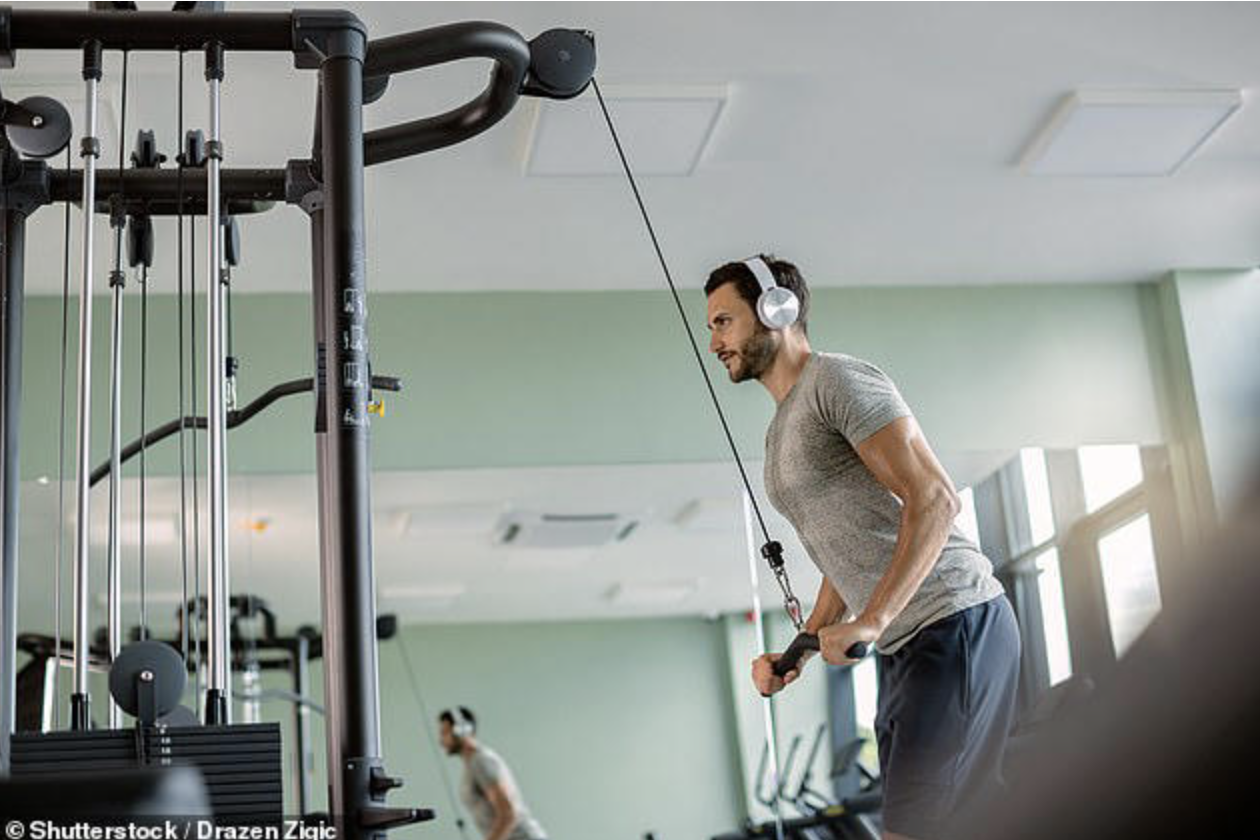 |
Workout clothes are often soaked with sweat after exercise, but should not be washed immediately to prevent odors. *Shutterstock* |
**Turn clothes inside out before washing**
This ensures that the fabric directly exposed to your skin (where most sweat, bacteria, and deodorant residue accumulate) receives maximum friction from water and detergent, allowing for a thorough clean.
**Sort laundry**
Wash athletic wear with similar synthetic materials. Sports apparel is sensitive to friction. Nike, the sports brand, recommends separating workout clothes from jeans or garments with zippers and hard buttons to prevent fabric abrasion. Never wash them with towels or bed sheets, as these items are coarse and require high-temperature washing.
**Use half the amount of detergent**
Using too much detergent creates a residue that traps bacteria within the clothes. This soap residue, combined with body heat when you re-wear the item, creates a perfect environment for odors to reappear. Use only half the normal amount of detergent. For heavily soiled items, soak them in a mixture of cold water and white vinegar for 30 minutes before washing.
**Say 'no' to fabric softener**
The softening agents in fabric softener create a film that coats fabric fibers, blocking air vents and trapping oils and bacteria inside. Most athletic wear labels advise against using this product.
**Wash in cool water and avoid the dryer**
Washing on a synthetics or athletic wear cycle with cool water is the optimal choice. The ideal temperature is 20-30 degrees C. Absolutely avoid hot water and tumble dryers, as high temperatures will "cook" and break down elastane fibers (the material that provides stretch), causing clothes to lose their shape. Air dry garments in a well-ventilated area.
By Minh Phuong (Based on Dailymail, Southernliving)