Home workouts have become a popular choice for their flexibility and privacy. Beyond suitable attire, equipment, and exercise routines, air quality significantly influences the effectiveness and overall quality of these sessions.
According to air quality data platform IQAir, breathing rates increase sharply during exercise, particularly high-intensity workouts. Lungs can process up to 90 liters of air per minute, a significant rise from the 6 liters inhaled at rest. If the air is unclean or poorly ventilated, the body can absorb up to 18 times more fine dust and CO2 per minute than under normal conditions.
These pollutants hinder oxygen absorption by muscles, making deep breathing difficult for exercisers and causing shortness of breath during workouts. Prolonged exposure can impair lung function and overall endurance.
A study published in ScienceDirect in 2023 corroborated these findings, noting an increased incidence of lung and respiratory issues among individuals engaging in high-intensity exercise while exposed to pollutants. The research highlighted the importance of air quality solutions, such as filtration and ventilation systems, for enhancing workout effectiveness.
Conversely, maintaining clean and well-ventilated air reduces the strain on both the respiratory and cardiovascular systems, allowing the body to sustain a more stable exercise rhythm during high-intensity workouts.
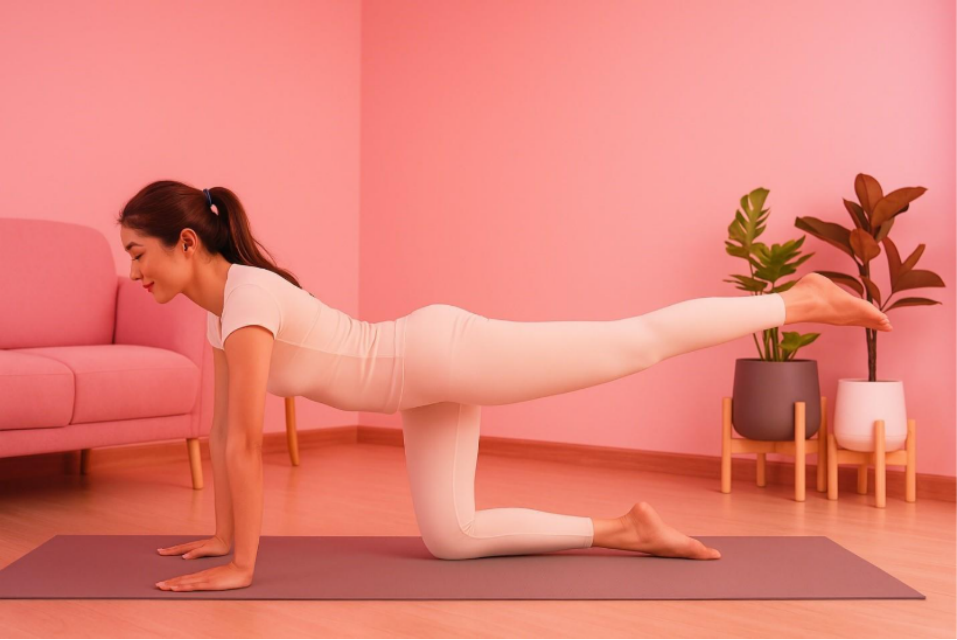 |
Many people choose to exercise at home for flexibility and control over their time. Photo: Daikin Vietnam |
Building on this understanding, several technological solutions are emerging to offer a more holistic approach to home workouts, specifically by adjusting air conditions to suit each exercise phase.
The Daikin Air Creator ecosystem exemplifies this approach, featuring a Fitness Air Card mode tailored for physical activity. Users can utilize the Daikin Air Select application to configure an optimal air environment based on their daily, weekly, or monthly workout schedule. This integrated system, comprising an air conditioner and an air purifier with aroma diffusion, automatically adapts the air environment to each distinct workout phase.
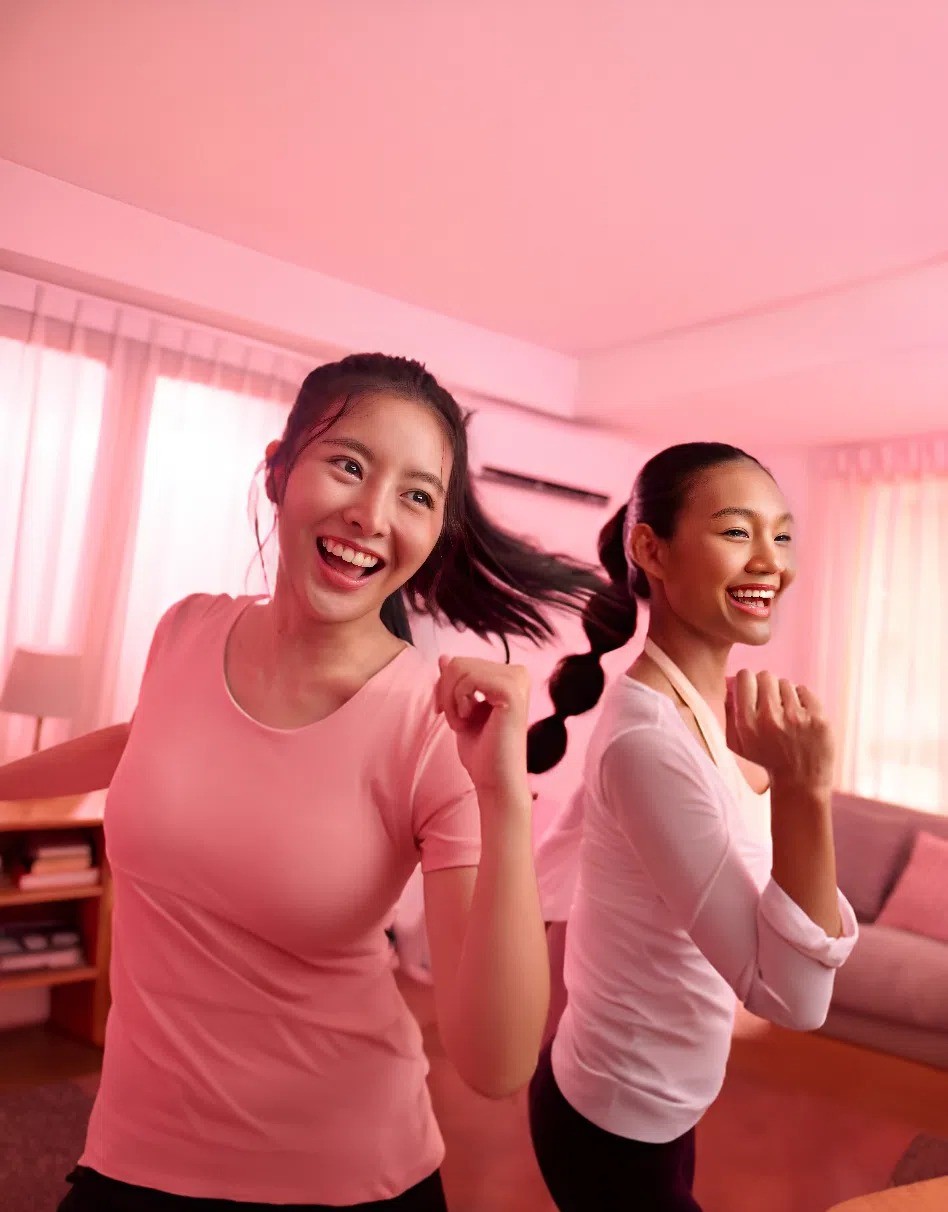 |
Users experience more comfort during home workouts with Daikin's air solution. Photo: Daikin Vietnam |
During the warm-up phase, the air purifier and air conditioner collaborate to generate a gently regulated cool airflow. This air disperses evenly throughout the space, avoiding direct blasts onto the body, which helps prevent thermal shock. Combined with diffused essential oils and a soft breeze, the environment becomes pleasant, aiding the body's adaptation before intense activity.
As the workout progresses to the main session, the air environment maintains stability, supporting respiration and promoting a more seamless exercise rhythm. For common exercises like squats, jumping jacks, planks, or running in place, the airy and cool space reduces feelings of stuffiness, thereby improving endurance and the ability to sustain the workout pace.
During the cool-down phase, the air becomes gentler, facilitating body recovery. Concurrently, the air purification mode activates, utilizing streamer and ion plasma technologies to filter odors, inhibit bacteria, and maintain a fresh environment post-exercise.
 |
Users select modes on the Daikin Air Select application. Photo: Daikin Vietnam |
Beyond workout support, Daikin's Air Creator ecosystem provides other specialized modes, including Focus, Chill-out, Sleep, and Custom Aircard, to flexibly accommodate various daily activities and moods.
Many athletes agree that home workouts do not necessitate complex conditions. A comfortable space, a consistent workout schedule, and a pleasant feeling post-session are fundamental for long-term adherence.
The World Health Organization recommends at least 150 minutes of physical activity per week, or 20–30 minutes daily, as sufficient to improve health when maintained consistently.
Hoai Phuong