Dang Thanh, from Binh Son commune, Quang Ngai, has spent 60 years waiting for news and never given up hope of finding his two martyred brothers. Soldier Dang Ngoc Khuyen died in 1964 in Que Son, Quang Ngai, and Dang Ngoc Nghia died in 1969 in the Binh Thuong area, Quang Ngai. "Our family has searched for them for many years, but we still have no results," Thanh stated.
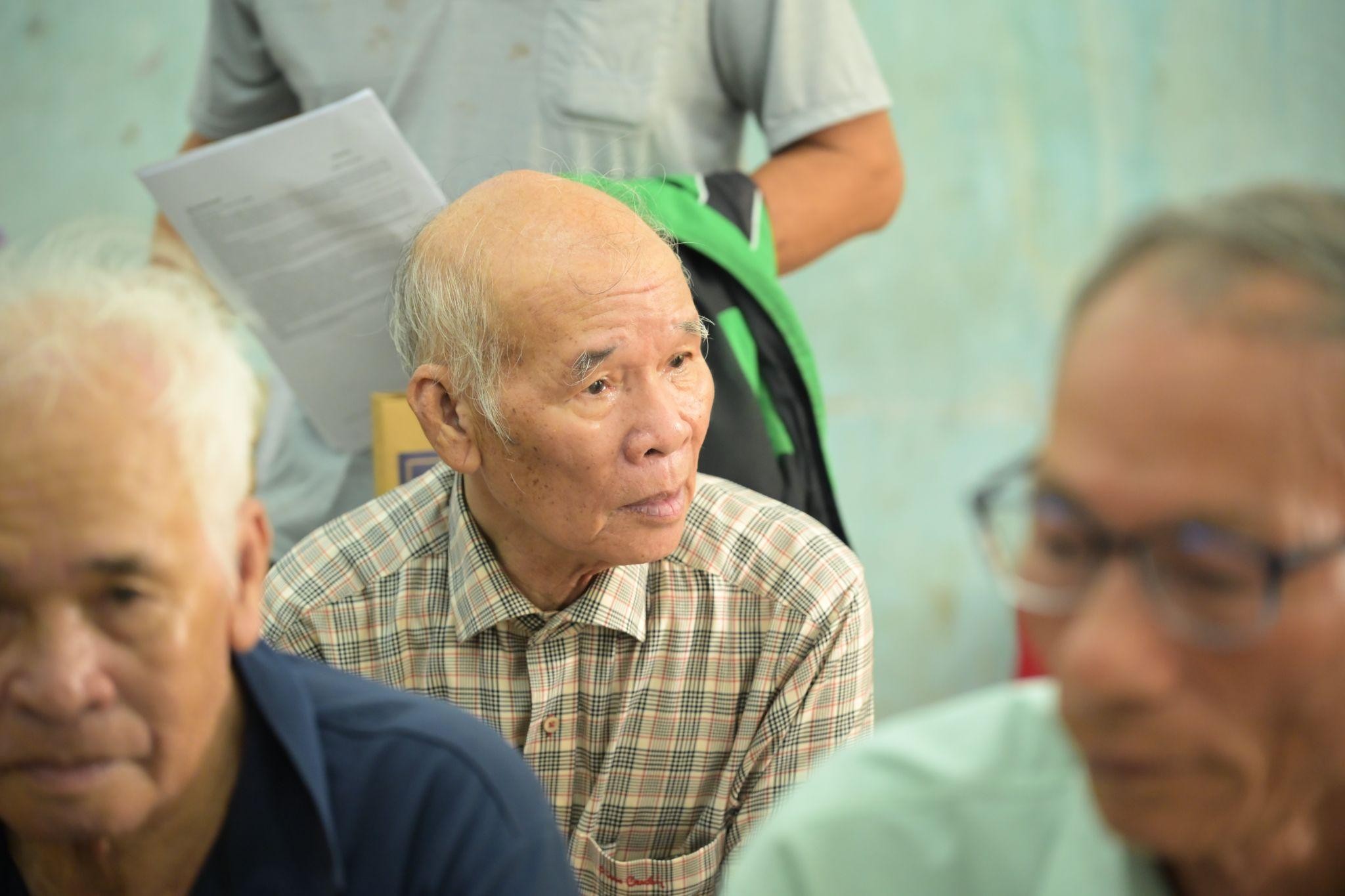 |
Dang Thanh (Quang Ngai) has been searching for information about the remains of his two brothers for decades. Photo: Hoang Khanh
Le Thi Hong's family, also from Binh Son, Quang Ngai, has sought information about her martyred uncle, Le Van Thang, since 1986. He enlisted in 1964 and died in February 1965 in the Binh Dinh battlefield. Hong hopes to find his remains to bring him to the local martyrs' cemetery for veneration. "Every time I visit the cemetery, not knowing where my uncle rests, not being able to offer incense, it pains me greatly," Hong said.
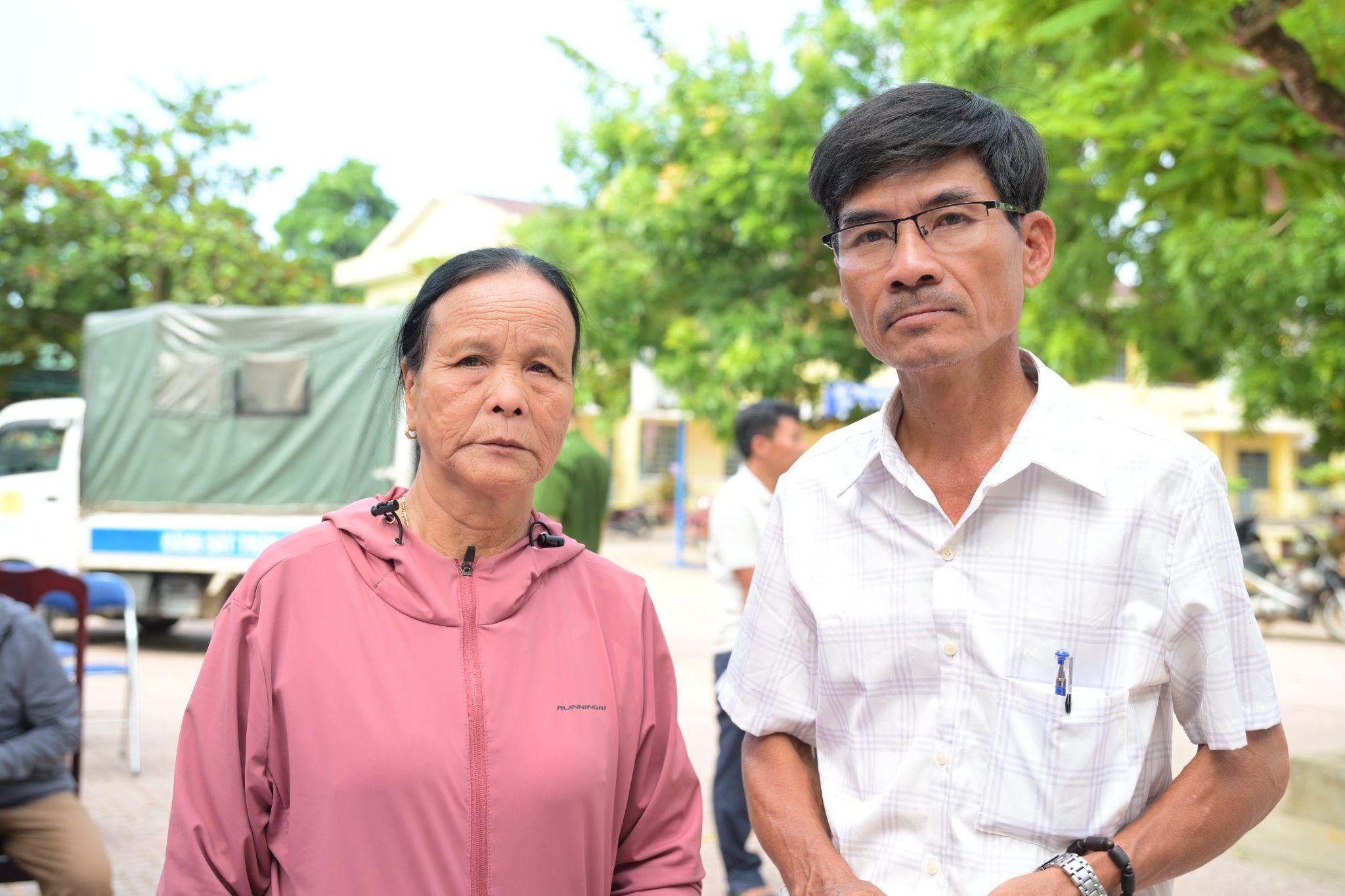 |
Le Thi Hong's family (Binh Son, Quang Ngai) are relatives of martyr Le Van Thang. Photo: Hoang Khanh
Ho Cong Viet's family, from Binh Son, Quang Ngai, also seeks two martyred uncles, Ho Thua and Ho Lua. They died during the resistance war against the American forces for national salvation. His family has searched for years without success.
The families of Thanh, Hong, and Viet represent many Vietnamese families with loved ones who died as martyrs during national liberation, defense, and international duties. According to the National Steering Committee for the Search, Collection, and Identification of Martyrs' Remains (515), approximately 175,000 martyrs' remains are still unfound nationwide, and over 300,000 graves remain unidentified. This search is increasingly difficult due to diminishing information, fewer witnesses, and changing terrain over time.
Leading up to the 80th anniversary of Invalids and Martyrs' Day on 27/7/1947, the National Steering Committee (515) launched the "500-day and night campaign to accelerate the search, collection, and identification of martyrs' remains." This 500-day campaign runs from 15/3 to 27/7/2027.
The campaign sets five key objectives:: to search for and collect approximately 7,000 martyrs' remains; to complete DNA sampling of unidentified graves in martyrs' cemeteries and newly collected remains; to conduct DNA testing on about 18,000 martyrs' remains samples; to build, finalize, and operate a DNA database for relatives of unidentified martyrs to aid in identification; and to accelerate and complete bomb and explosive ordnance clearance to facilitate the search and collection of martyrs' remains in key areas and core regions, such as Tuyen Quang (Vi Xuyen), Lao Cai, Lang Son, and other areas with information about martyrs' graves.
To achieve these objectives, one of the core tasks of the campaign involves collecting DNA biosamples from relatives of unidentified martyrs. This will build a national DNA database, gradually helping to identify remains lacking information.
Last June, the Ministry of Public Security launched a nationwide intensive month for collecting DNA biosamples from martyrs' relatives. As of 9/7, nearly four months into the campaign, over 93,000 biosamples from martyrs' relatives have been collected, with over 53,000 samples synchronized into the database. Additionally, over 11,600 remains samples have been received and stored, with DNA testing and identification of martyrs' remains proceeding urgently.
Each collected biosample not only helps complete the database but also offers another opportunity for those who sacrificed to be identified, allowing their families to welcome them home.
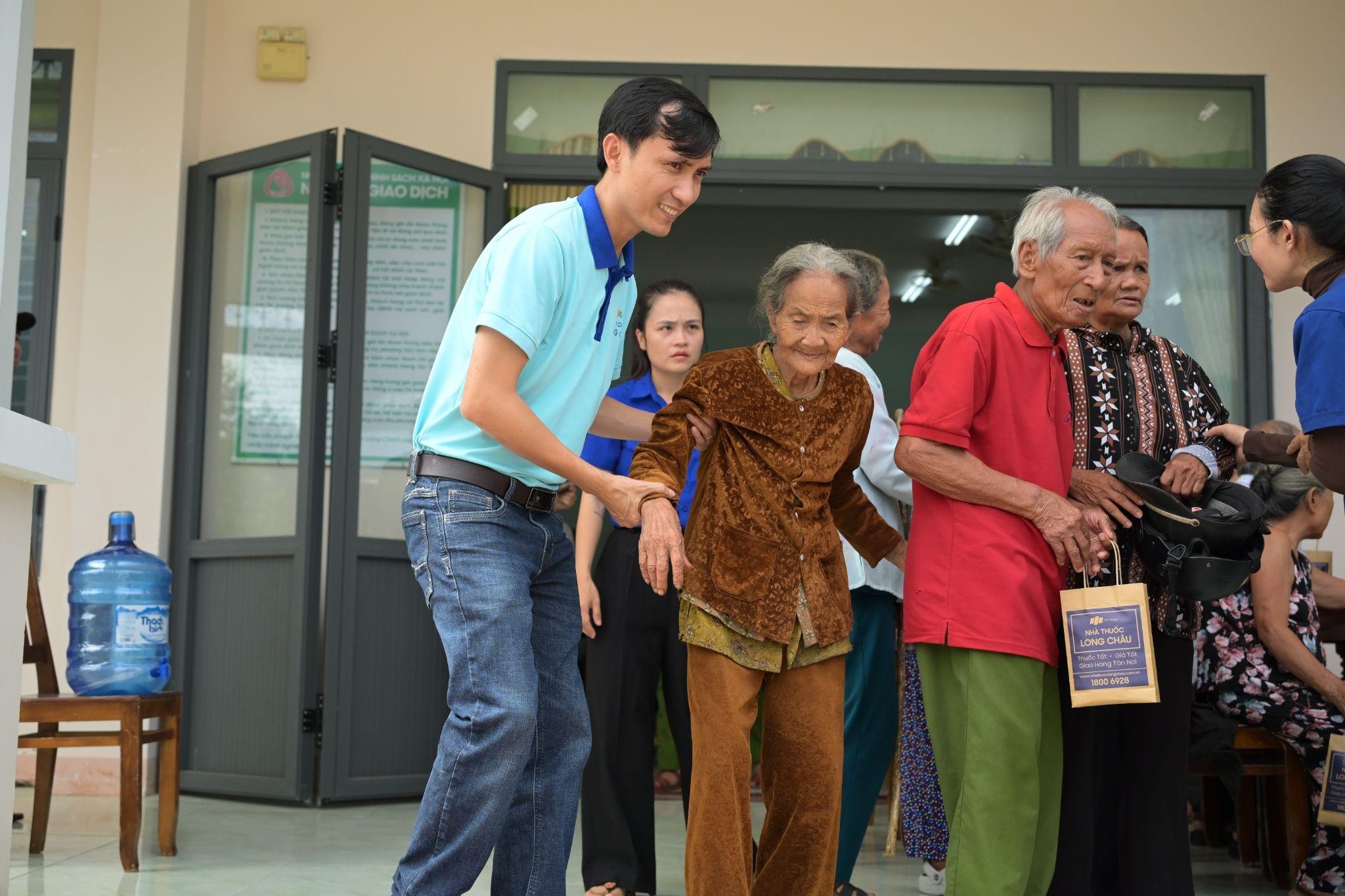 |
Many elderly relatives of martyrs still directly provide DNA samples, hoping to bring their loved ones' remains home soon. Photo: Hoang Khanh
In mid-July, at a DNA collection site in Quang Ngai, Thanh, Hong, and Viet expressed gratitude for the program, which gives them hope of finding information to bring their loved ones back to their families and hometowns. At another collection point, Ho Duy Cuong, from Binh Son, Quang Ngai, escorted his 92-year-old grandmother to the Binh Son Commune Police to provide a DNA sample. For 64 years, Cuong's grandmother has yearned to find the remains of her younger brother, martyr Pham Van Lam, who died in 1962. Bringing the martyr home to his family is her final wish.
For many martyrs' relatives, a DNA sample is more than biological data; it is a belief that one day their loved one will be identified by name, returned to their family, and rest peacefully in their homeland. To ensure a smooth DNA sample collection process, many social organizations, local authorities, and functional agencies are collaborating with the police force.
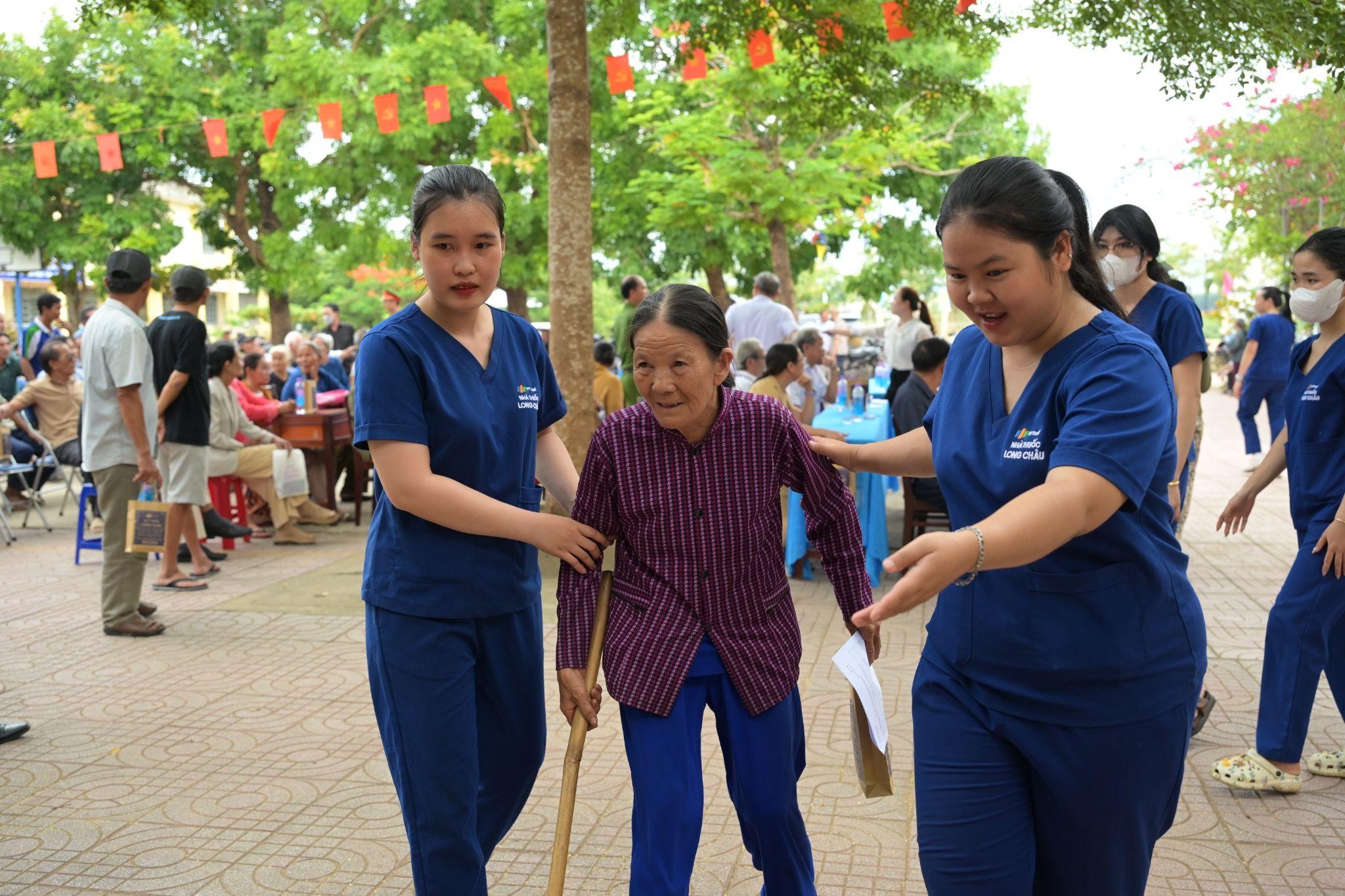 |
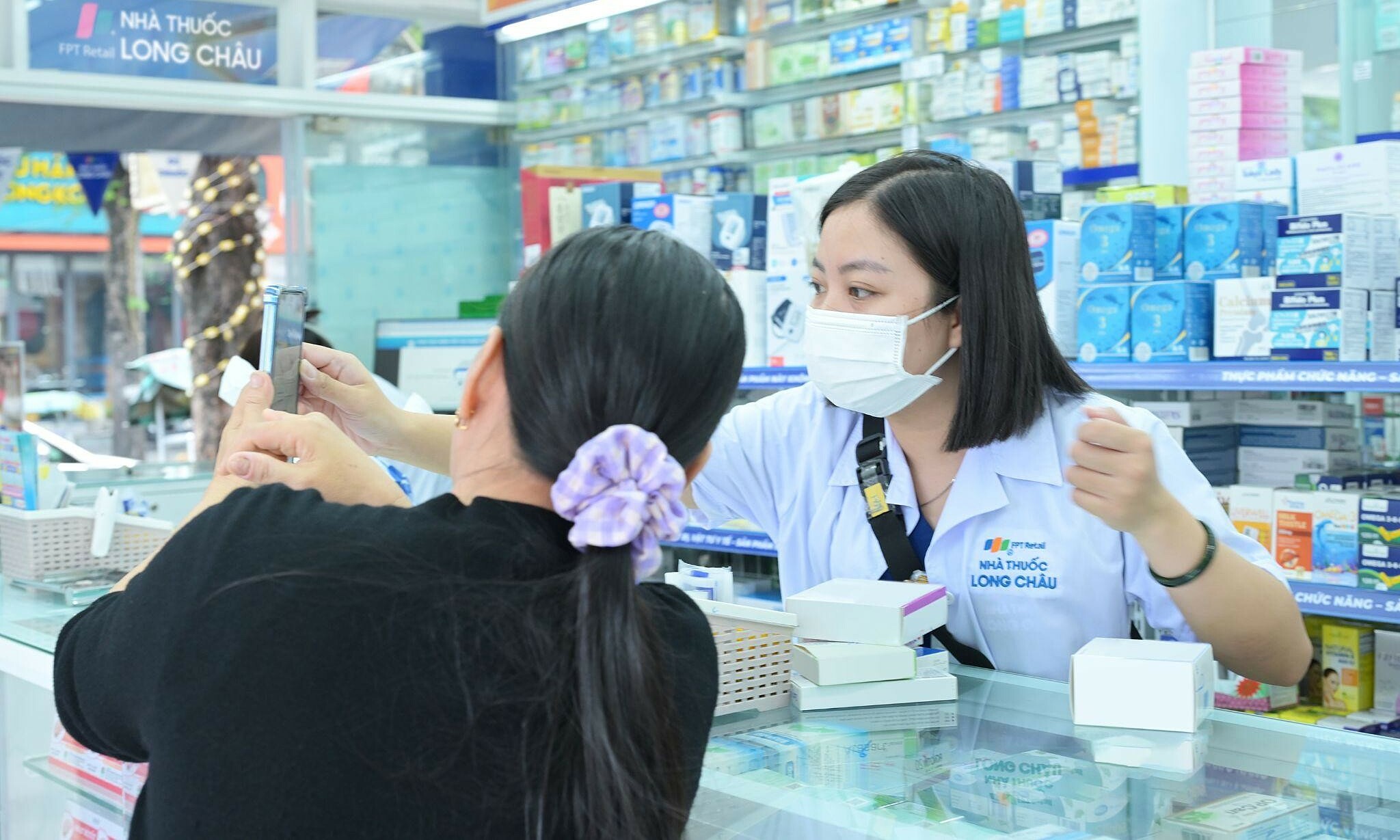
Long Chau medical staff assist martyrs' relatives with DNA sampling in Quang Ngai. Photo: Hoang Khanh
For instance, the Long Chau Pharmacy and Vaccination System provides healthcare, medical consultations, and donates medicine and health products to martyrs' relatives at 17 DNA collection sites. For Long Chau's young medical professionals, this is an opportunity to express gratitude to those who sacrificed for the nation.
Kim Anh