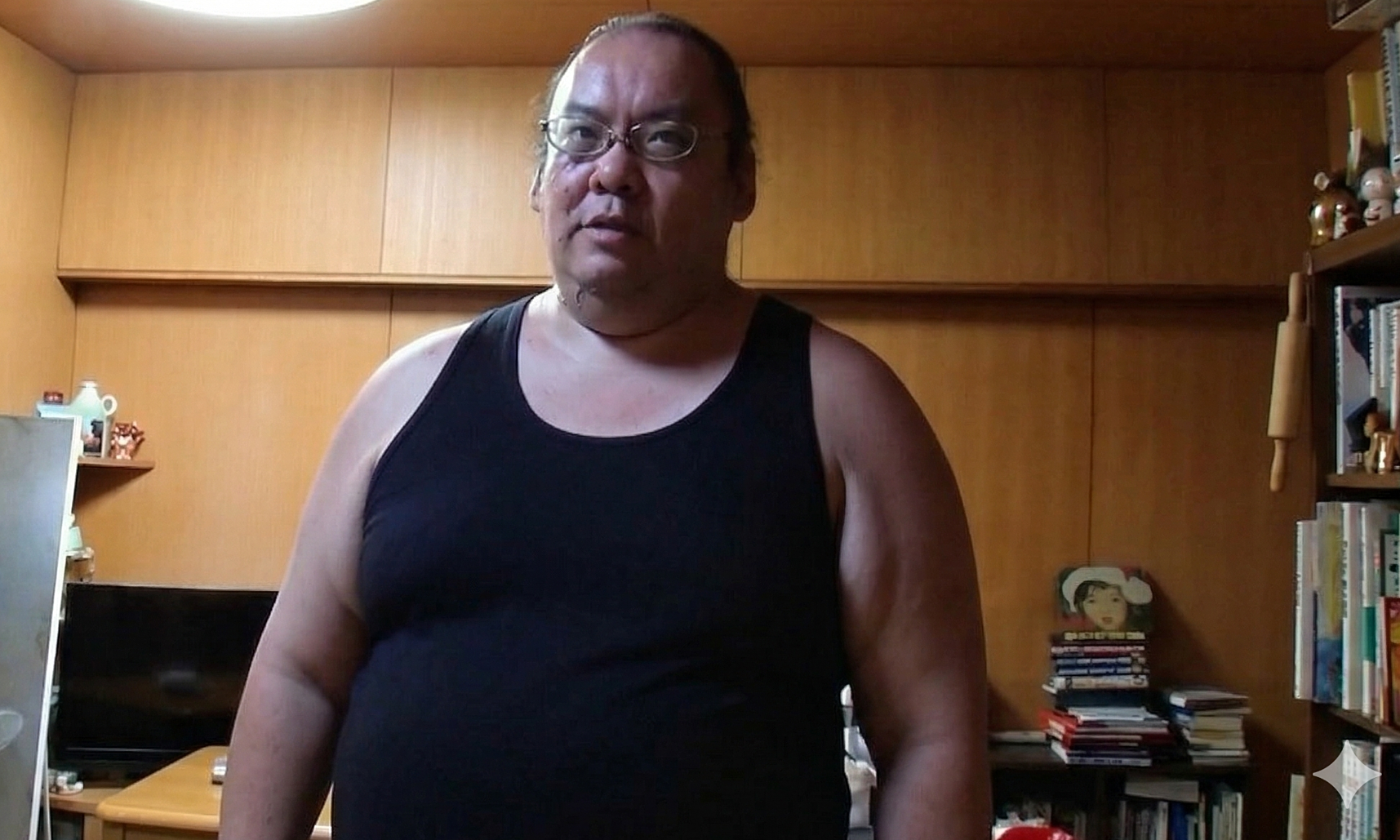
Upon moving into an apartment in Tay Mo ward, Hanoi, in early 2020, David, 41, a South African, found himself tormented by karaoke music. Loudspeakers blared into his bedroom from 6 am daily. Nights offered no respite, with lively neighborly gatherings extending late, causing him constant sleeplessness.
However, what bothered him most was the perceived over-involvement of his neighbors. One evening, while cooking dinner, David was startled when a neighbor casually peered into his kitchen, asking, "What smells so good?". To David, his home was a sanctuary of absolute privacy, a space no one should enter without an invitation.
The questions didn't stop there. Neighbors would inquire if he returned home late from work, or ask why he wasn't working on his days off. Personal questions about his relationships, income, and travel schedule drove him "crazy". "I intended to experience local culture, but I didn't expect such a crisis", the South African man said.
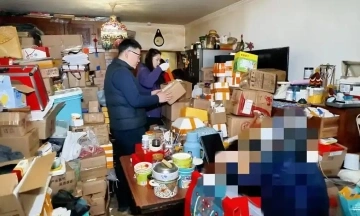
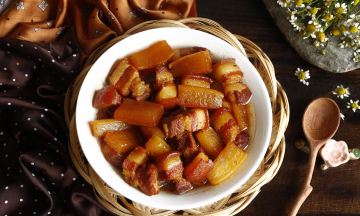
But things took an unexpected turn after David fell seriously ill. Knowing he lived alone, a woman from the same floor, despite not speaking English, brought medicine and a bag of homemade gifts directly to his bedside. His refrigerator gradually filled with cakes, fermented pork rolls (nem chua), and seasonal fruits from his neighbors. "The whole neighborhood rallied to care for me as if I were their relative", he recalled.
This kindness dissolved the barriers. He realized the inquiries were not malicious curiosity but expressions of mutual support. Vietnamese people ask about everything to quickly identify anyone in trouble and offer immediate assistance. "Before, I thought it was excessive attention. Now I've learned to love from these strangers", David shared.
After 5 years in Vietnam, David deeply appreciates the value of neighborly bonds. During holidays and Tet (Lunar New Year), the South African man is no longer an outsider. He eagerly anticipates invitations to neighbors' homes to enjoy local specialties. Once bothered by intrusions, David now feels empty if those around him are away for extended periods.
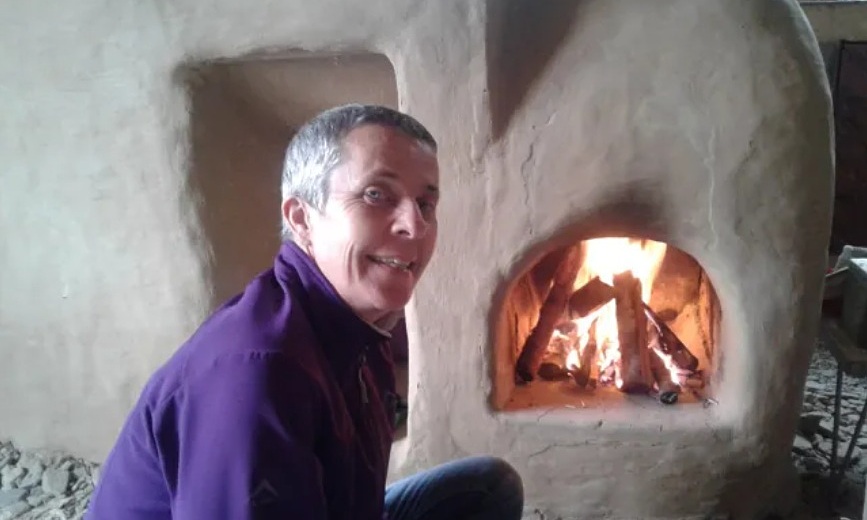
David, 41, a South African, lets his child play with Vietnamese neighbors in a Tay Mo ward apartment complex, Hanoi, 2025. Video: David in Vietnam/TikTok.
Hans, 36, a Briton, shared a similar initial struggle with noise. When he first arrived in Vietnam in 2016, he found it "chaotic". The cries of street vendors at dawn and the constant honking of vehicle horns often startled him.
However, his discomfort faded as Hans embraced the "sidewalk culture" in Ngu Hanh Son ward, Da Nang. He learned to drink draft beer (bia hoi), watched elderly men play Chinese chess, and was most impressed when invited to a death anniversary gathering (dam gio). In Western cultures, funerals or memorials are typically private. In Vietnam, a dam gio is an occasion for neighbors to gather.
"Sitting at the same table with dozens of strangers, I felt an unusual warmth. At the end, I even got a portion to take home like a family member", Hans recounted. He realized that Western privacy sometimes creates distance, while Vietnamese warmth builds strong connections.
David and Hans represent a growing trend of foreigners finding deep connection in Vietnam. The Expat Insider 2025 report by InterNations ranked Vietnam 5th globally as the best destination for foreigners, an increase of 3 ranks compared to 2024. Notably, the "Hospitality" and "Ease of making friends" indices for locals continue to be among the world's leaders.
As of 5/2025, nearly 162,000 foreign workers were living and working across Vietnam, a significant increase from 135,000 in 2023. This demonstrates Vietnam is gradually becoming a second home, a place where expatriates find the community connection that many Western societies increasingly lack.
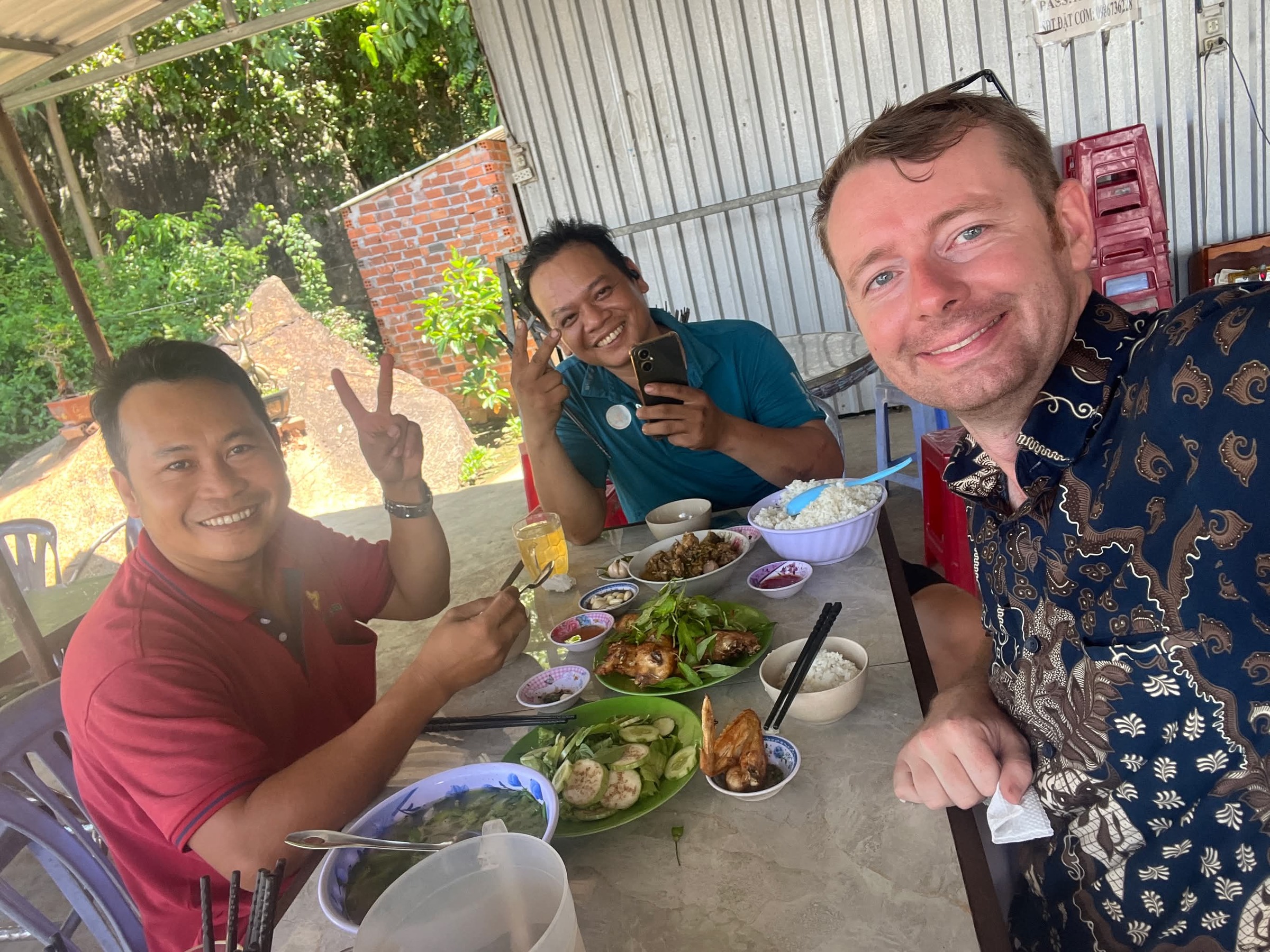 |
Hans (far right), 36, a Briton living in Da Nang, having lunch with Vietnamese neighbors. Photo: Contributed by subject.
Associate Professor, Doctor Pham Ngoc Trung, former Head of Culture and Development Department, Academy of Journalism and Communication, explains that Western culture prioritizes privacy, whereas Vietnamese culture is highly communal.
"Initially, foreigners might feel scrutinized when asked about age or salary. But living long enough, they realize it's genuine care", Mr. Trung said.
The expert noted that in some European countries like Germany, the UK, and the US, depression rates due to loneliness are quite high. Upon arriving in Vietnam, the open sharing of locals becomes a "psychological medicine" for them. Many foreigners now enjoy sitting at sidewalk iced tea stalls, actively asking about their neighbors' personal lives to better understand the culture.
However, the expert also advised that cultural integration must include adherence to common regulations, especially regarding noise levels in residential areas.
Marek, 33, a Briton and another "Western neighbor", now consistently chooses purely Vietnamese residential areas over expat enclaves. He accepts trading absolute quiet for the feeling of not being alone. "In England, neighbors can live next to each other for 10 years and not even know each other's names. Here, when I'm sick, neighbors bring me porridge. These small things keep me in Vietnam", Marek said.
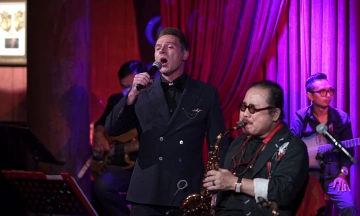
Hans, 36, a Briton living in Da Nang, sings karaoke with Vietnamese neighbors, 2025. Video: Handy Hans.
Nga Thanh