Winter, with its array of scarves, hats, and gloves, often makes losing items more common. According to psychologists, this is a widespread issue that can be overcome with simple strategies.
Daniel L. Schacter, a professor of psychology at Harvard University, suggests that losing items is not necessarily a sign of poor memory. It is, in fact, "a glitch at the intersection of memory and attention".
The brain's memory process involves three stages: encoding, storage, and retrieval. When you toss your keys onto a table while your mind is preoccupied with dinner plans, your brain fails to "encode" that action. This is similar to driving home safely but not recalling which intersections you passed because your thoughts were elsewhere. Since the memory was not formed initially, you cannot later "retrieve" the item's location.
"You need to perform a little cognitive exercise: at the moment you put something down, force yourself to focus", Professor Schacter says.
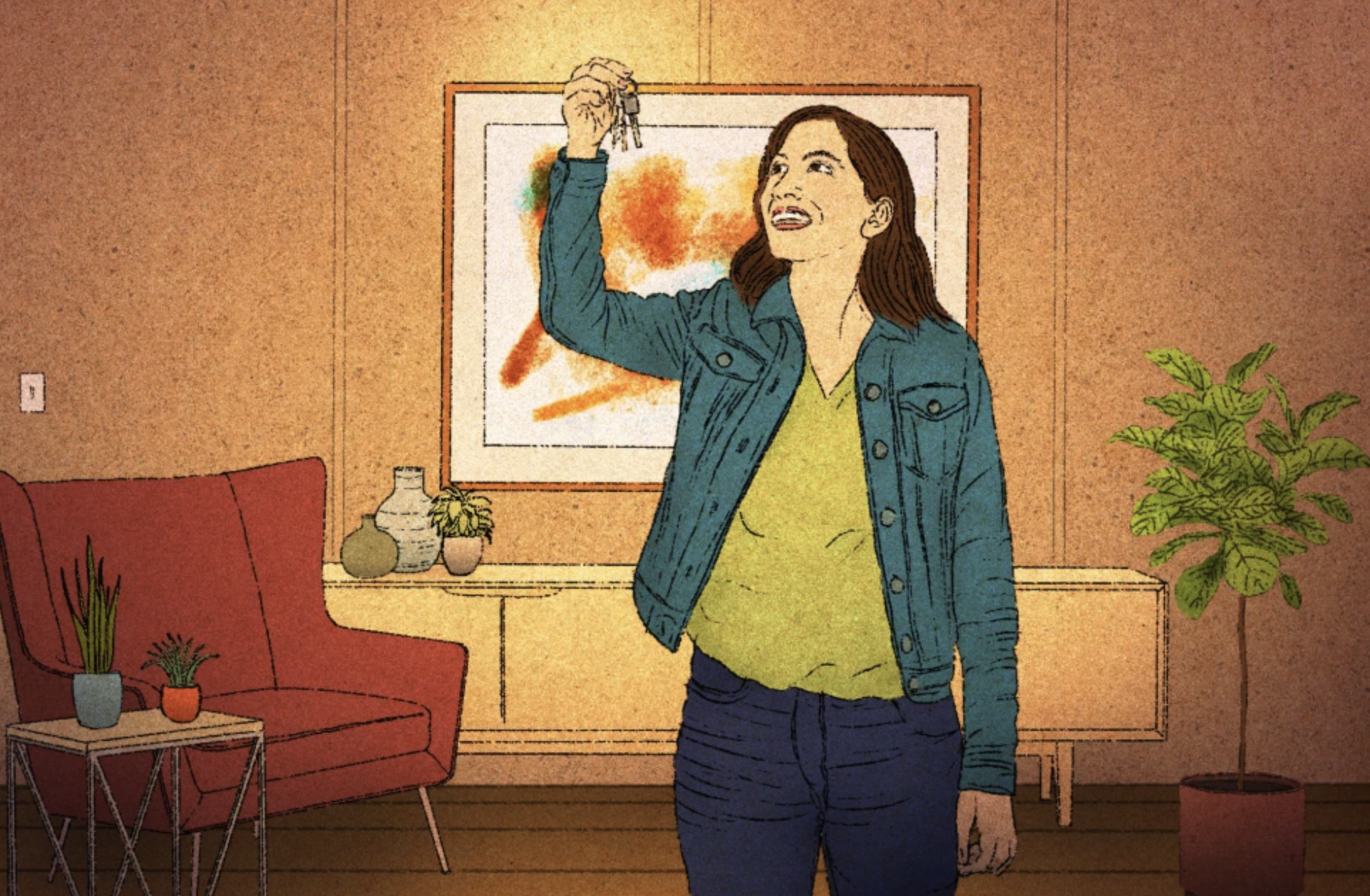 |
Illustration: AP
Here are strategies to stop forgetting:
**For frequently used items: Create 'fixed docking stations'**
The best strategy is to avoid burdening your brain with remembering trivial things. Professor Schacter suggests creating an automatic rule for indispensable items such as keys, wallets, and phones.
Assign a unique location for these items. For example, car keys always hang on a hook by the shoe rack; your phone is always in the right pocket of your backpack. When this action is repeated often enough, it becomes an unconditional reflex, and you no longer expend brain energy trying to remember.
**For infrequently used items: Speak aloud**
Mark McDaniel, an emeritus professor of brain science at Washington University, who has 50 years of research on memory, admits he recently forgot a hat at a restaurant. The reason was that he rarely wears hats, so he lacked the habit of checking for it.
To overcome this, researchers suggest the "elaboration" method. When placing an unfamiliar item down, speak the action aloud. For example: "I am putting the hat under the chair."
"Speaking aloud helps you encode information better because it forces you to pay attention. The sound of your voice also creates a richer memory, making it easier for your brain to trace later", Professor McDaniel explains.
**The 'memory palace' technique**
This is an advanced method often used by memory athletes. Link the item's location with a specific story or reason.
Instead of just tossing a hat onto a chair, think: "I'm putting the hat under the chair to avoid grease on the table, but last time I forgot it here." The connection between the image, reason, and consequence will create multiple neural links, helping you easily recall the item's location when you get up to leave.
Minor forgetfulness is normal. However, Professor Schacter notes that if the incidence of losing items increases dramatically compared to before, accompanied by other memory problems affecting daily activities, you should seek medical advice.
Bao Nhien (According to AP)