Blanching removes odors and impurities
A common mistake is skipping the blanching step. Before boiling, home cooks can rub the meat with coarse salt, then rinse it thoroughly. Afterwards, blanch the pork in boiling water for about 2-3 minutes with a few slices of ginger and spring onion whites.
At high temperatures, soluble proteins on the meat's surface and any residual blood coagulate and rise as scum. Blanching helps remove these impurities, reduces the meat's distinct odor, and results in clearer, more fragrant boiling water.
After blanching, rinse the meat under clean running water before transferring it to a fresh pot of water for boiling.
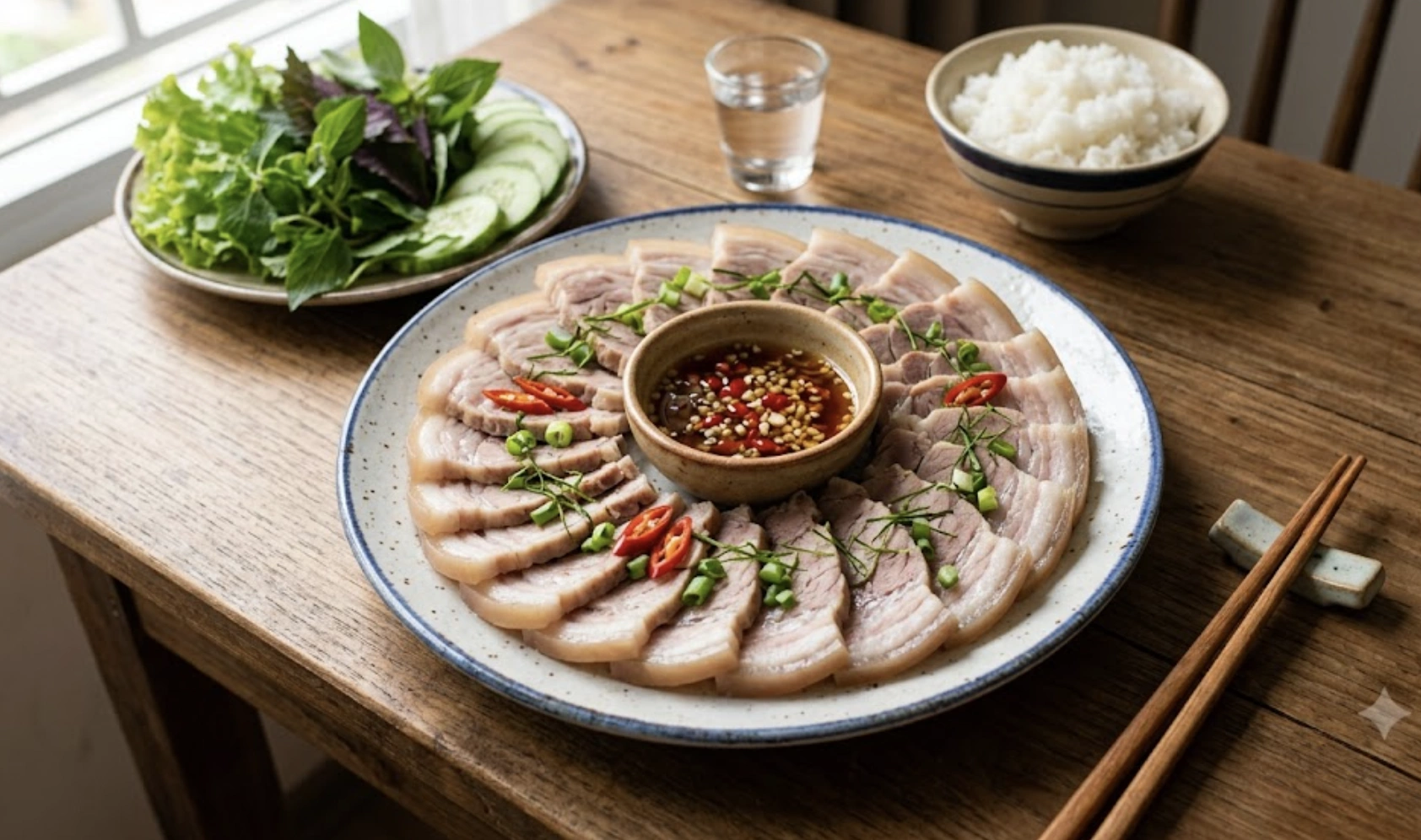 |
To achieve tender, pink, sweet, and crispy-skinned boiled pork, it should be simmered in seasoned water, then immersed in ice water. *Photo: AI* |
Boiling in seasoned water enhances flavor
Many people use plain water to boil pork, which can result in a bland dish. Chefs often add a few slices of ginger, crushed shallots, a little salt, and a small spoon of white wine to the boiling water. These ingredients primarily help neutralize odors and add aroma to the cooking liquid. A moderate amount of salt also contributes to a more balanced flavor in the pork.
During boiling, maintain a gentle simmer. High temperatures for extended periods cause protein fibers to contract strongly, leading to significant moisture loss and dry, tough meat.
Typically, pork belly or pork hock requires about 20-30 minutes, depending on its thickness. You can insert a chopstick into the thickest part; if the liquid runs clear and no pink remains, the pork is cooked.
Ice bath for crispy skin and firm meat
A tip many chefs use is immediately transferring the freshly boiled pork to a bowl of ice water for about 5-10 minutes. This rapid cooling stops the cooking process, preventing the outer part from overcooking due to residual heat. Simultaneously, the skin becomes firmer and crispier, while the meat retains its elasticity and stays less dry.
Proper storage prevents dry pork
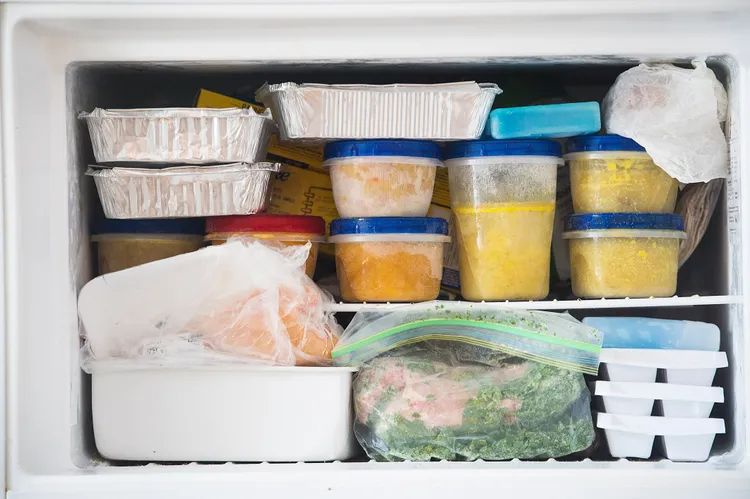
Boiled pork stored in the refrigerator can easily become dry and discolored on the surface due to direct air exposure. To prevent this, you can use two simple storage methods:
The first method is to submerge the pork in its boiling liquid. Once both the pork and the liquid have completely cooled, place the meat in a container, pour the liquid over it until submerged, seal tightly, and store in the refrigerator. The liquid prevents air from contacting the pork, limiting oxidation and maintaining moisture.
The second method, if not using the boiling liquid, is to thoroughly drain the pork, then brush a thin layer of cooking oil over its surface. Afterwards, wrap it tightly with plastic wrap or place it in a sealed container. The oil acts as a barrier, preventing the pork from losing moisture or becoming tough in the cold environment.
With both methods, boiled pork should be consumed within 2-3 days. These simple tips allow your boiled pork to be stored longer while retaining its natural tenderness, sweet flavor, crispy skin, and appealing color.
Bao Nhien