Samsung Vietnam, in collaboration with the Central Center for Health Communication and Education (T5G) under the Ministry of Health, launched the "Proactive Daily Healthcare - For a Healthy Vietnam" program this June. This initiative aligns with a significant shift in the healthcare sector, moving from a focus on treatment to proactive prevention, protection, and health improvement, alongside accelerating digital transformation.
The Galaxy S26 series and Galaxy Watch8 series are central to this program's technological approach. Samsung Health, integrated into the Galaxy S26, serves as a hub for health data. It aggregates individual metrics and uses Galaxy AI to provide personalized recommendations tailored to each user's habits, moving beyond a one-size-fits-all approach.
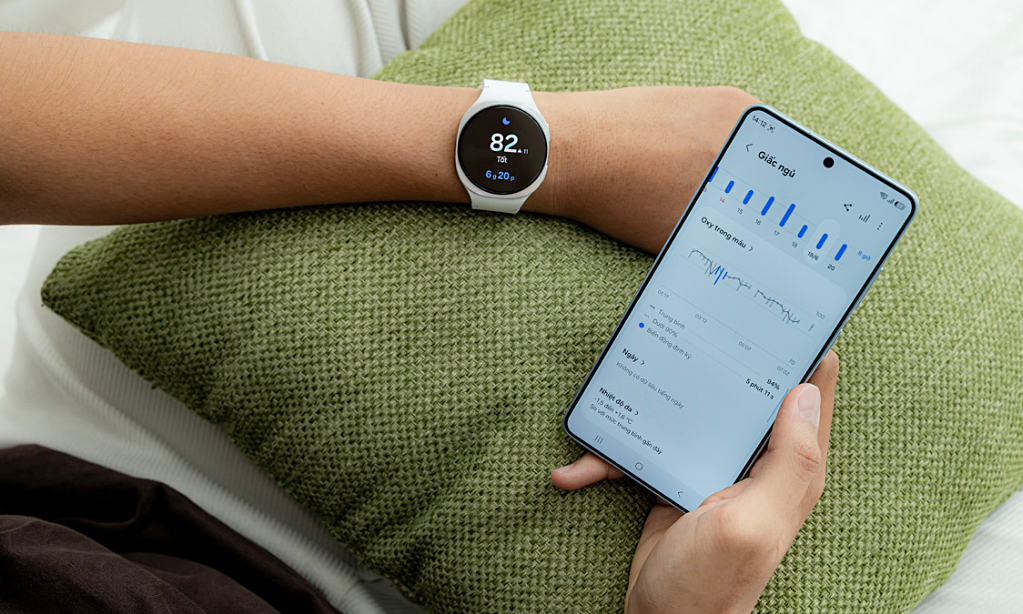
The Galaxy Watch8 provides a more detailed layer of biometric data directly from the wrist. Its vitals feature analyzes five sleep signals: heart rate, heart rate variability, respiratory rate, skin temperature, and blood oxygen saturation, helping users identify when their body requires more rest. A daily cardiovascular health score is compiled from sleep data, stress levels, physical activity, and body composition. Additionally, an antioxidant index measures Carotenoid levels on the skin, encouraging users to maintain a healthy diet.
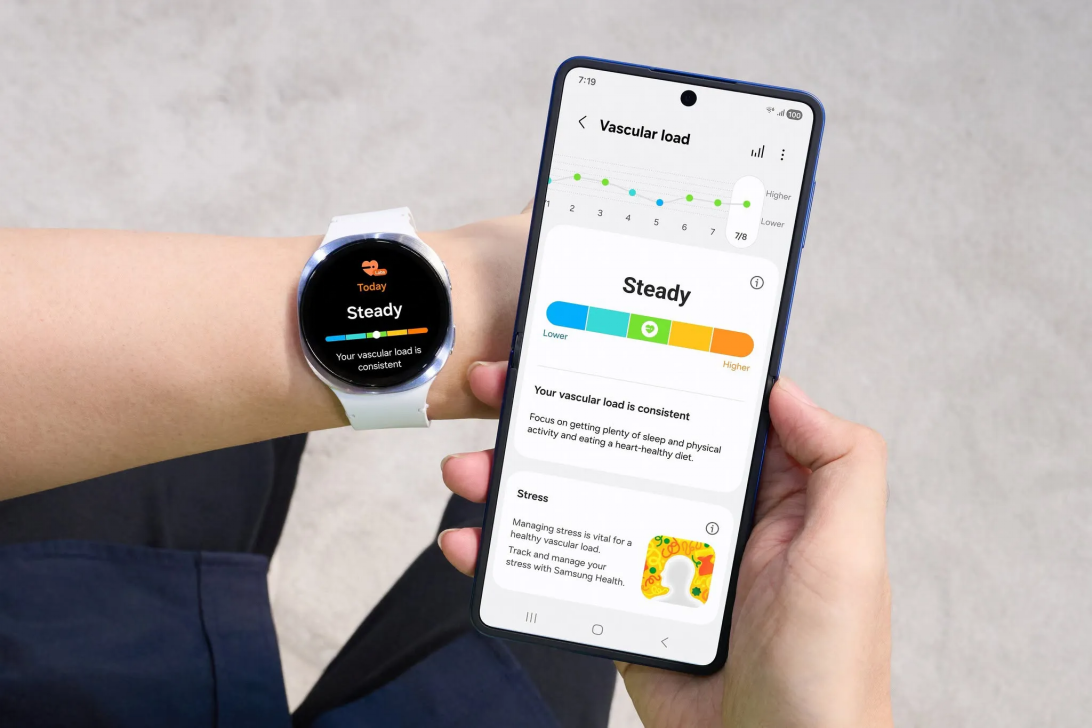 |
The Galaxy S26 phone and the Galaxy ecosystem help Vietnamese users monitor health metrics visually. Photo: Samsung
Samsung's approach distinguishes itself by not imposing ambitious goals from the outset. The Galaxy ecosystem quantifies even minor changes, such as an extra 15 minutes of sleep or a few hundred additional steps, into visual scores and levels within Samsung Health. This method allows users to track daily progress and sustain habits over time, preventing early discouragement.
As part of the "Proactive Daily Healthcare - For a Healthy Vietnam" program, Samsung launched the Galaxy Run in TP HCM on 21/6, in collaboration with T5G and VnExpress. This event attracted approximately 5,000 participants. In July and August, Samsung and T5G will host a series of specialized workshops, including a training session for about 300 health communication officials from the Centers for Disease Control (CDC) across 34 provinces and cities, along with forums for students in Hanoi and TP HCM.
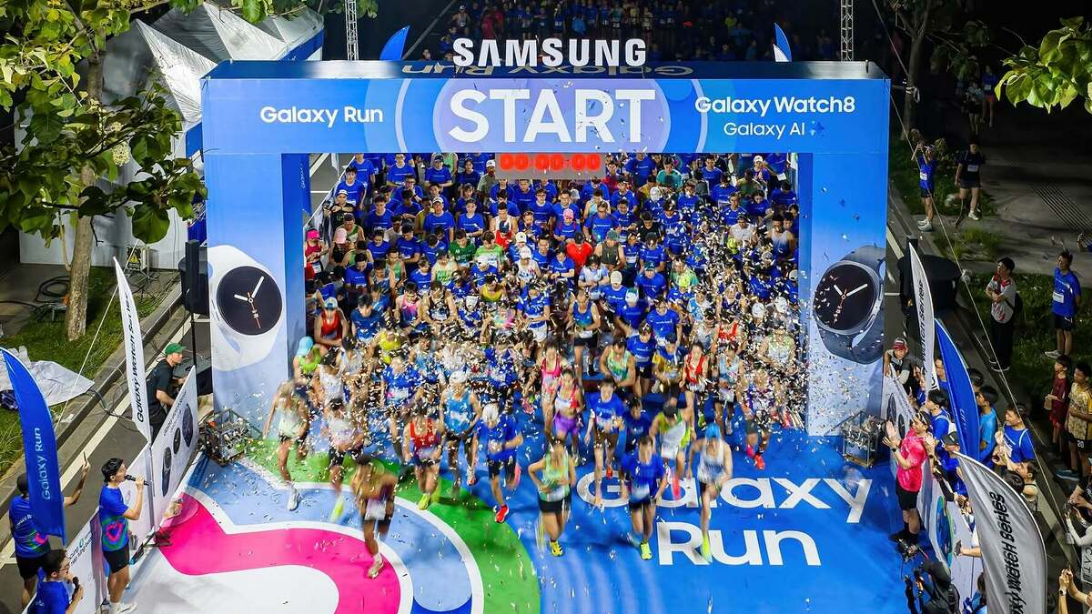 |
The Galaxy Run community event in TP HCM on 21/6. Photo: Samsung
Vu Manh Cuong, Director of the Central Center for Health Communication and Education under the Ministry of Health, stated that the program aims for each citizen to become an active participant in protecting and improving their own health.
Le Xuan Truong, Head of Marketing and Communications for Mobile eXperience at Samsung Vietnam, explained that the collaboration's goal is to leverage technological strengths to encourage people to proactively monitor and improve their daily health through the Galaxy Watch8 series and Samsung Health.
This program in Vietnam aligns with Samsung's long-term global vision. At VivaTech 2026, the company unveiled its connected healthcare vision, integrating phones, wearables, home appliances, and TVs within a unified Samsung Health ecosystem. Samsung also revealed plans to connect personal health data with medical professionals via Xealth, a digital health platform acquired by the company.
This direction indicates that the Galaxy S26, with Samsung Health as its data coordination hub, will evolve beyond daily metric tracking. It aims to become a bridge between users and more specialized healthcare services in the future. Consequently, the journey of proactive healthcare can begin with a simple download of Samsung Health, allowing the Galaxy ecosystem on the S26 to accompany and analyze small daily changes.
"We want to transform healthcare from a distant concept into a familiar habit, starting with the smartphone in everyone's hand", a Samsung representative stated.
The proactive healthcare support model implemented by Samsung and the Ministry of Health is considered practical. A Samsung survey in Southeast Asia and Oceania revealed that adults in the region prioritize health only after financial stability and family. However, actual health practices remain fragmented, creating a gap between aspiration and action. Specifically, adults in the region sleep an average of 6 hours 59 minutes per night, which is below the recommended 7-9 hours. As lifestyle-related non-communicable diseases like cardiovascular issues and metabolic disorders become more prevalent, bridging this gap is a shared challenge for both the healthcare system and the technology industry.
Hoai Phuong