In 1965, notary Andre Francois Raffray, 47, signed a contract to purchase an apartment from Jeanne Calment, 90. The apartment was located above her family's fabric shop in central Arles. This transaction was conducted under "viager"—a real estate sales model dating back to the Middle Ages.
Under the "viager" system, Raffray agreed to pay Jeanne approximately 450 USD each month until the homeowner passed away. Upon her death, the property would immediately transfer to the buyer, bypassing the need for estate distribution or a will.
At the time of the contract signing, Jeanne had no direct heirs. Her daughter, Yvonne Marie Nicolle, had passed away at 36, and her grandson, Frederic, had also died at 37. Jeanne had lived comfortably in the apartment with her husband, Fernand, employing a cook and cleaner. Despite being 90, she still cycled, roller-skated, and learned fencing. She occasionally drank wine and brandy mixed with ginger beer.
The significant age difference led Raffray to believe he would soon take possession of the apartment.
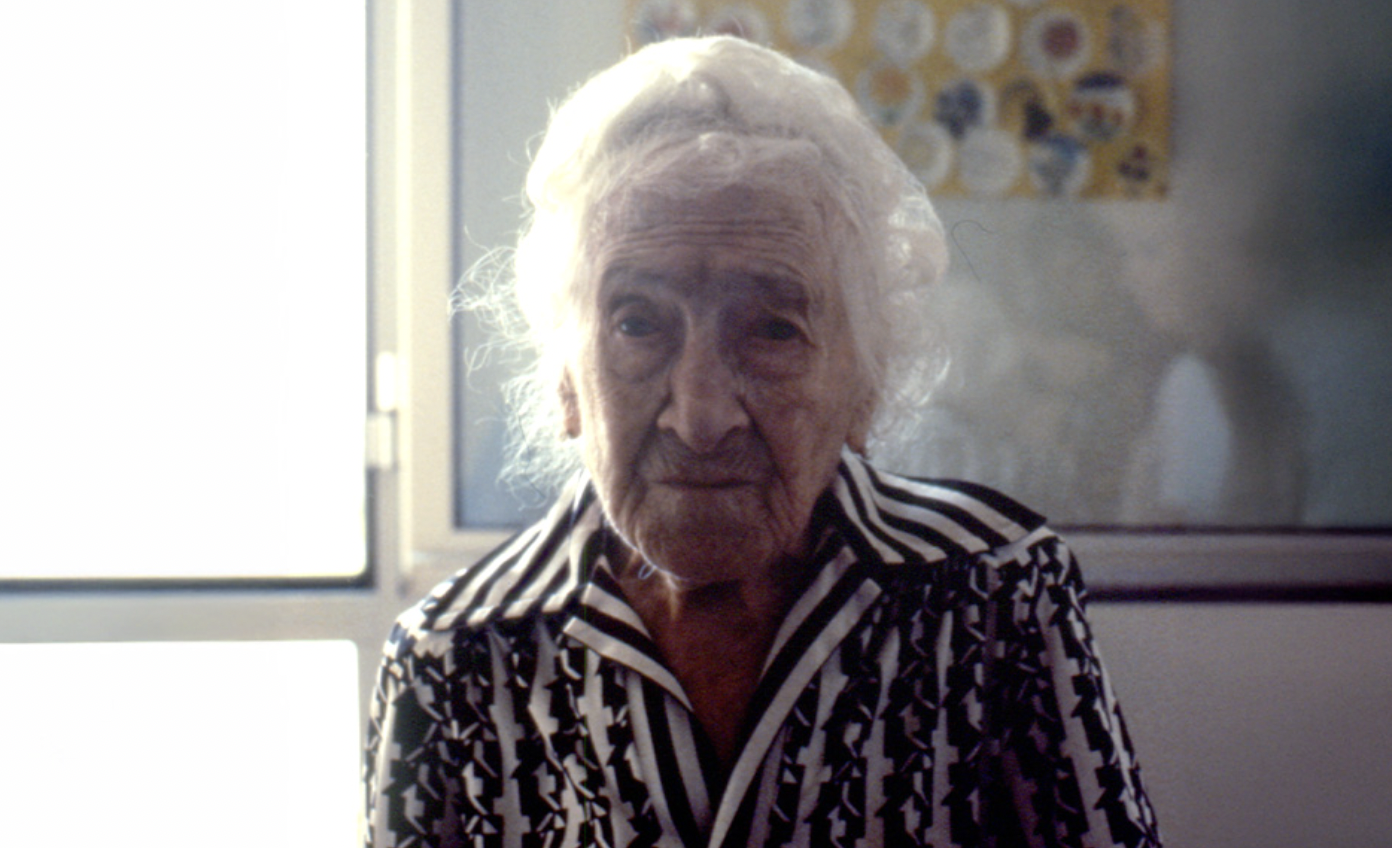 |
Jeanne Calment. *Photo: Guinness Worldrecords* |
However, Jeanne lived for another 32 years after signing the contract. In 1985, she moved into a nursing home at 110. Even though the apartment was vacant, Raffray continued to make monthly payments as stipulated in the contract.
In December 1995, Raffray died at 77, after 30 years of payments. His wife and children continued to fulfill the terms of the contract.
Jeanne passed away on 4/8/1997, at the age of 122 years and 164 days, becoming the world's oldest documented person. By the time the contract concluded, Raffray's family had paid double the apartment's initial lump-sum value.
Jeanne's case highlights the specific risks associated with "viager" agreements. This system allows elderly individuals to convert a portion of their property's value into cash for living expenses, making it a viable option for many with low pensions. In return, buyers can acquire property with low initial capital, but they face uncertainty regarding the waiting period.
French law stipulates that the seller's time of death must be an unpredictable factor. If the seller dies from a pre-existing illness within 20 days of the transaction, the contract can be canceled.
Data from the French National Statistics Agency indicates that among 100,000 people born in the country, more than half are likely to live to at least 84. Data published early 2026 also recorded that 83% of properties sold via "viager" still have their former owners residing in them. The average age of sellers is 77.
By Ngoc Ngan (According to Guardian)