Clinical psychologist Larry F. Waldman from the US, along with his wife, traveled from Arizona to Wisconsin to attend his 50th high school reunion. He observed that for many, reunions resemble a journey back in time, stirring both insecurity and awkward teenage memories. His wife, Nan, was an exemplary student, active in various activities. In contrast, Waldman, a transfer student from an inner-city area, was not part of any prominent group.
Waldman shared that in his youth, he experienced a "limited perspective" syndrome, a common adolescent state where one struggles to envision the future beyond passing exams. These differing youthful mindsets contribute to varied emotional responses when individuals receive invitations to return to their old schools.
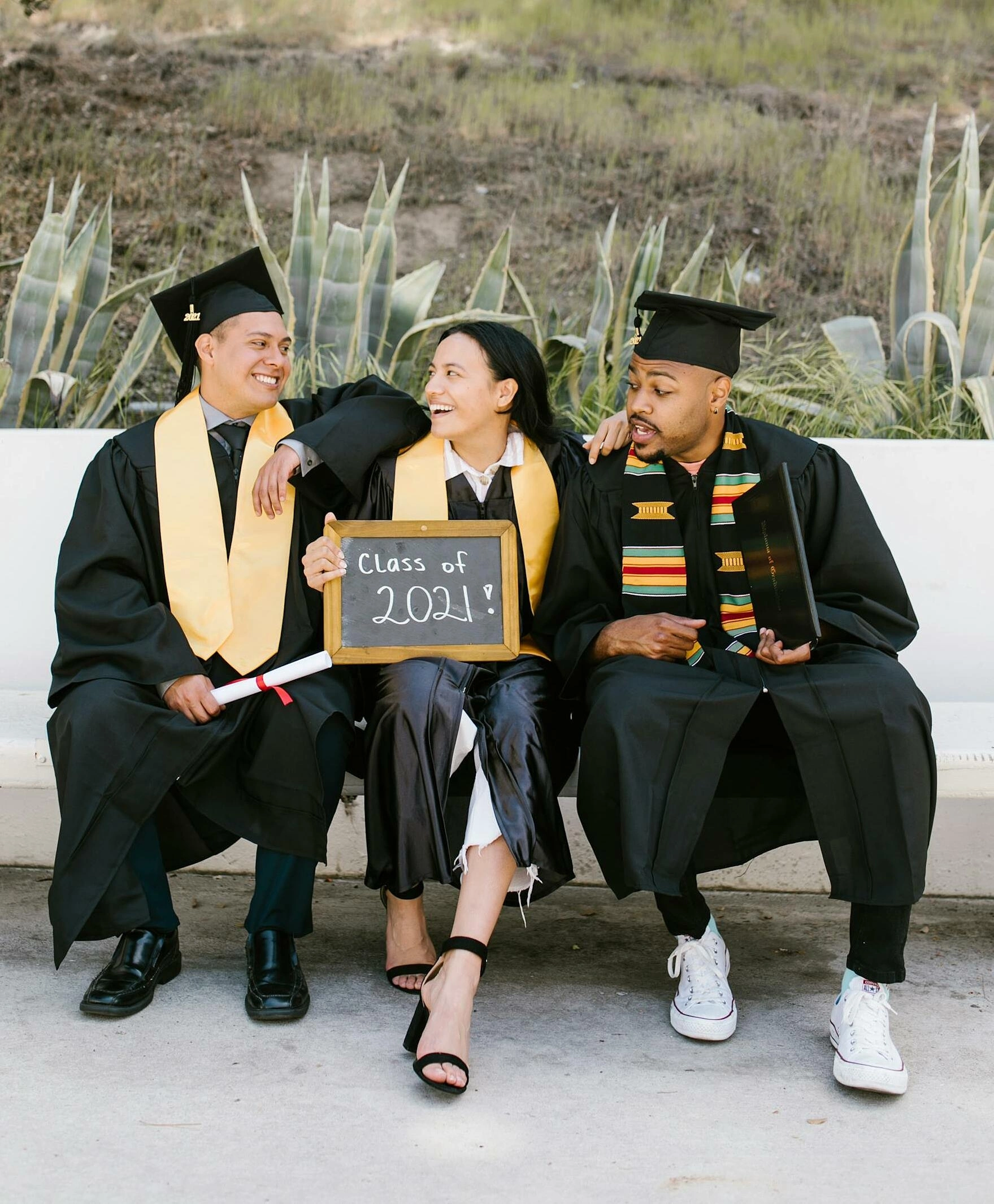 |
Illustration: Pexels |
Psychological shifts across milestones
Citing data from the Chicago Tribune, Doctor Waldman noted that each class reunion event possesses distinct characteristics, reflecting the participants' maturation process:
- **10-year anniversary:** Typically has the fewest attendees but is the most ostentatious. Participants strive to showcase their initial successes.
- **20-year anniversary:** Attracts the largest number of attendees. Superficiality diminishes, replaced by a greater diversity in life experiences.
- **30-year anniversary:** Life often becomes more complex with events like divorce, remarriage, or career changes. Attendees appear more confident, no longer relying on a spouse for social support.
- **40-year anniversary:** Similarities begin to emerge as individuals enter older age, confronting illness and retirement plans.
- **50-year anniversary:** All past pretense fades, giving way to nostalgia.
Class reunions and stages of crisis
To explain the connection between reunions and psychology, Waldman applies psychoanalyst Erik Erikson's theory of "8 Stages of Human Development". Each class reunion presents an opportunity for individuals to confront specific psychological crises:
- **Intimacy versus Isolation (18-35 years old):** At the 20-year reunion mark, many individuals are still grappling with questions about love and marriage. Those who have not formed close bonds often feel isolated during these gatherings.
- **Generativity versus Stagnation (35-60 years old):** At the 30- and 40-year anniversary marks, the focus of life shifts to career and community contributions. Former students often compare themselves to peers to assess their own societal productivity.
- **Ego Integrity versus Despair (from 65 years old):** At the 50-year reunion, life slows down. People often reflect, "Did we live life to the fullest?" The ultimate goal during this stage is to achieve wisdom and tranquility when looking back at the past.
Doctor Waldman concluded that despite differing starting points, people tend to become more similar than different over time. Attending class reunions should be viewed as an opportunity to connect and appreciate each other's presence, rather than focusing on body image issues or comparing achievements.
By Nhat Minh (Source: Find a Psychologist)