Osoji, meaning "grand cleanup", is a traditional ritual in Japanese culture. This method focuses on intentionally cleaning a space to reset the living environment.
Traditionally, Osoji is often performed at year-end to welcome the new year. However, many families now adopt it as a regular cleaning method.
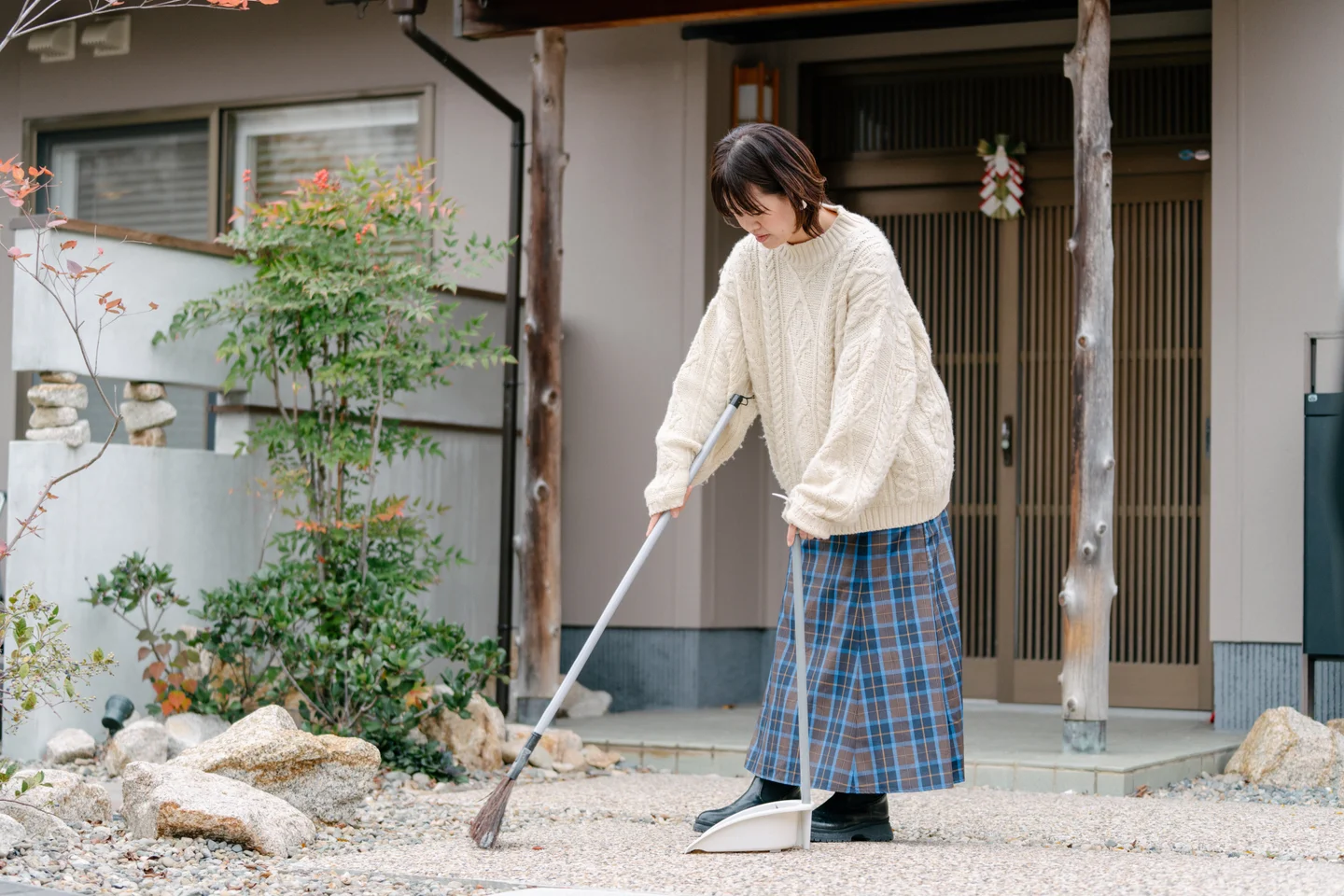 |
Japanese people consider the Osoji method not just house cleaning, but also a purification and renewal. *Huffpost*. |
Here are the 4 core rules of the Osoji method.
Clean clockwise
Cleaners start from the entrance and move clockwise around the room until returning to the starting point. Bill Parkinson, an expert at the UK bedroom essentials brand Sleepy Piglet, says this process means "closing a circle". Dividing the space in a fixed direction helps individuals manage the task, ensuring no areas are missed and preventing overwhelm from a large workload.
Clean from top to bottom
The next rule involves addressing dust and dirt in high places, such as ceilings, chandeliers, and cabinet tops, before cleaning furniture and floors. Experts state this method is based on the principle of gravity. It prevents dust from falling onto previously cleaned surfaces, helping the room maintain its cleanliness longer.
Reset space energy
Those practicing Osoji should remove or rearrange items that cause visual distraction. In a bedroom, physical changes like replacing bed sheets or cleaning mattress stains offer immediate visual impact. Parkinson adds that flipping or rotating a mattress after long-term use is a basic step to signify renewal of the sleeping area.
Eliminate "clutter blindness"
"Clutter blindness" refers to a state where people become accustomed to household disarray, such as a pile of old clothes on a chair or tangled cables.
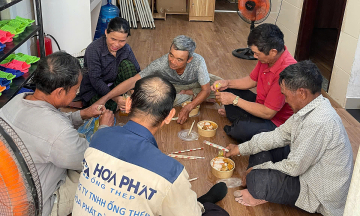
To address this, Osoji encourages cleaning with another person. The involvement of family or friends provides a more objective second perspective, helping to spot cluttered areas that homeowners might inadvertently overlook in their daily routines.
By Bao Nhien (Source: *Daily Mail*)