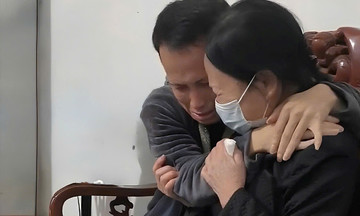
After a decade as a welder and working on ships, Minh, 30, is now living under the shadow of Japan's largest-ever crackdown on undocumented workers.
Minh arrived in Japan in 2015 through the Technical Intern Training Program (TITP), initially believing it offered a chance to learn skills for his homeland's development. However, the program, designed to provide Japan with low-cost labor, pushed many like him into debt and exploitation, forcing them to flee and become undocumented workers.
"Japanese people often only see the surface—foreigners committing crimes—but few consider why we end up in such situations," shared the former trainee living near Tokyo.
As of 6/2025, Vietnamese individuals comprise nearly 50% of Japan's approximately 450,000 technical interns, working mainly in agriculture, construction, and food processing. Most arrive in Japan burdened by significant brokerage fees. Minh, for example, borrowed 7,500 USD (about 190 million VND) for his overseas employment. After three years, finding limited job opportunities back home, he chose to stay and work as an unlicensed welder.
"Japan's economy would struggle without foreign workers like us," Minh stated.
 |
Vietnamese workers at a tomato farm in Asahi, Chiba Prefecture, Japan. _Photo: Japan Times_ |
Despite Japan's cautious approach to immigration, its aging population and low birth rate necessitate accepting a record number of foreign workers. However, declining real wages and escalating living costs have fueled local dissatisfaction.
Jiho Yoshimizu, director of a Tokyo-based non-profit organization, observed: "Japanese people's anger over financial difficulties is being directed at foreigners."
Police data indicates that the crime rate among foreigners in Japan is relatively low, accounting for only 5,5% of 190,000 criminal offenses in 2024. However, among arrested foreigners (excluding permanent residents), Vietnamese individuals represent over 30%, including theft charges. This figure partly stems from the Vietnamese community's ninefold growth over the past decade, now making up 25% of the total 2,3 million foreign workers in Japan.
Minh asserts he has never committed a crime beyond overstaying his visa. He considers his time in Japan a success, despite working hazardous jobs like removing rust from ships, tasks few Japanese are willing to undertake.
Yoshimizu argues that many trainees are trapped in such dire working conditions that "they have no choice but to flee." While most employers comply with regulations, complaints about low wages, poor housing, and harassment remain common. Legally, trainees cannot independently change employers, even if dissatisfied. Last year, approximately 6,500 trainees "disappeared" from their workplaces, seeking opportunities through "black market" groups on social media.
"Those who find illicit work might survive, but less fortunate individuals are easily pushed into crime, even drug dealing," Yoshimizu warned.
The Japanese government plans to transition the TITP to a new system by 2027, allowing more flexible job changes but requiring higher Japanese language proficiency. Amid a weakening yen, which reduces the value of remittances sent to Vietnam, Japan's appeal as a work destination is diminishing.
Nun Thich Tam Tri, abbess of a Tokyo temple that often shelters struggling Vietnamese individuals, noted that some trainees have fallen into gambling or cryptocurrency investments, leading to debt. However, she stressed that these cases are a minority, and the trainee community continues to make significant contributions to Japanese society.
"It saddens me when a single negative news report can easily create prejudice among Japanese people towards an entire community," the Nun said. "We must strive to do more good deeds to normalize our image and regain trust in this foreign land."
By Ngoc Ngan (According to Japan Times)