The patient reported making a salad from his home-grown cucumbers. Noticing an unusual bitter taste, he stopped eating after consuming about half of one. An hour later, he experienced nausea, severe abdominal cramps, and diarrhea. He was rushed to the Fujian Provincial Hospital of Traditional Chinese Medicine No. 2. Doctors there diagnosed him with cucurbitacin poisoning, a natural compound found in plants belonging to the gourd family.
Cucurbitacin is a natural compound found in plants of the gourd family, which includes cucumbers, zucchini, gourds, pumpkins, and winter melons. Normally, these fruits are not bitter. However, when plants are subjected to drought, pests, or cross-pollination with wild varieties, their self-defense mechanism activates. The plant then produces significant amounts of cucurbitacin B to deter insects and herbivores, resulting in a distinct, pungent bitterness unlike their usual flavor.
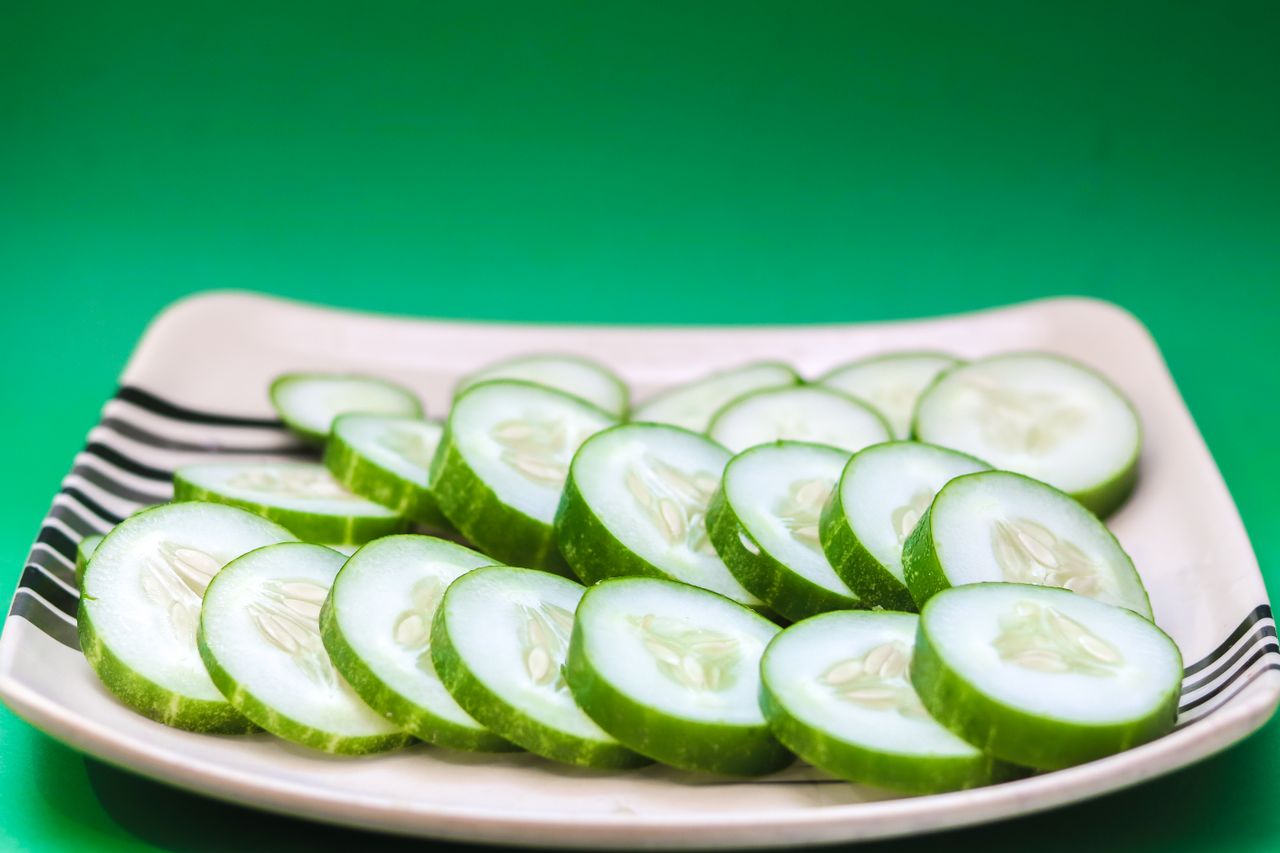 |
Illustration: Pexels |
The body typically reacts to cucurbitacin within 30 minutes to several hours. Symptoms include abdominal cramps, vomiting, diarrhea, and dehydration. In severe cases, the toxin can lead to liver damage, hypotension, shock, and multiple organ failure. Doctor Ryan Marino, an associate professor at Case Western Reserve University School of Medicine in the US, states that a bitter taste is a warning sign. He advises that if individuals consume bitter fruit and experience abdominal pain, vomiting, or diarrhea, they should seek medical attention promptly rather than waiting for symptoms to subside.
Many mistakenly believe that deep peeling, soaking in salt water, or high-temperature cooking can eliminate the toxin. Health experts confirm that cucurbitacin is highly heat-stable and is not degraded by boiling, stir-frying, or stewing. There is currently no specific antidote; treatment primarily focuses on resuscitation and fluid replacement. The dangers are evident in past incidents: in 2015, a man in Germany died after consuming soup made from bitter home-grown zucchini. France and India have also reported acute poisoning cases from drinking bitter gourd juice for weight loss.
Homemakers cannot visually assess a fruit's safety. A fruit might appear fresh and unblemished yet contain toxins, even if others on the same vine are normal. During preparation, if a strange odor is noticed or the fruit's tip tastes bitter, experts recommend discarding the entire fruit. People should avoid juicing or making salads from bitter-tasting fruits, even with the intention of consuming small amounts.
Bao Nhien (According to Guangming Daily, Health)