In the round of 32 at the 2026 World Cup, penalty shootouts decided the matches between Morocco and the Netherlands, and Paraguay and Germany. The Netherlands and Germany were eliminated after their players missed their kicks.
On 30/6, the Royal Dutch Football Association (KNVB) announced that Justin Kluivert, Quinten Timber, and Crysencio Summerville received a barrage of racist comments from fans after missing penalties in their 2-3 loss to Morocco.
A KNVB representative stated: "Abusive behavior goes against all football values. We will ask authorities to investigate this incident".
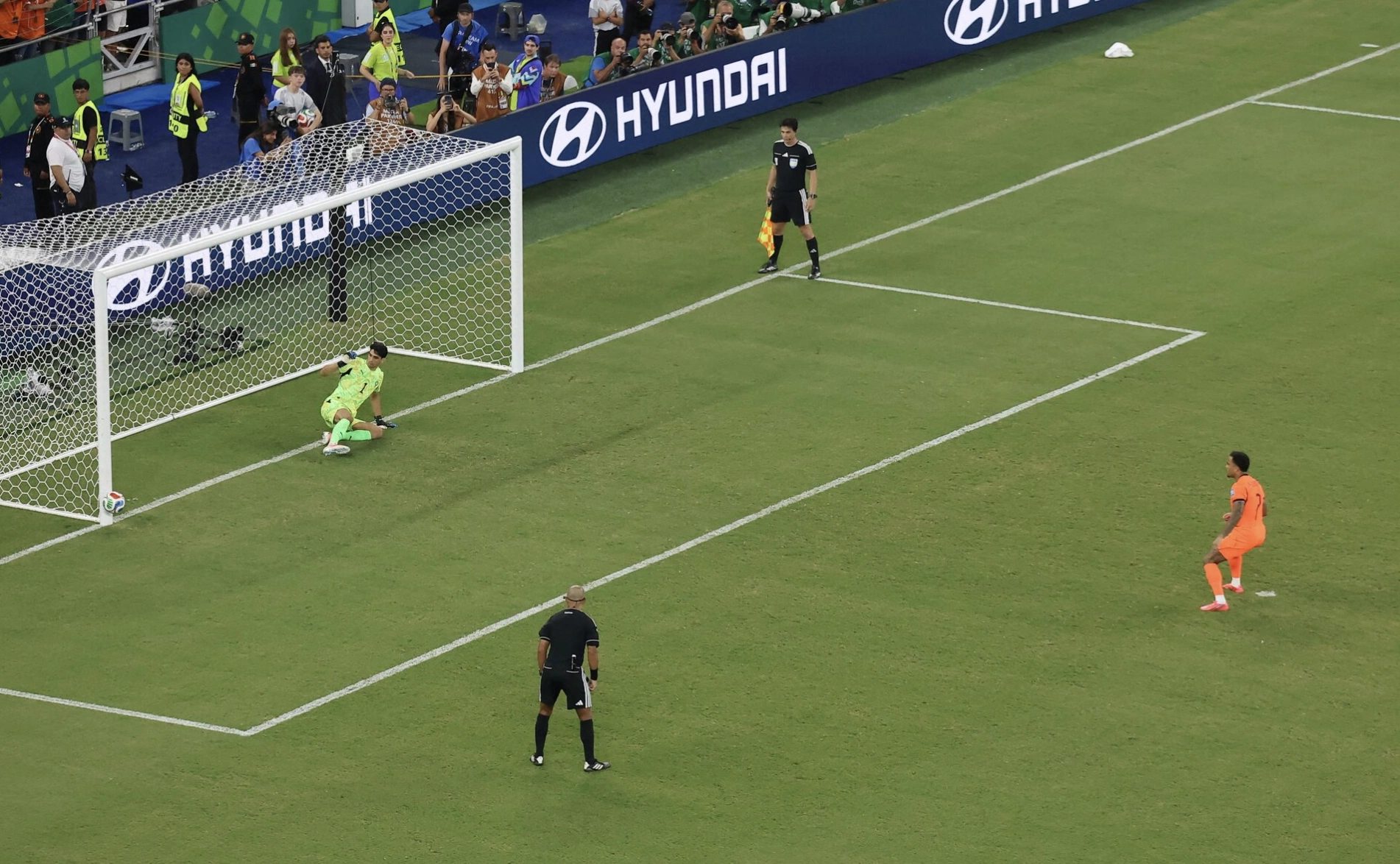 |
The Netherlands' Quinten Timber reacts after missing a penalty during a shootout on 29/6. Photo: Daniel Becerril/Reuters |
Attacks on players who miss penalties have occurred before. In 2021, a UK court sentenced three individuals for online defamation of Marcus Rashford, Bukayo Saka, and Jadon Sancho after the European Championship final.
Professor Geir Jordet, an expert at the Norwegian School of Sport Sciences, analyzed 718 penalty kicks from 1970 to 2023. He found significant after-effects for players who missed. 53% of players who failed from the penalty spot subsequently exhibited withdrawn behavior, covered their faces, or feared their teammates' gaze.
"The football industry unintentionally inflicts significant psychological trauma on players by tying their reputation to a missed kick", Professor Jordet said.
In reality, the rate of unsuccessful penalty kicks is quite high. Up to the round of 32 at the 2026 World Cup, the penalty conversion rate was only 65%, with 39 goals from 60 kicks.
Associate Professor of Kinesiology Amanda Perkins-Ball of Rice University (US) noted: "Every player participating in the tournament possesses good technique. The difference comes from the ability to perform under pressure".
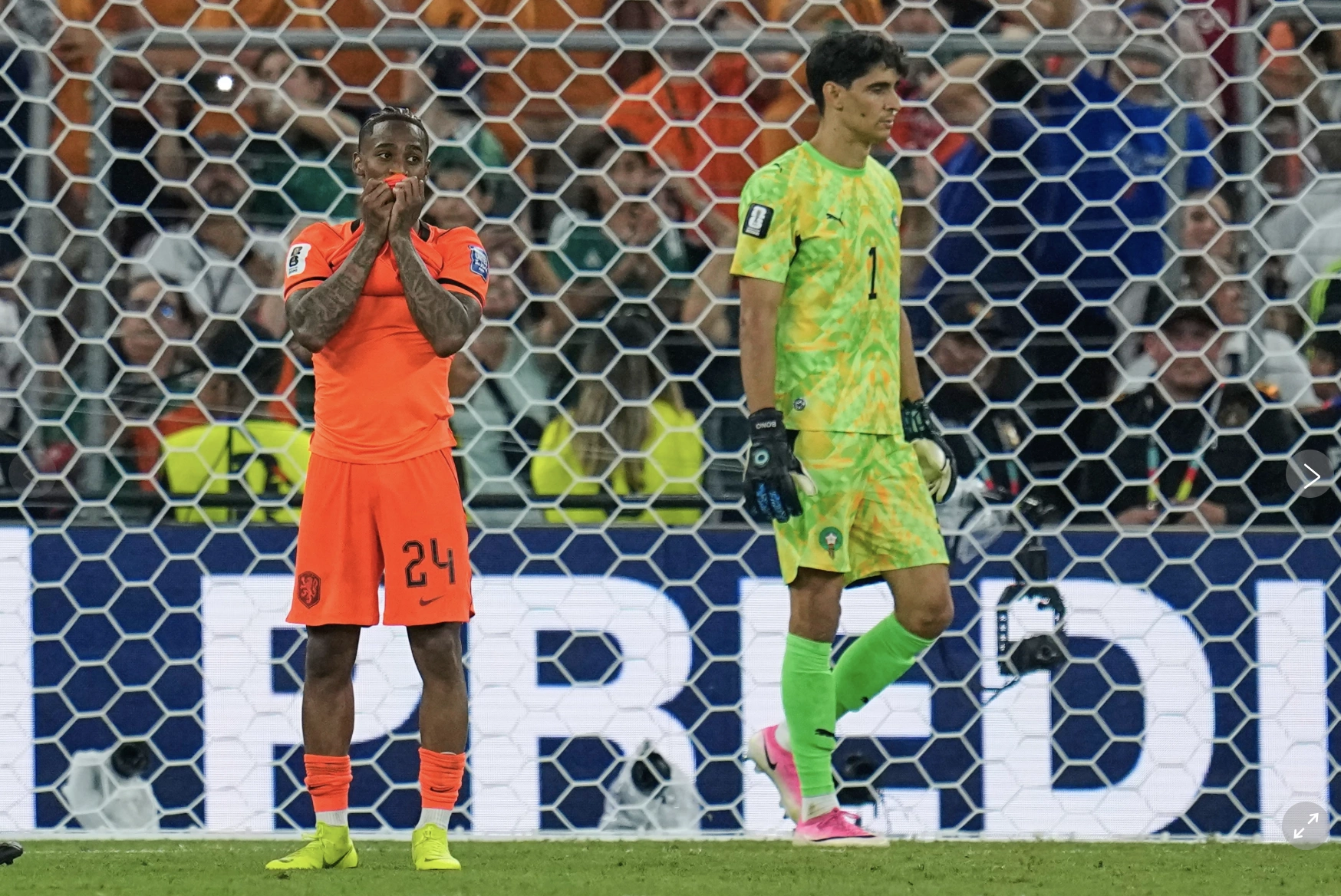 |
The Netherlands' Crysencio Summerville reacts after missing a penalty during the World Cup round of 32 match between the Netherlands and Morocco on 29/6. Photo: Ricardo Mazalan/AP |
Specialized sports pressure
In this year's tournament, star players such as Lionel Messi (Argentina), Kylian Mbappe (France), and Harry Kane (England) all missed penalties during regular play.
Sports psychologist Robert B. Andrews from the Houston Institute of Sports Performance (US) explained that World Cup penalty kicks attract global attention. When defender Lucas Herrington (Australia) missed a penalty against Egypt, Andrews attributed it to a lack of confidence in his body language and insufficient mental preparation.
According to sports and psychology experts, missing a kick reduces a player's future self-confidence. The brain records these experiences, transforming a missed World Cup penalty into trauma comparable to an accident or a torn ligament injury – a serious injury that can impact a player's career. Therefore, psychological intervention after a player misses a penalty is mandatory.
Andrews proposed a visualization method, requiring players to imagine and mentally rewrite a successful scenario multiple times to process their fear.
Recognizing mistakes as an inherent part of sports, expert Perkins-Ball stated that perfectionism creates pressure for athletes. "They need to learn to adapt to failure; that is what distinguishes star players", she said.
Minh Phuong (According to Reuters, USA Today, AP)