On 6/4, Ba Jia in Yiwu city, Zhejiang province, went to inspect a rental room, intending to change its door lock password. The male tenant, over 40 years old, owed 5,000 yuan (approximately 17,5 million dong) in rent, prompting her decision to terminate the lease.
Upon entering the room, the landlady discovered hundreds of 1,5-liter plastic bottles filled with urine, hidden in wardrobes and under the bed. The walls and air conditioner in the room were stained yellow from cigarette smoke, despite the in-room toilet being fully functional.
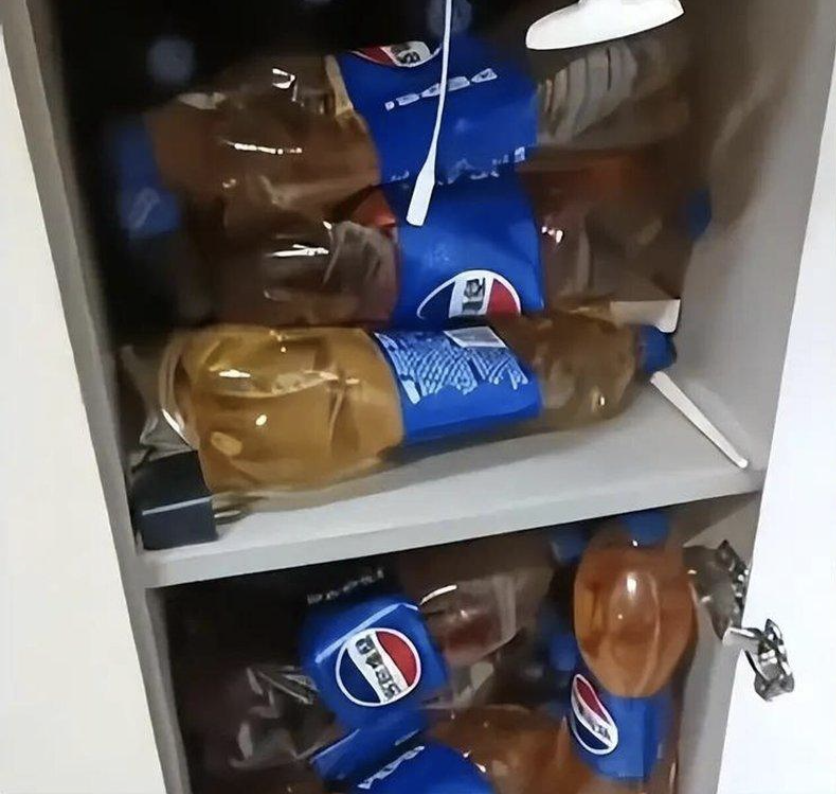 |
Some urine bottles stored by the tenant in the wardrobe of the rental room in Yiwu, Jinhua, Zhejiang province, discovered by the landlady on 6/4. Photo: *Worldjournal*
Ba Jia, along with two others, spent over two hours emptying the waste into the toilet for cleaning. The landlady stated that in late 2025, she had intended to reclaim the room, but the tenant requested a debt deferral, citing a recent divorce and his daughter's illness. She agreed to let him continue living there.
"In over 10 years of renting out properties, I have never encountered such a case," Ba Jia said. She demanded the tenant pay the full amount owed and compensate 500 yuan for cleaning fees. The man accepted the demands.
The incident attracted significant attention on social media regarding the tenant's lifestyle. Previously, in August 2025, a landlady in Suzhou city, Jiangsu province, also discovered 100 urine bottles in a young man's room, even though the toilet was only a few steps away.
Ms. Jia filmed the room filled with urine bottles by the tenant in Yiwu, Jinhua, Zhejiang province, China on 6/4. Source: *@FuyangNews*
From a medical perspective, this behavior could indicate "hoarding disorder" or "Diogenes Syndrome." According to psychological experts in *Medical News Today* magazine, individuals with these syndromes often experience severe self-neglect, social isolation, and an obsessive compulsion to collect trash or personal waste.
Studies show that these behavioral disorders often begin or worsen after an individual faces major psychological shocks, such as losing a loved one or divorce. Doctors recommend that patients receive medical intervention and specialized psychological therapy rather than simply cleaning up the scene.
Minh Phuong (According to Worldjournal, The Paper)