Fish sauce is a product of a 12 to 24-month fermentation process. Protease enzymes from fish break down proteins into free amino acids, notably glutamate, which creates a sweet (umami) flavor. Chef Vu Nhat Thong, founder of Eric Vu Cooking Class, states that fish sauce's distinctiveness also lies in its aromatic structure.
Food science analysis reveals that fish sauce contains hundreds of volatile compounds. These include: esters that create fruity notes, indole for jasmine aroma, and short-chain fatty acids that produce its characteristic smell, along with aldehydes and ketones. These compounds readily evaporate at high temperatures.
Each chemical compound has a distinct boiling point. Specifically, esters evaporate at 60-75 degrees C, and indole at 80 degrees C. Water, however, boils at 100 degrees C.
When fish sauce is added to boiling water, the 100 degrees C temperature acts as a catalyst, accelerating the evaporation process. All the aroma escapes the liquid and diffuses into the air.
At this point, the remaining fish sauce in the pot retains only salt crystals (NaCl) for salinity and amino acids (glutamate) for sweetness, as these substances are heat-stable. The broth maintains its flavor but loses the fish sauce's aroma.
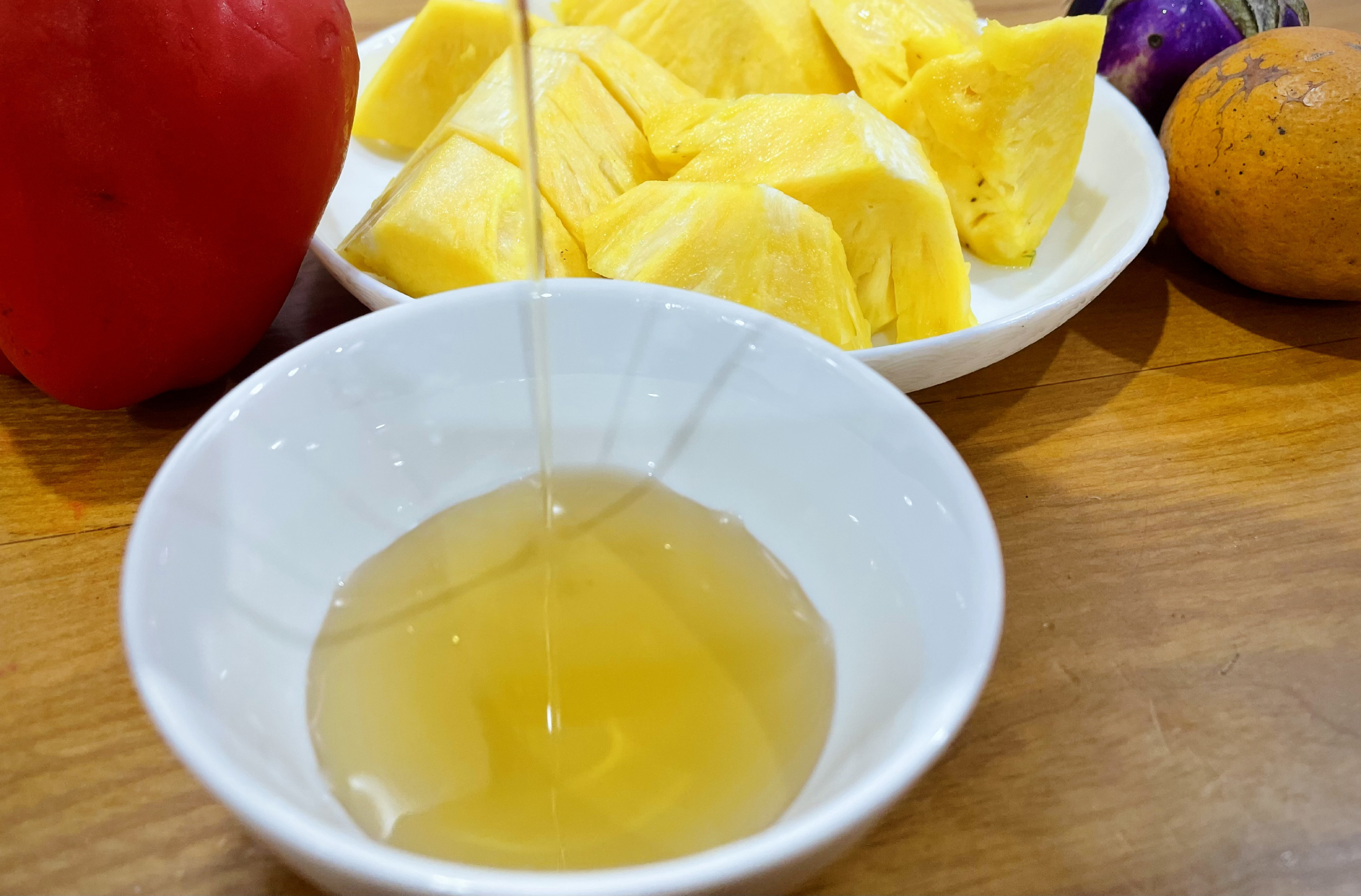 |
To preserve flavor, avoid adding premium fish sauce to boiling water. Photo: Bao Nhien
To preserve its flavor, cooks should pay attention to the temperature when using fish sauce for different cooking methods.
For soups and pho: If salinity is needed during cooking, use salt or regular fish sauce. Premium fish sauce should only be added at the final stage. Turn off the heat and wait for the broth's temperature to drop below 80 degrees C before adding the fish sauce. This temperature allows the seasoning to dissolve without losing its aromatic molecules.
For stir-fries: A stir-fry pan typically reaches 200-250 degrees C. Cooks should lower the heat before seasoning. Alternatively, pour the fish sauce along the side of the pan to allow the seasoning to blend gradually.
For braised dishes: Braised dishes require cooking at 85-90 degrees C for extended periods. Cooks should divide the fish sauce into two portions: the first for marinating the food before braising, and the second to drizzle over the dish immediately after turning off the heat.
For dipping sauces: A room-temperature environment, combined with lime, garlic, chili, and sugar, helps preserve the volatile compounds in fish sauce.
Bao Nhien