In 2019, Mark Mongiardo, a high school athletic director in the US, was pulled over by police in Sullivan County, New York. Mark's blood alcohol content (BAC) test result was 0.18%, more than double the legal limit, even though he had only eaten a hot dog, french fries, and soda.
This was not his first encounter with trouble. At the time of the stop, Mark had been abstaining from alcohol for nearly a year due to previous penalties. In the early 2000s, as a physical education teacher, he received multiple reprimands from the school because students and colleagues reported smelling alcohol on him. There were times when he lost control of his speech and behavior, appearing intoxicated.
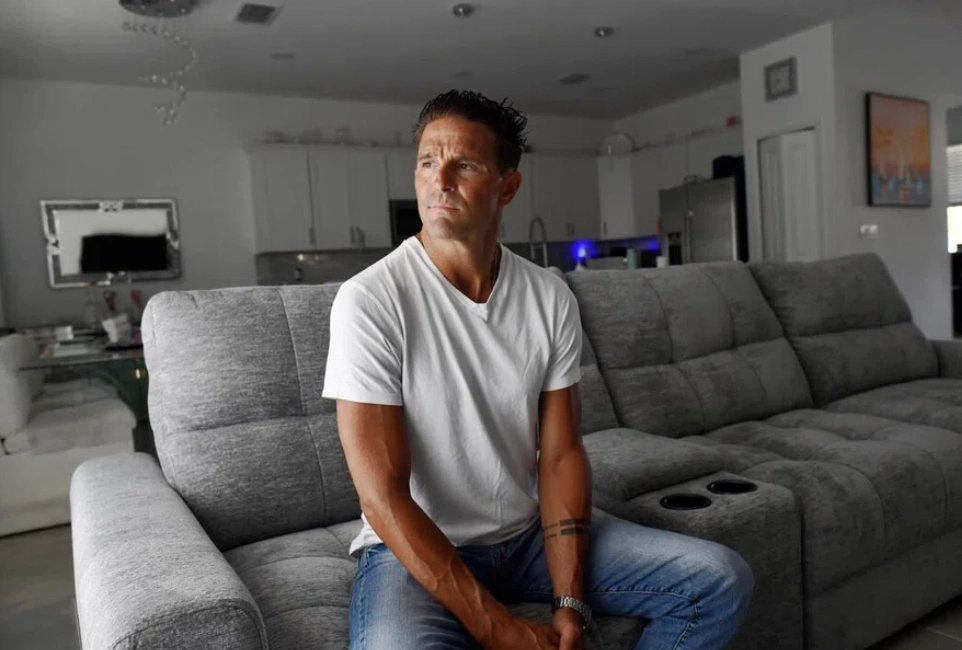 |
Mark Mongiardo in New York, US. Photo: Straits Times |
After a series of incidents spanning many years, Mark's family advised him to see a doctor. At the Richmond University Medical Center (Staten Island, New York), Doctor Prasanna Wickremesinghe conducted a test where Mark consumed a sugar solution and was closely monitored. His blood alcohol level automatically rose to 0.14% after 8 hours.
Doctors diagnosed Mark with Auto-Brewery Syndrome (ABS). Bernd Schnabl, co-director of the San Diego Digestive Disease Research Center, explained that ABS is a condition where microorganisms in the gut convert carbohydrates and sugars into ethanol (alcohol). Normally, this amount of ethanol is very small and quickly processed by the liver, causing no adverse effects. However, in individuals with ABS, excessive alcohol is produced, overwhelming the liver's capacity and leading to a state of intoxication even without consuming alcoholic beverages.
ABS was first documented in the 1950s and was initially considered a rare disease. However, recent studies suggest the number of patients is higher than previously estimated. One study in the journal Nature Microbiology identified 22 patients. Another upcoming study by Doctor Wickremesinghe and Doctor Fahad Malik at St. Joseph's Health hospital in Syracuse, New York, recorded 34 cases. The research team noted additional cases in Europe and the Middle East, indicating the condition may be more widespread than anticipated. Many cases are being missed due to misdiagnosis as psychiatric disorders.
Doctor Barbara Cordell, a researcher in Texas, stated she has encountered numerous individuals who claimed they did not drink alcohol but still caused traffic accidents due to loss of behavioral control.
Doctor Cordell's husband, Joe Bartnik, began experiencing unexplained episodes of intoxication in 2004. In 2009, his blood alcohol level measured at a hospital reached 0.37%, four times the legal limit. Doctors initially believed Mr. Bartnik was secretly consuming alcohol. Doctor Cordell revealed she had marked alcohol bottles in their home and checked the trash to monitor her husband before discovering the medical cause six years later. In 2017, Doctor Cordell founded the Auto Brewery Syndrome Advocacy and Research organization to support patients.
Scientists have yet to definitively determine the exact cause of ABS and why it affects only some individuals. Doctor Schnabl suggested it might be linked to antibiotic use, which can disrupt the gut microbiome.
For many patients, including Mr. Bartnik, treatment for this syndrome focuses on dietary changes. Doctors advise patients to eliminate sugars and carbohydrates from their daily diet to remove the raw materials for alcohol production.
Ngoc Ngan (According to Straits Times)