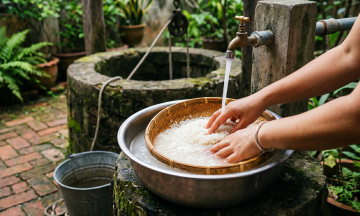
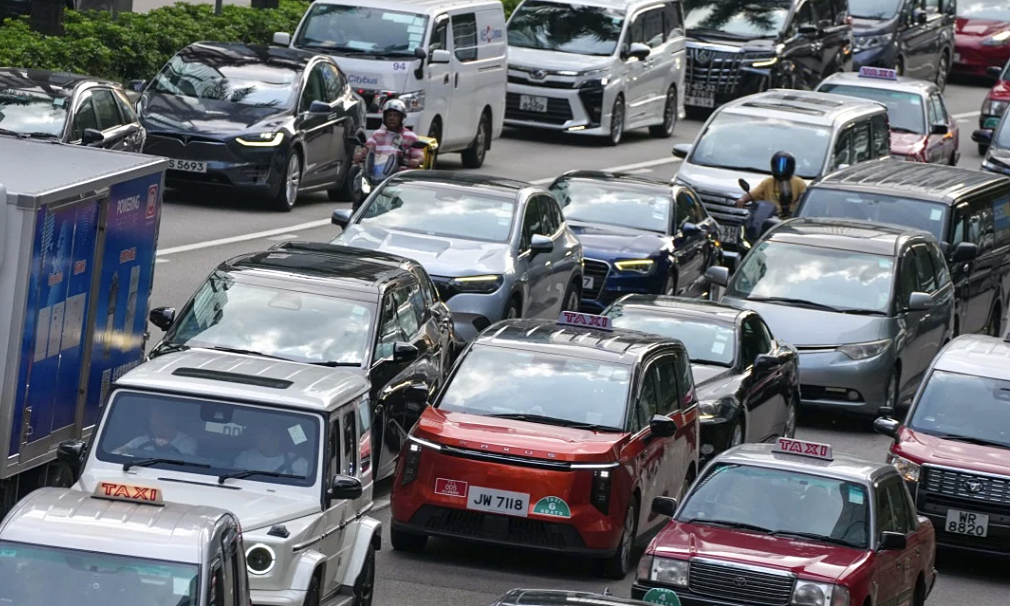
In early June, Huyen Trang, 20, a second-year student in Hanoi, spent 80,000 VND to buy 10 photos of afternoon tea and a swimming pool at a resort in Phu Quoc. After a few minutes of messaging and discussion on the Threads platform, Trang's transaction was complete. The photo seller guaranteed the set consisted of original files, never before seen online.
After minor edits, Trang posted the images to her personal account with a status update hinting at a "weekend getaway." In reality, she was in her rented room in Cau Giay ward, Hanoi.
Seeing good engagement from her posted photos, Trang spent another 200,000 VND to buy 10 videos of street scenes in Hong Kong and Japan. The student called this facade a way to motivate herself. The video series also attracted tens of thousands of views, accompanied by admiring comments.
"I want to travel but don't have much money. This is a way to entertain myself and make my personal page more appealing," she said.
Huyen Trang is among the customers of the "fake photo selling" service that has emerged on social media platforms over the past two weeks. A VnExpress survey on Threads found hundreds of posts offering "photo packages," attracting hundreds to thousands of interactions, inquiries, and price requests. The "products" are diverse, ranging from check-in photos at VIP airport lounges and concert attendance to meals at high-end restaurants. Sellers openly price individual photos at 5,000-10,000 VND. Bulk packages, from 10 photos or more, offer a 10-20% discount.
Minh Anh, 27, a travel agency employee in Hanoi, frequently travels for work and stays in large hotels, accumulating thousands of photos of landscapes, tourist spots, restaurants, and airports. She started monetizing her personal photo collection in early June.
"I sell photos for 5,000 VND each, and international travel videos for 30,000 VND. Customer anonymity is guaranteed," Minh Anh said. Last week, she sold nearly 200 photos to over 10 customers and is collecting more photos from colleagues to expand her supply.
Beyond selling existing photos, many studios and freelance photographers in major cities have pivoted their business, recognizing the high demand for "virtual life" photos. "Some buy photos for fun, but many clients need to build a personal profile for work, such as models, business owners, or key opinion consumers (KOCs)," said Hoang Giang, a photographer in Ho Chi Minh City.
Giang offers a supercar photoshoot service for 5 million VND per session. To avoid repetitive angles and revealing the staged nature of the photos, she limits the number of clients for each supercar model. In the first week, the studio received nearly 10 bookings.
 |
Mai Hoa, 22, spent 5 million VND to create a photoshoot with a supercar. Photo: M.H |
Master Hoang Ha, a lecturer at the Vietnam Women's Academy, believes the emergence of the "fake photo selling" service reflects a segment of young people's need for recognition in an era where social media increasingly influences personal image building. Constant exposure to images of success online fosters a comparative mindset, fear of missing out (FOMO), and peer pressure.
"Many participate to keep up with trends or boost engagement, but some also use staged images to bridge the gap between their real lives and their social media presence," Ha analyzed.
He noted that the biggest harm of this trend is that many who pursue online identities based on unreal experiences can erode trust in the digital environment, causing users to face reputational risks if discovered. The expert also warns of fraud risks from "virtual life" photo selling services. Users could have money stolen, personal data illegally collected, or their images used for other purposes.
After receiving significant engagement from her purchased travel photos, Huyen Trang realized this brought many complications and stress. To avoid being "exposed," she constantly had to lie. When friends messaged her asking about hotel addresses and trip costs, Trang had to piece together information found online to respond.
"I always lived in fear that someone would discover the photos weren't mine. I decided to delete them to avoid risks," Trang said.
Nga Thanh