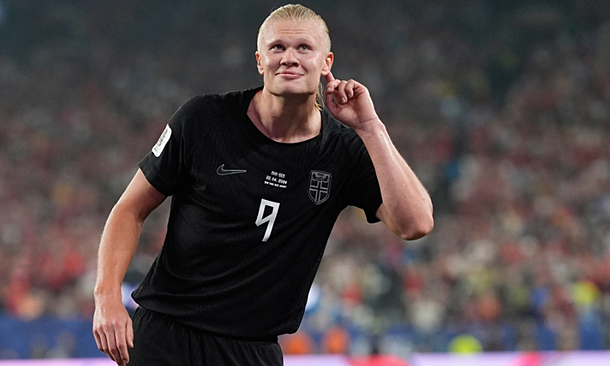
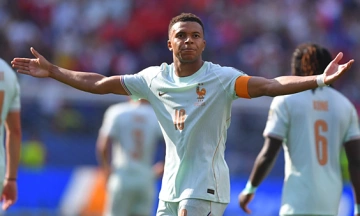
The tournament, scheduled from 11/6 to 19/7, will feature 104 matches, many overlapping with standard US business hours. Last week, Emily Stewart, an office worker in Florida, considered faking illness with a friend to watch some "worth-skipping" matches. They dropped the plan due to ticket prices exceeding 1.000 USD, but still intend to request leave if prices decrease closer to the opening day.
FinanceBuzz experts estimate that employees watching football during work hours could decrease US labor productivity, leading to losses of approximately 4,5 billion USD.
While Americans have not traditionally shown strong interest in football, hosting the tournament significantly boosts its appeal. Many workers plan to take leave, and others consider reporting sick.
A YouGov survey reveals 14% of US adults plan to follow the 2026 World Cup, up from 8% in the previous tournament. Many employers fear a repeat of the widespread livestreaming seen during the 2022 World Cup in Qatar, where matches were watched on computers during work hours.
A survey by human resources management software company UKG, involving 8.000 workers across eight countries, found that one-third of respondents plan to take at least one day off for the tournament. Additionally, 25% of workers expect to miss some working hours, and 37% will adjust their personal schedules.
 |
Illustration: Business Insider
The World Cup's impact varies significantly across countries and industries. In Brazil, many offices nearly cease operations whenever the national team plays. In Mexico, 42% of workers plan to take at least one day off, a figure that stands at 23% in the Netherlands. Businesses in Germany and France are offering flexible working hours, and Scotland even announced a national holiday on the monday following their team's opening match.
Time zone differences also impact daily schedules. James Lewis, a customer service employee in the UK, took the entire first two weeks of the tournament off to watch night matches. "If I didn't do that, I'd be like a zombie at work," Lewis said.
According to human resources management platform Deel, sick leave cases in Germany surged during Euro 2024, peaking immediately after the tournament. Lauren Thomas, a Deel economist, noted that public gatherings at stadiums and bars increase the risk of actual disease transmission, beyond just faked illnesses.
Facing these disruptions, many businesses are adapting. Heineken, for example, implemented a program encouraging employees to use leave days for volunteering, allowing them to engage in community work while also watching football. Lindsay Bousman, a representative from Canadian human resources management company Dayforce, suggested that watching football together at the office could foster lasting connections among employees.
Ngoc Ngan (According to Business Insider)