According to chef Vu Nhat Thong from the Eric Cooking Class Center, coconut water scientifically impacts the color, texture, and flavor of meat, beyond just adding sweetness.
Natural color and sweetness reactions
While white granulated sugar used for caramelizing typically provides simple sweetness, coconut water offers a balanced ratio of two natural sugars: glucose and fructose.
When heated at high temperatures with amino acids from meat protein, the sugar blend in coconut water promotes the Maillard reaction and stable caramelization. This process creates new flavor compounds and dyes the meat's surface a rich reddish-brown. Using natural sugars for coloring also helps prevent the dish from becoming bitter or burnt, which can happen with caramelized granulated sugar.
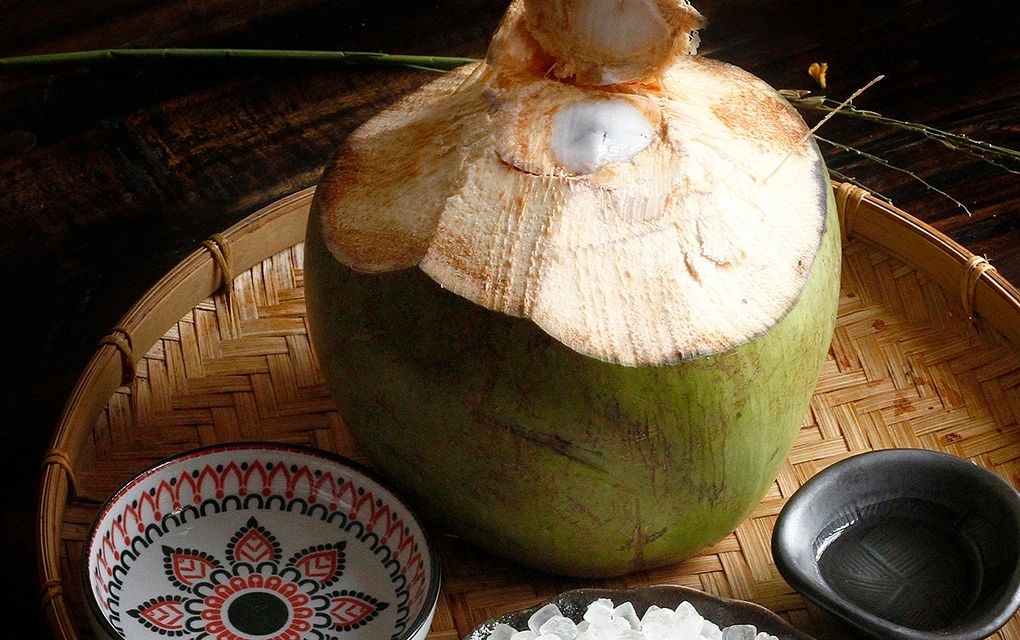 |
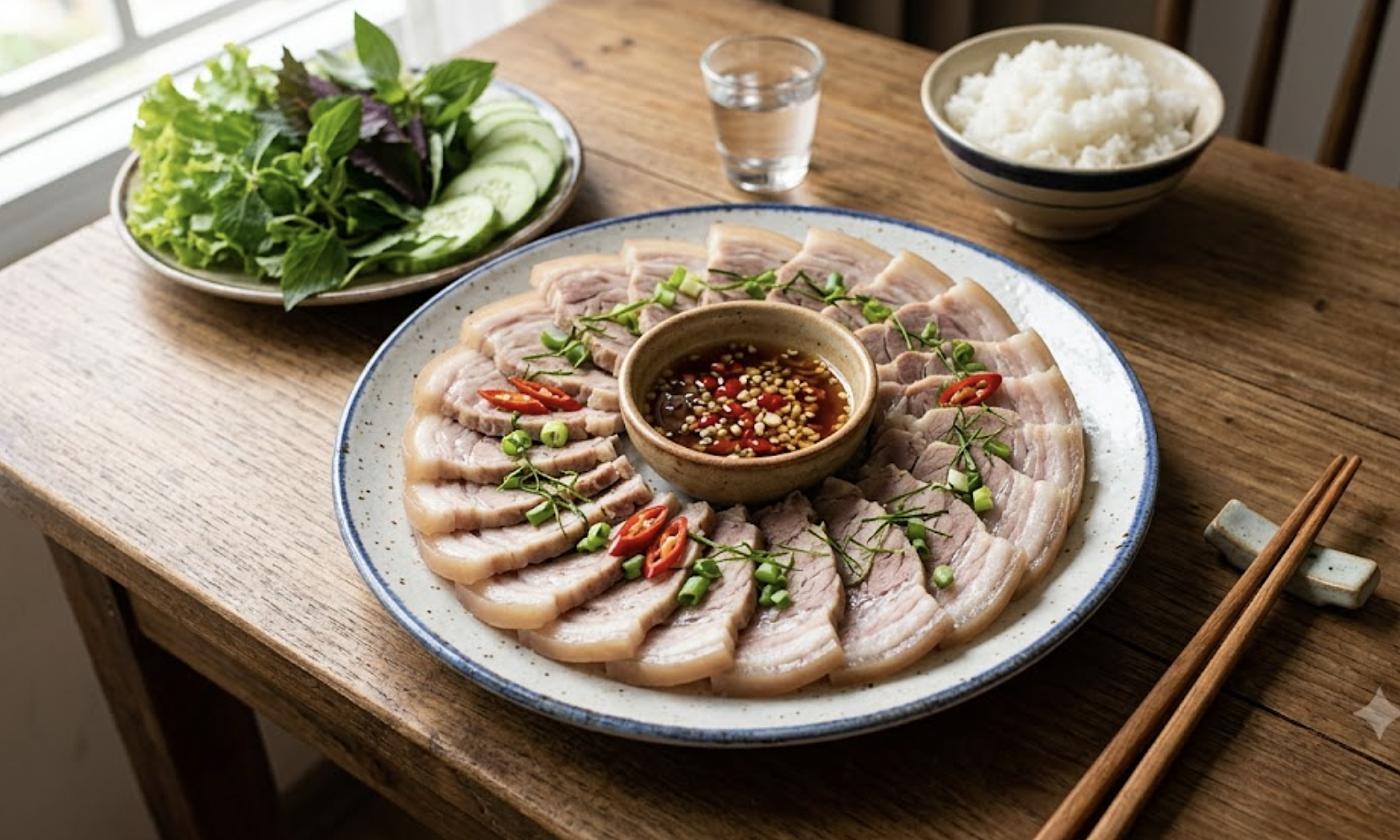
Illustration: Bui Thuy
The role in tenderizing meat
Coconut water contains mineral ions such as: potassium and magnesium, along with a small amount of enzymes. These components act as biocatalysts, interacting with the meat's protein structure during cooking.
Specifically, mineral ions and enzymes break down collagen bonds, which are responsible for meat toughness, allowing the muscle fibers to expand. This protein breakdown in coconut water helps the meat achieve a tender, melt-in-your-mouth texture with translucent fat, while maintaining its shape. It prevents the meat from becoming mushy, a common issue when braising for extended periods with plain water. These minerals also enhance the inherent umami flavor of pork.
Differences in flavor and texture
Braising meat with plain water and caramelized sugar can result in tenderness, but the meat fibers may become dry if cooked for too long. The aroma primarily comes from the blend of fish sauce and fat.
In contrast, when braised with coconut water, the meat fibers retain moisture better, creating a succulent mouthfeel. The coconut water's sweetness leaves a fresh aftertaste, which, when combined with fish sauce, creates a complex flavor profile that balances the richness of the fat.
Tips for using coconut water
Ingredient selection: Green Siamese coconuts, at a medium maturity, are optimal. Young coconuts have a slightly sour taste, while old coconuts yield bland water, reducing the effectiveness of color and sweetness development.
Liquid ratio: Avoid using 100% pure coconut water, as it can make the dish overly sweet and cause the braising liquid to thicken too quickly. A common ratio is 70% coconut water and 30% plain water.
Preparation timing: Saute the meat with fish sauce and seasonings over high heat until it firms up before adding the coconut water mixture. This technique helps to define the meat's texture.
Bao Nhien