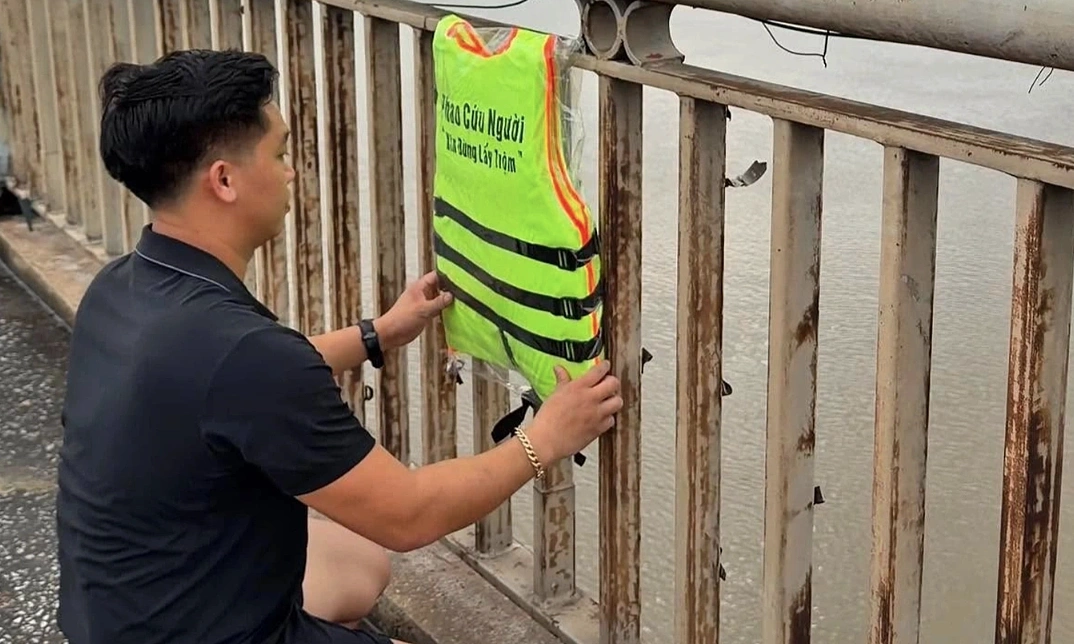
Daytime home viewings often present an incomplete picture of a living environment, with critical details about a neighborhood's true rhythm only becoming apparent at night. Factors such as car horn noise, street activities, ambient lights from adjacent properties, and parking challenges typically emerge after sunset.
David Feldberg, a broker in California, US, advises clients to survey potential purchase areas at various times, particularly after dark. He suggests buyers check for noise levels, traffic volume, and the presence of neighbors.
Realtor.com once reported a homebuyer who only discovered persistent plane noise at 4:00 h after moving in. Many others have experienced disrupted sleep due to train sounds, late-night parties, or intrusive lights from neighbors, all because they overlooked a night inspection.
While illuminated apartment windows, clothes drying on balconies, or people moving in the lobby visually indicate residential activity, simply counting lit windows is not an accurate measure of occupancy. Homeowners on vacation might leave lights on for security, while residents might habitually turn off living room lights. Instead of counting lights, buyers should observe the overall environment: check if cars are entering and exiting the parking area, if elevators are in use, if residents are strolling in the courtyard, and if surrounding shops are active.
The vibrancy of streets around an apartment complex during the day does not always reflect the availability of amenities that truly serve residents after dark. A convenience store, eatery, or pharmacy open late suggests a dynamic post-work rhythm in the area. If a buyer must travel several kilometers just to purchase a bottle of water, the project's convenience needs reassessment.
Jayde David, a real estate broker in Baltimore, US, recommends visiting a residential area on a weekend evening to visualize real life. Aaron Steed, CEO of Meathead Movers in the US, suggests sitting at a local cafe to observe. He notes that while a house can be renovated, its surrounding environment is difficult to change.
Evaluating safety extends beyond mere population density, with ambient lighting playing a crucial role in residents' perceived security and quality of life. Danielle Samalin, CEO of Framework in the US, indicates that quiet streets after dark are not necessarily a negative sign; they might signify a peaceful space where residents value privacy. Conversely, if people are still jogging or cycling late, it suggests they feel secure. Therefore, buyers should observe how residents utilize common spaces rather than focusing solely on crowd levels. A vacant but well-lit and clean street differs significantly from a dark, obstructed one.
A 2026 study published in the journal Building and Environment, which surveyed 12 residential areas in Xi'an, Trung Quoc, revealed a strong correlation between residents' perception of safety and the lighting environment. Factors like light uniformity, lamp arrangement, and glare from traffic directly impact the pedestrian experience. During a night survey, buyers should walk from the gate to the lobby or from the apartment to the parking area. Paths that are excessively dark, obscured by trees, or have headlights shining directly into bedroom windows are significant drawbacks to consider.
While a model apartment might impress a potential buyer within 30 minutes, long-term satisfaction is ultimately tied to factors like noise, light, neighbors, and available amenities. If uncertainty persists, the safest solution is to rent a unit in the area for a short period to personally experience the environment before making a deposit.
Bao Nhien (According to Aboluowang, Redfin, Realtor)