 |
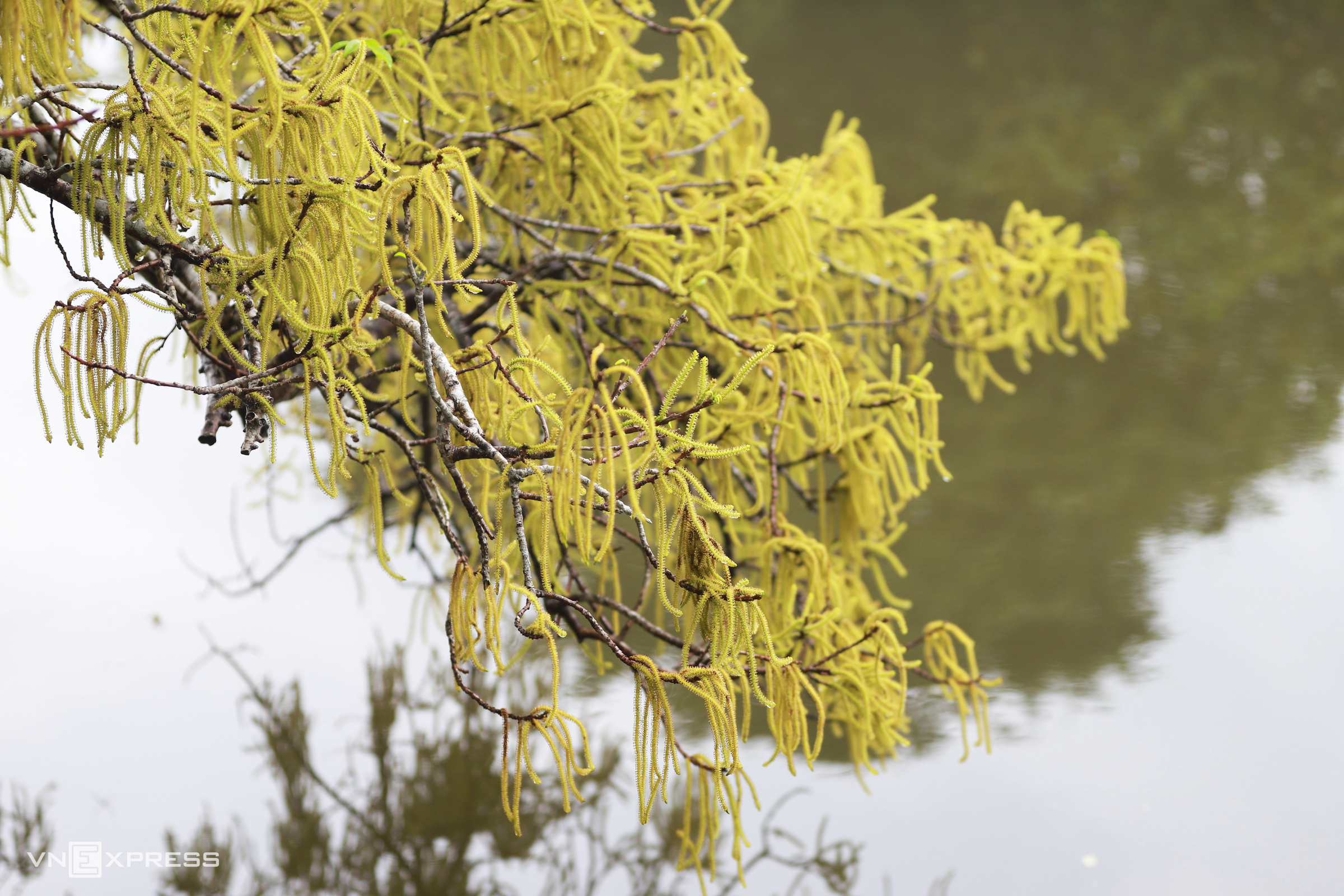
Thousands of cha trees simultaneously burst into yellow flower clusters, creating a poetic scene reminiscent of european forests in autumn. |
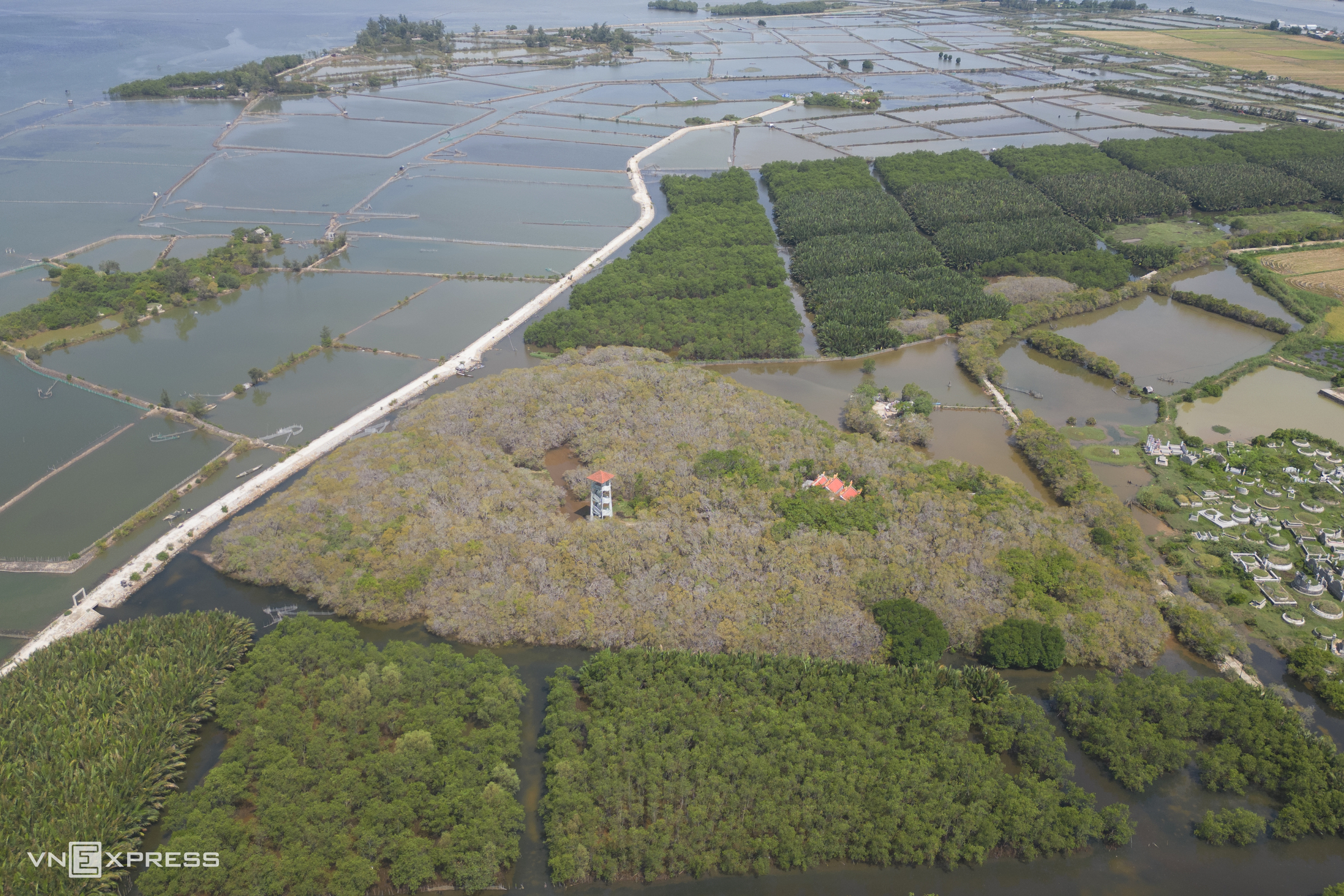
In late september, thousands of ancient cha trees across the 5-hectare Ru Cha mangrove forest, situated by Tam Giang lagoon, enter their blooming season, attracting many tourists and nature enthusiasts.
The Ru Cha forest, located in Hoa Chau ward, about 10 km from Hue city center, is a familiar destination for visitors each blooming season.
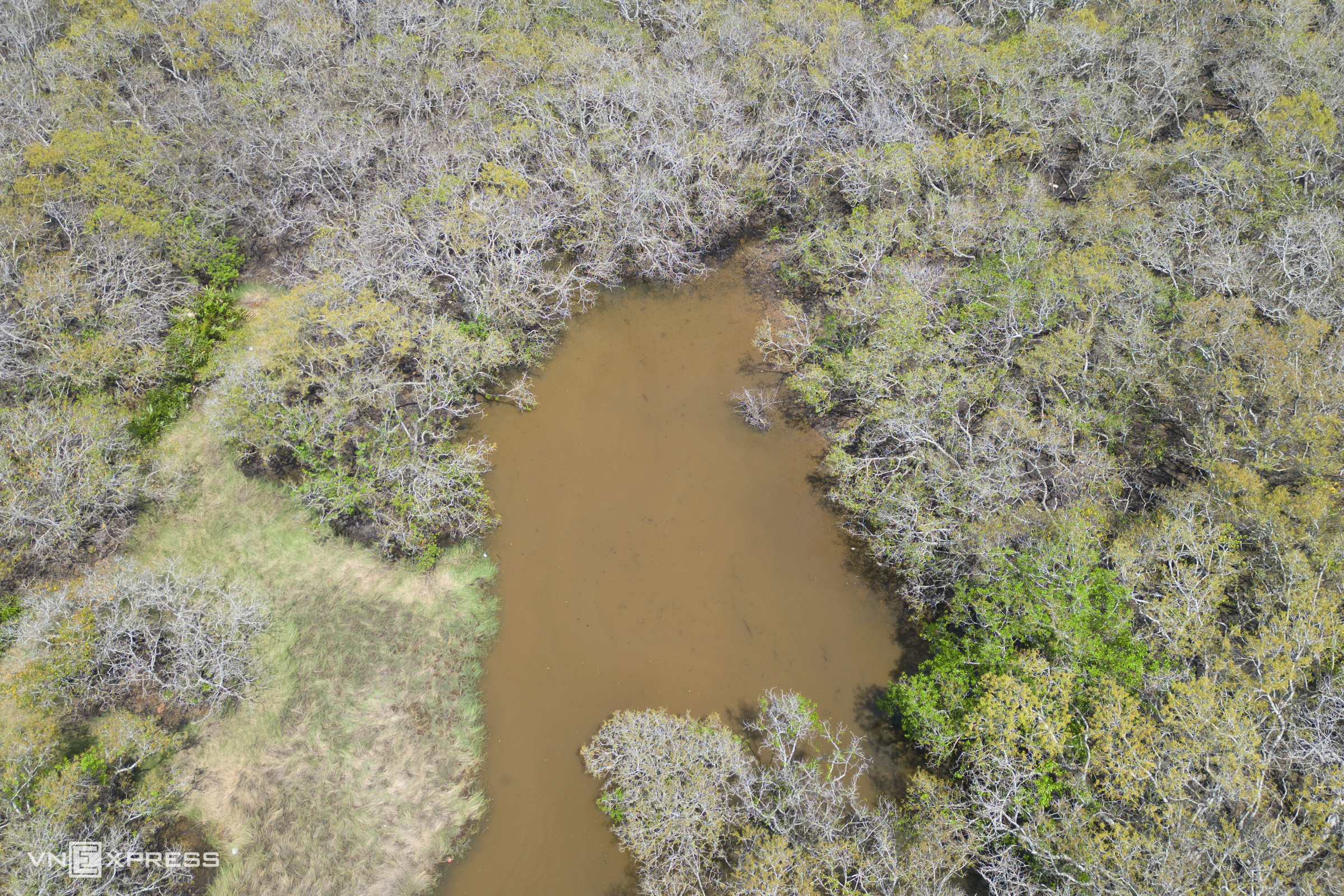 |
Cha is a woody plant native to the brackish waters along Tam Giang lagoon, adapted to the mangrove environment. The trees typically bloom in september, when Hue begins its rainy and flood season. |
 |
Birds forage on the yellow-blooming cha branches. Ru Cha is a habitat, shelter, and feeding ground for many bird species. The mangrove ecosystem along Tam Giang lagoon provides natural food sources and refuge for birds, especially during migration season. |
 |
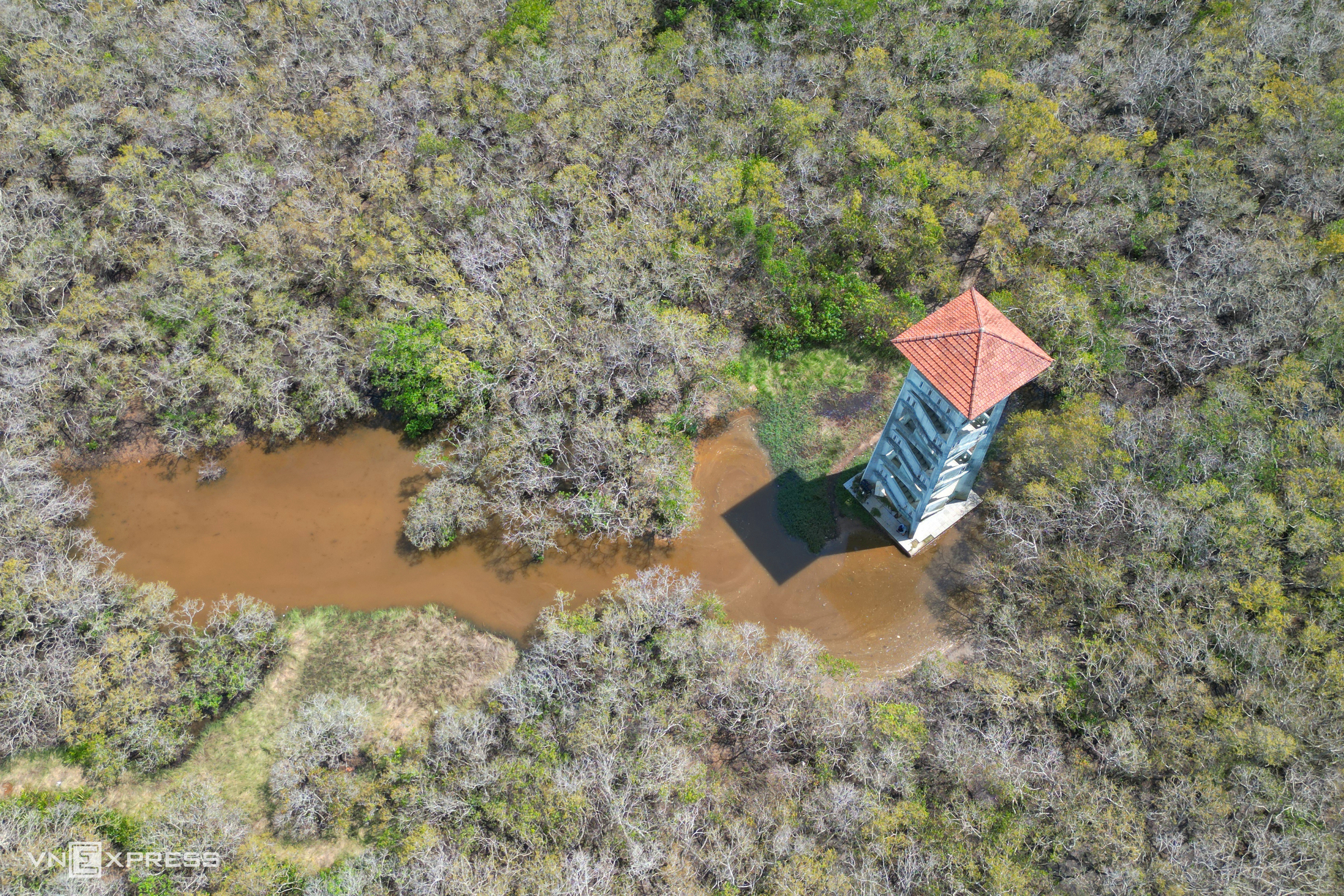
An observation tower in the middle of Ru Cha forest allows visitors to admire panoramic views of the blooming mangrove forest. Thuan An sea mouth bridge is clearly visible across Tam Giang lagoon. |
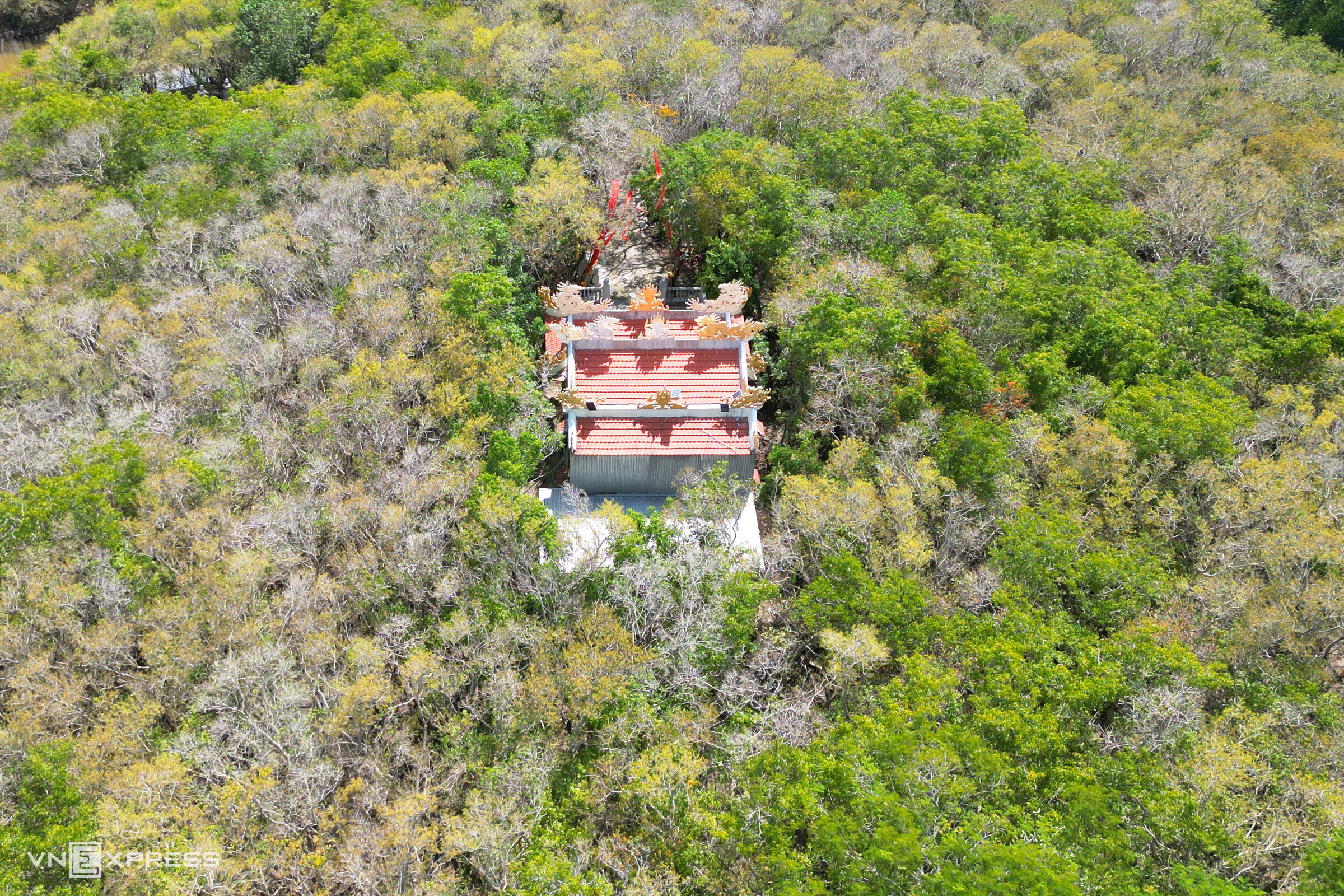
Hidden among the ancient cha canopies is the Temple of Lady Thien Y A Na, a place of worship for local residents.
 |
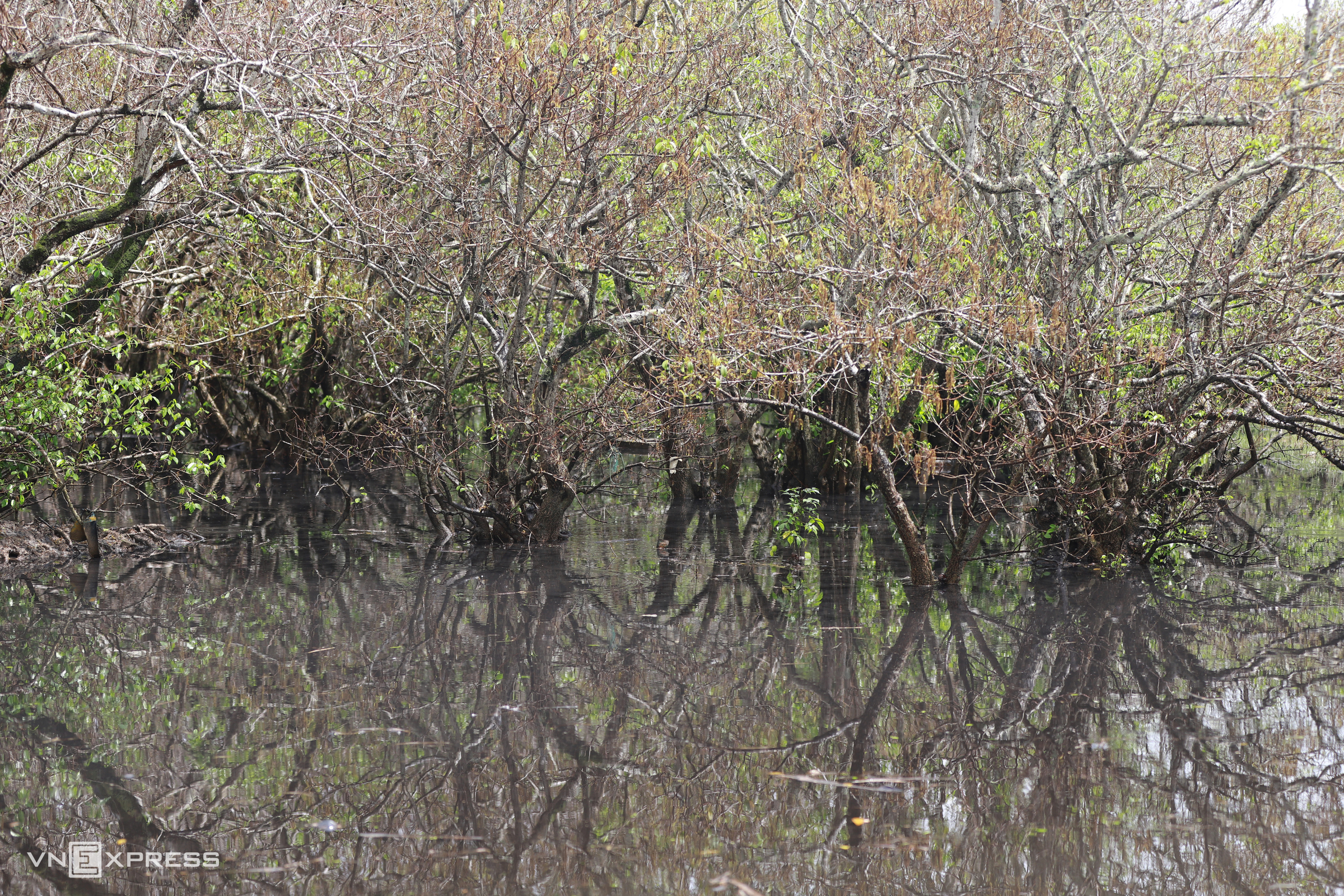
Ancient cha trees rise from the water, their bases submerged in brackish water. Their rough trunks and deep roots anchored in the mud create the characteristic pristine beauty of the mangrove forest by Tam Giang lagoon. |
 |
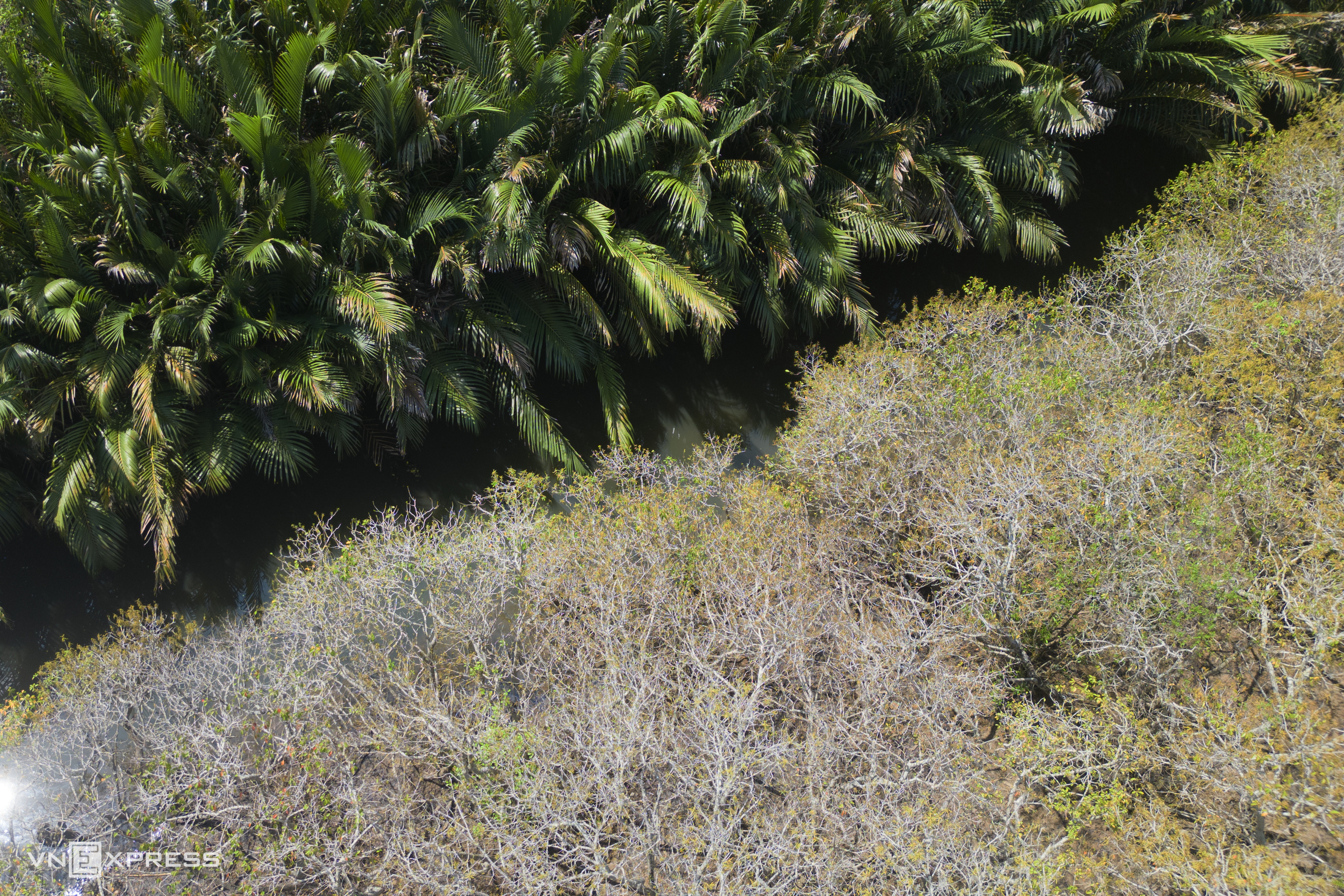 |
In recent years, forest rangers have planted additional nipa palms and sour ban trees around the ancient cha forest. Hoa Chau ward has established a community tourism group in Ru Cha, aiming to develop tourism models focused on nature exploration.
Ru Cha mangrove forest in bloom. Video: Vo Thanh
Vo Thanh