According to the decision, the project will be implemented through a bidding process and has an operational term of 50 years from the approval date. Investors must contribute a minimum of 15% of the capital, with the remaining funds to be mobilized from legal sources.
The civilian component of Phan Thiet Airport is planned across 74,6 hectares and is designed to handle approximately 2 million passengers annually by 2030. It will accommodate Code 4E civil aircraft, serving domestic flights, some irregular international flights, and humanitarian relief operations.
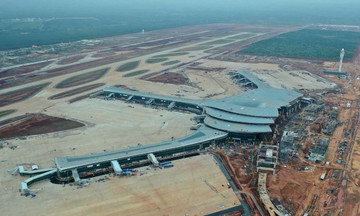
Perspective view of Phan Thiet Airport's civilian component. Photo: Binh Thuan |
Perspective view of Phan Thiet Airport's civilian component. Photo: Binh Thuan
Key infrastructure includes a passenger terminal spanning 16,000 to 18,000 square meters. The airside area will feature an apron with 6 parking stands, two taxiways connecting to the apron, a 45-meter-tall air traffic control tower, an operations building, and systems for signal lighting, navigation, and meteorological observation.
The total investment for the project is estimated at 3,797 billion VND. This sum includes over 2,067 billion VND for construction, nearly 830 billion VND for equipment, with the remaining funds allocated to management, consulting, and contingency expenses. The project is expected to be completed within 24 months from the investment policy approval.
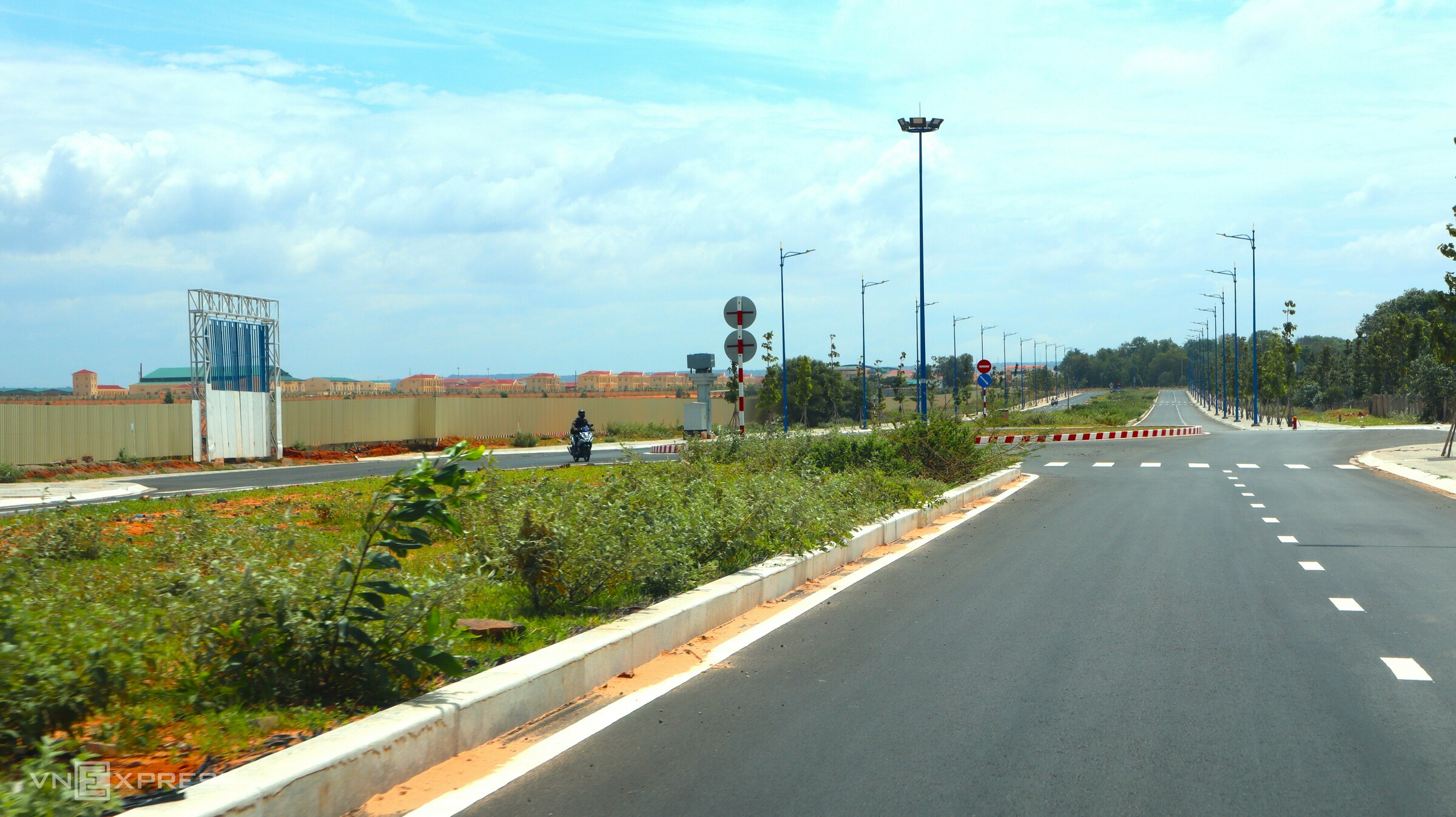 |
Road leading to Phan Thiet Military Airport. Photo: Viet Quoc |
Road leading to Phan Thiet Military Airport. Photo: Viet Quoc
The Provincial People's Committee has assigned the Department of Construction to lead the bidding process for investor selection and oversee the project's implementation. Other relevant departments and agencies will collaborate on procedures concerning land, environment, finance, and national defense-security.
Phan Thiet Airport is a dual-use facility, combining military and civilian functions, originally planned in 2013 with a total area exceeding 543 hectares. While the military components, overseen by the Ministry of National Defense, are complete, the civilian section previously experienced delays due to adjustments in scale and investment methods.
Viet Quoc