On the morning of 4/6, during the solemn session of the 14th National Congress of the Vietnam General Confederation of Labor, the Vietnam General Confederation of Labor presented five sets of recommendations to Party, State, and Government leaders. These proposals were gathered from tens of thousands of opinions from union members and employees across the country.
Among these recommendations, the labor union requested the National Assembly to amend the 2019 Labor Code to align with the current socio-economic development. A key proposal is to add two national day holidays, enabling employees to take leave from 2 to 5/9. This extended break would allow them to take their children to school on the first day of the new academic year.
This proposal has been repeatedly brought forward by the labor union. During the 13th National Congress of the Vietnam General Confederation of Labor in 2023, the Vietnam General Confederation of Labor also advocated for two additional national day holidays. The aim was to provide more rest for employees and assist families with children entering the new academic year.
During the amendment process for the 2019 Labor Code, the labor union initially proposed adding three national day holidays. However, when the law was enacted, the official number of holidays increased by only one day. This additional day is scheduled either before or after 2/9 annually, as determined by the Government.
In 2023, the labor union reiterated this objective. They argued that many employees, particularly those in shift work and direct production, struggled to take their children to school on the first day of the new academic year.
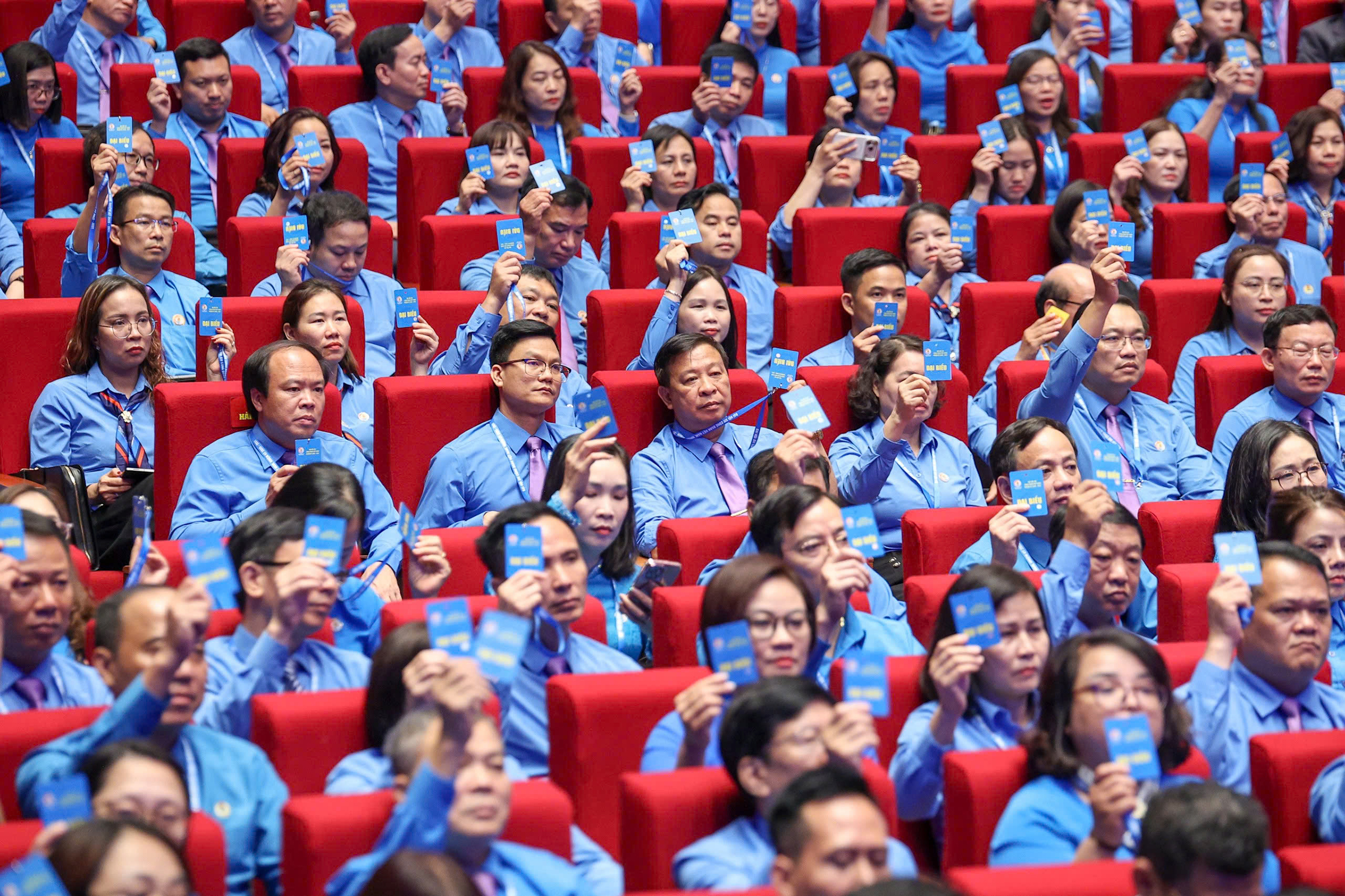 |
780 delegates representing over 10 million union members nationwide attended the 14th National Congress of the Vietnam General Confederation of Labor from 3 to 5/6 in Hanoi. Photo: Hoang Phong
Last April, the National Assembly passed a Resolution designating 24/11 as Vietnam Culture Day. On this day, employees are entitled to a paid day off. Citizens also benefit from free or reduced admission fees at public cultural and sports facilities, as determined by the competent authority.
The Ministry of Home Affairs is currently reviewing the inclusion of a fully paid holiday provision into the draft amendment and supplement of the Labor Code. Should this be approved by the National Assembly during the second session of the 16th National Assembly, the total number of official public holidays annually would rise from 11 to 12 days.
Proposal to reduce working hours to 40-44 hours per week
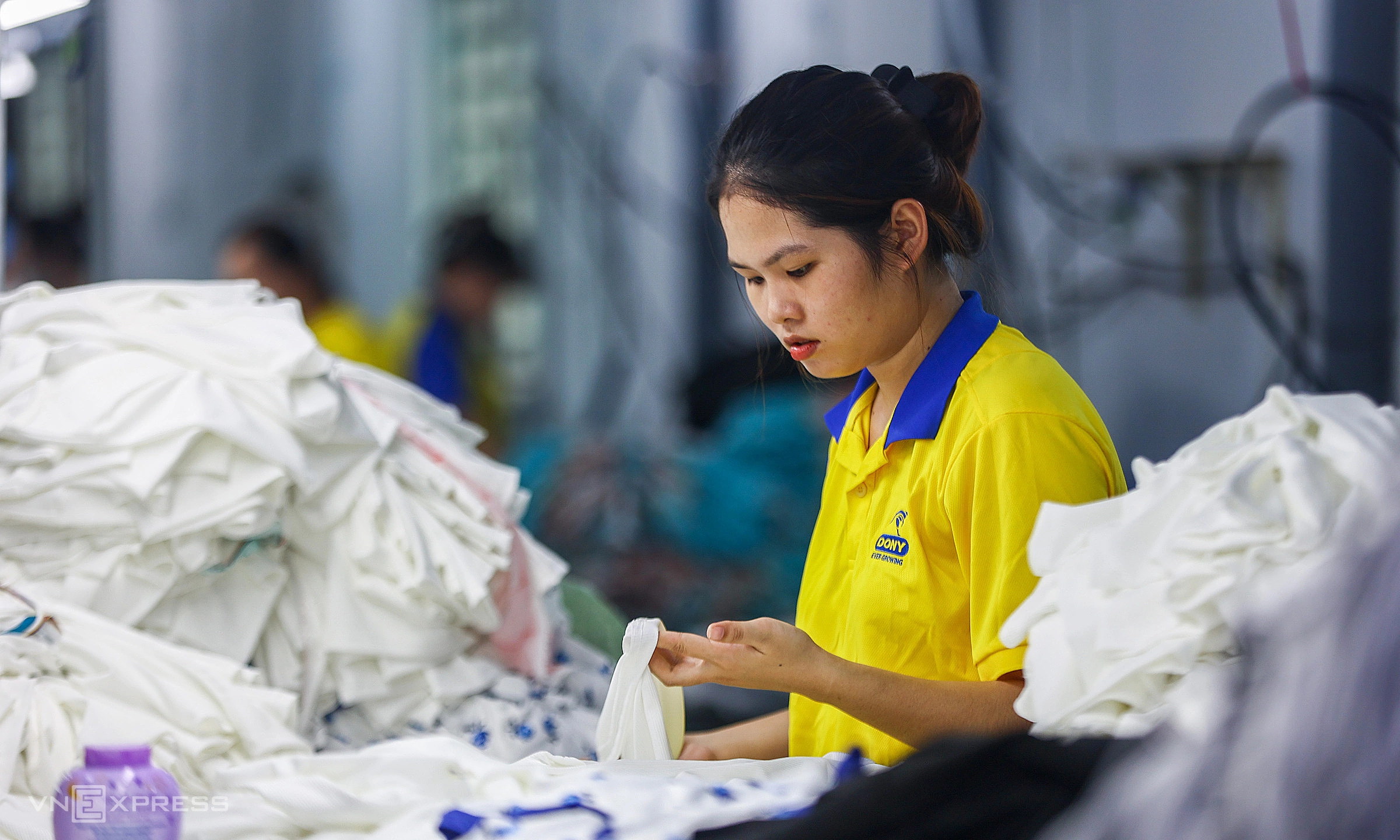
Alongside the proposed increase in public holidays, the Vietnam General Confederation of Labor continues to advocate for reducing standard working hours for employees in the enterprise sector to 40-44 hours per week, aligning it more closely with the public sector.
Currently, the Labor Code mandates normal working hours not exceeding 8 hours daily and 48 hours weekly. Businesses may arrange working hours on a daily or weekly basis, provided they inform employees. The State encourages enterprises to implement a 40-hour work week.
Statistics from the Department of Work Safety in 2019 indicate that Vietnamese employees' working hours are among the highest in Southeast Asia, while the number of public holidays remains low. The average total working hours are approximately 2,320 hours per year, which is less than in the Philippines, Malaysia, and Thailand, but more than in Singapore, Indonesia, Laos, and Cambodia.
Beyond these points, the labor union also recommended: supplementing regulations on employer responsibility for shift meals; allocating paid time for employees to study policies and laws; continuing wage reform in the public sector; and working towards a living wage in the enterprise sector.
The labor union further proposed solutions to stabilize prices of electricity, water, fuel, and essential goods, aiming to ease spending pressure on employees. They also advocated for expanding the coverage of employment policies, social insurance, and unemployment insurance for informal labor, while concurrently aligning education and training with the practical demands of the labor market.
Hong Chieu