Public investment capital disbursement is a key political task for the construction sector in 2026, contributing to the nation's economic growth target of over 10%. However, updated data from investors indicates that the Ministry of Construction's disbursement rate remains below requirements, with many projects failing to meet registered plans.
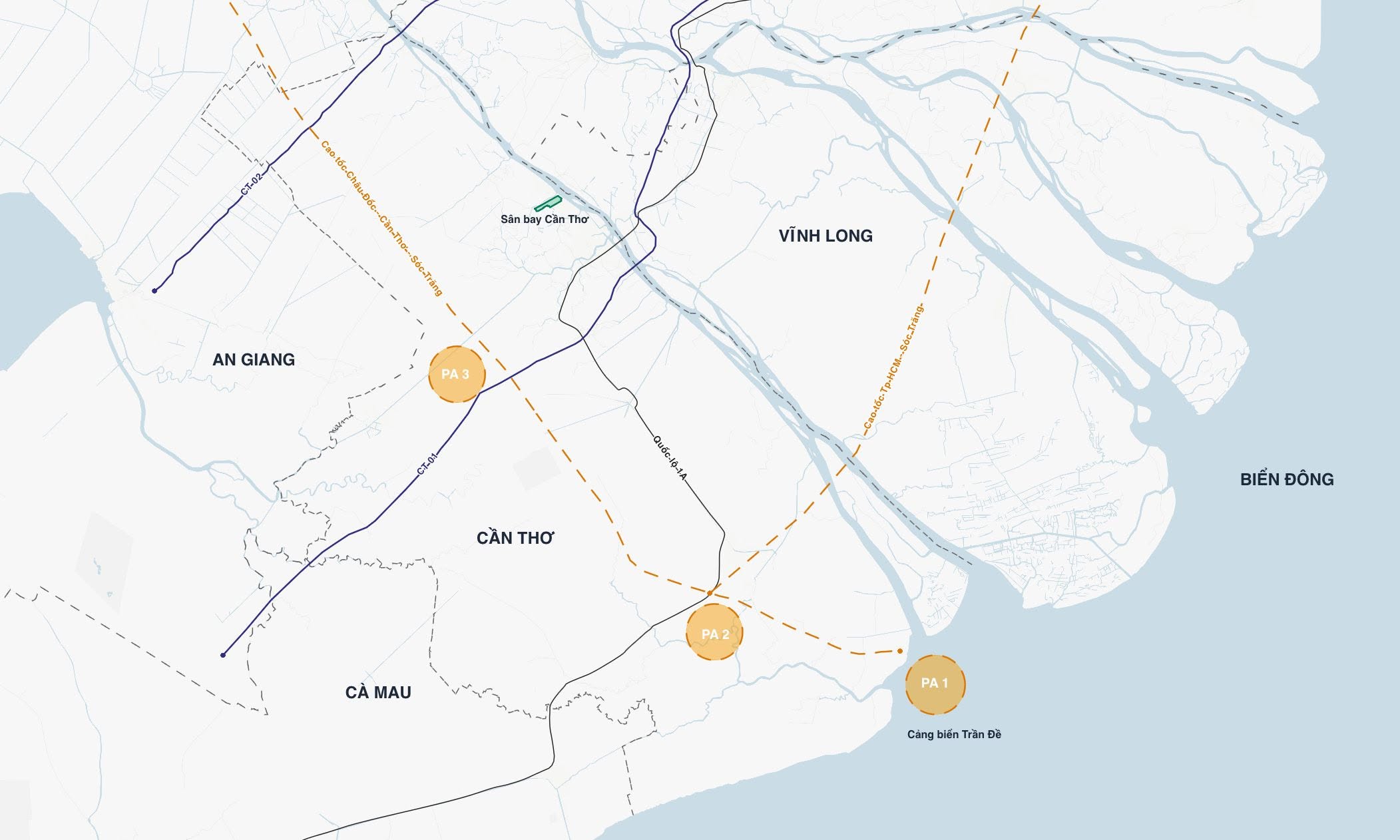
In the conclusion notice by Minister of Construction Tran Hong Minh at a meeting reviewing project progress and public investment capital disbursement in 2026, the Ministry identified numerous units with low disbursement results. Notable examples include: My Thuan Project Management Board, responsible for the My An - Cao Lanh, Can Tho - Hau Giang, and Hau Giang - Ca Mau expressways; Project Management Board 2, overseeing the Quang Ngai - Hoai Nhon and Cho Moi - Bac Kan expressways; Project Management Board 7, managing the National Highway 20 upgrade and the Vinh Hao - Phan Thiet expressway; and the Vietnam Road Administration, for the National Highway 14E project through Da Nang City.
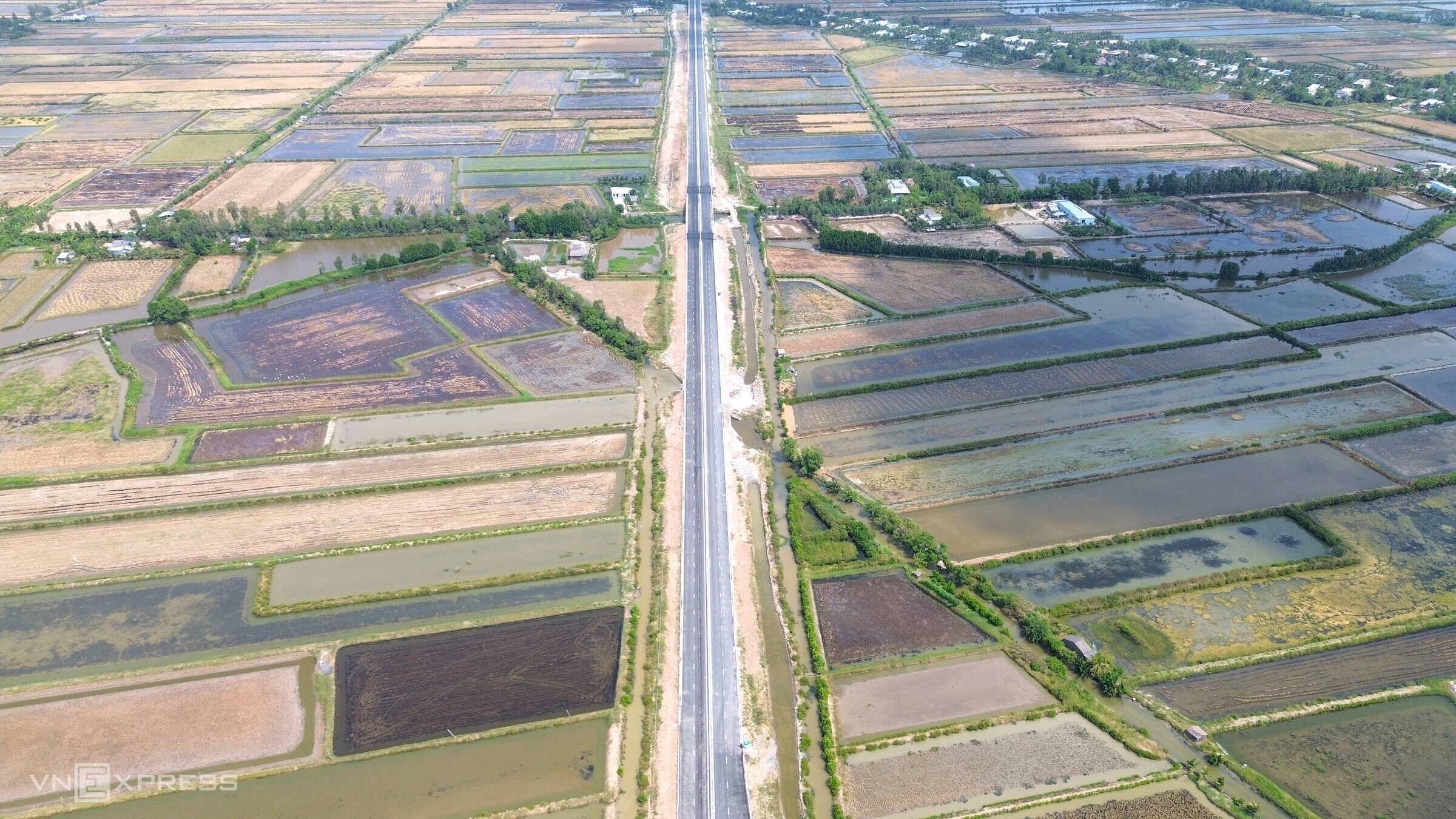 |
Hau Giang - Ca Mau expressway, section passing through Ca Mau province in 1/2026. *Photo: An Minh*
Additionally, several units reported disbursement rates below the Ministry's overall average, including: The Maritime and Waterway Project Management Board, Railway Project Management Board, Thang Long Project Management Board, Ho Chi Minh Road Project Management Board, Vietnam Maritime and Waterway Administration, Ninh Binh Department of Construction, Phu Tho Department of Construction, Da Nang City Department of Construction, and Dak Lak Province Project Management Board for Transportation and Rural Development.
Minister Tran Hong Minh stated that the disbursement results in recent months have not met targets, attributing this primarily to the leadership and management responsibility of the heads of investor units. He sternly criticized units with disbursement outcomes below the Ministry's average.
To accelerate progress in the remaining months of the year, the Minister instructed investors and project management boards to urgently review and clarify the causes impacting disbursement progress. Investors must also reassess and reconstruct both the overall and detailed schedules for each project and tender package, clearly identifying critical paths and bottlenecks, and assigning specific responsibilities for each item.
The Minister directed project management boards to instruct contractors to mobilize maximum personnel and equipment, organize construction in "3 shifts, 4 crews" (24/7), implement continuous construction, prioritize high-value items, and resolutely replace underperforming contractors if they jeopardize project progress.
The Minister emphasized that if units show no clear improvement by 30/9, the Ministry of Construction will conduct a specialized review of the respective heads to consider appropriate disciplinary action. For projects scheduled for completion in 2026, the Minister strictly mandated that no delays, extensions, or adjustments to the timeline are permitted without objective and justifiable reasons.
Investors must accurately review capital that is no longer needed for disbursement or has completed its expenditure tasks, to promptly propose adjustments to capital plans. Concurrently, they are responsible for the accuracy of reported data, ensuring no instances of retaining capital without disbursing it or submitting dishonest reports.
Anh Duy