 |
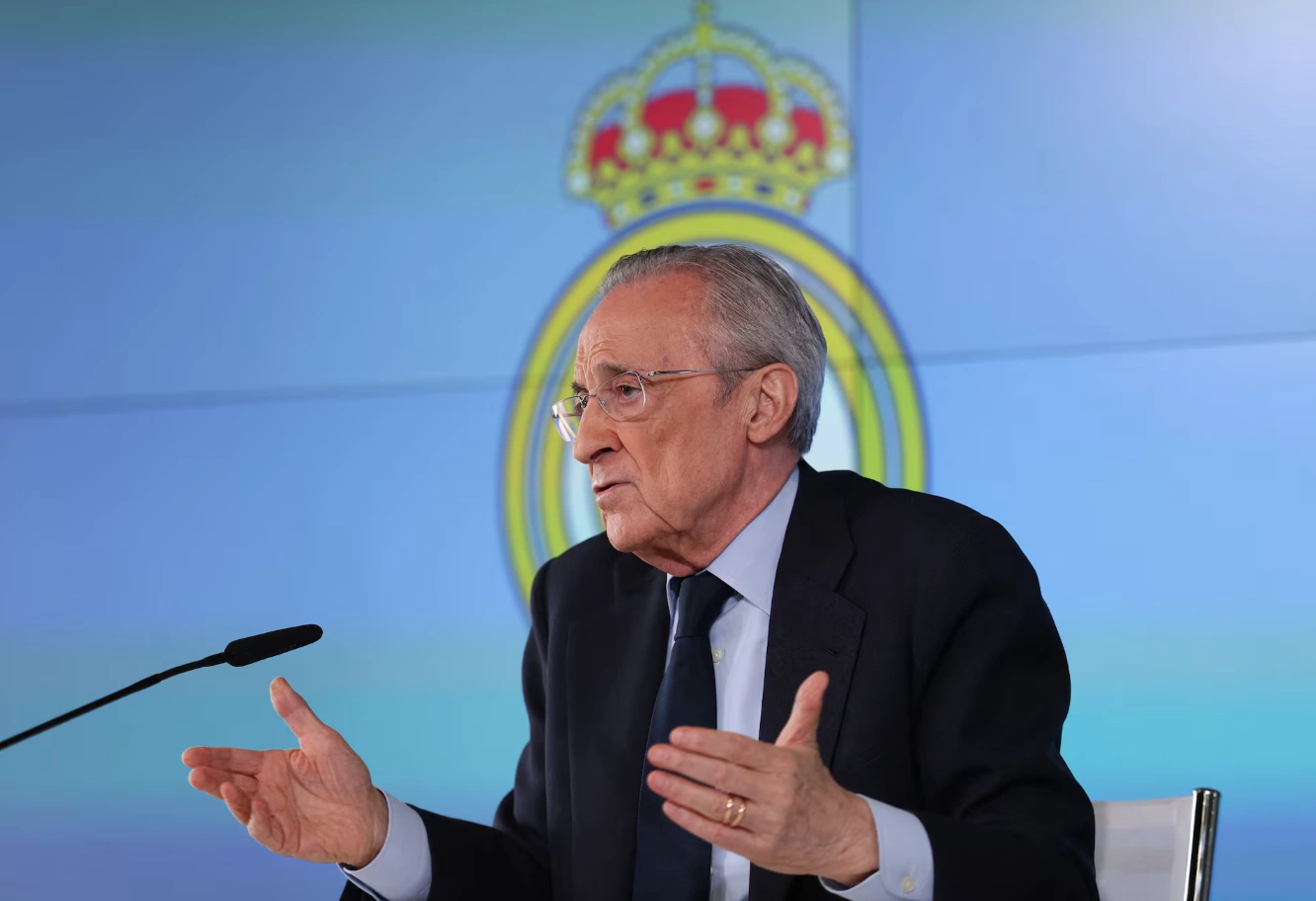
President Florentino Perez at a press conference at Ciudad Real Madrid, Valdebebas, Madrid, Spain on 12/5/2026. Photo: Reuters |
President Florentino Perez at a press conference at Ciudad Real Madrid, Valdebebas, Madrid, Spain on 12/5/2026. Photo: Reuters
During his Real Madrid presidential re-election campaigns, Florentino Perez consistently emphasized La Fabrica as the "best football academy in the world." This was not merely a professional statement but also a political message, given that arch-rival Barca had achieved success for many years through its La Masia academy.
To support his viewpoint, Perez often cited statistics. He once stated that 191 players who graduated from the Real academy were playing in professional leagues worldwide. Annual reports from the International Centre for Sports Studies (CIES) have also frequently ranked Real among clubs that develop many players featuring in Europe's top 5 national leagues, although Barca often ranked higher.
This summer, however, Real gained another "weapon" to demonstrate La Fabrica's effectiveness: a substantial revenue stream from player transfers.
Over the past decade, the royal club has implemented a strategy of selling young players to clubs where they would have more playing opportunities, while retaining approximately 50% of their economic rights. When players' values increased and they were sold to other teams, Real would receive an additional substantial sum. This model benefits all parties: the buying club acquires young talent at a reasonable fee, the player gets development opportunities, and Real continues to profit from subsequent transfers.
The effectiveness of this strategy was evident during the summer 2026 transfer window. Real earned approximately 17,6 million USD when Mario Gila moved from Lazio to AC Milan for 35,1 million USD, having previously sold the defender to Lazio for 7 million USD in 2022.
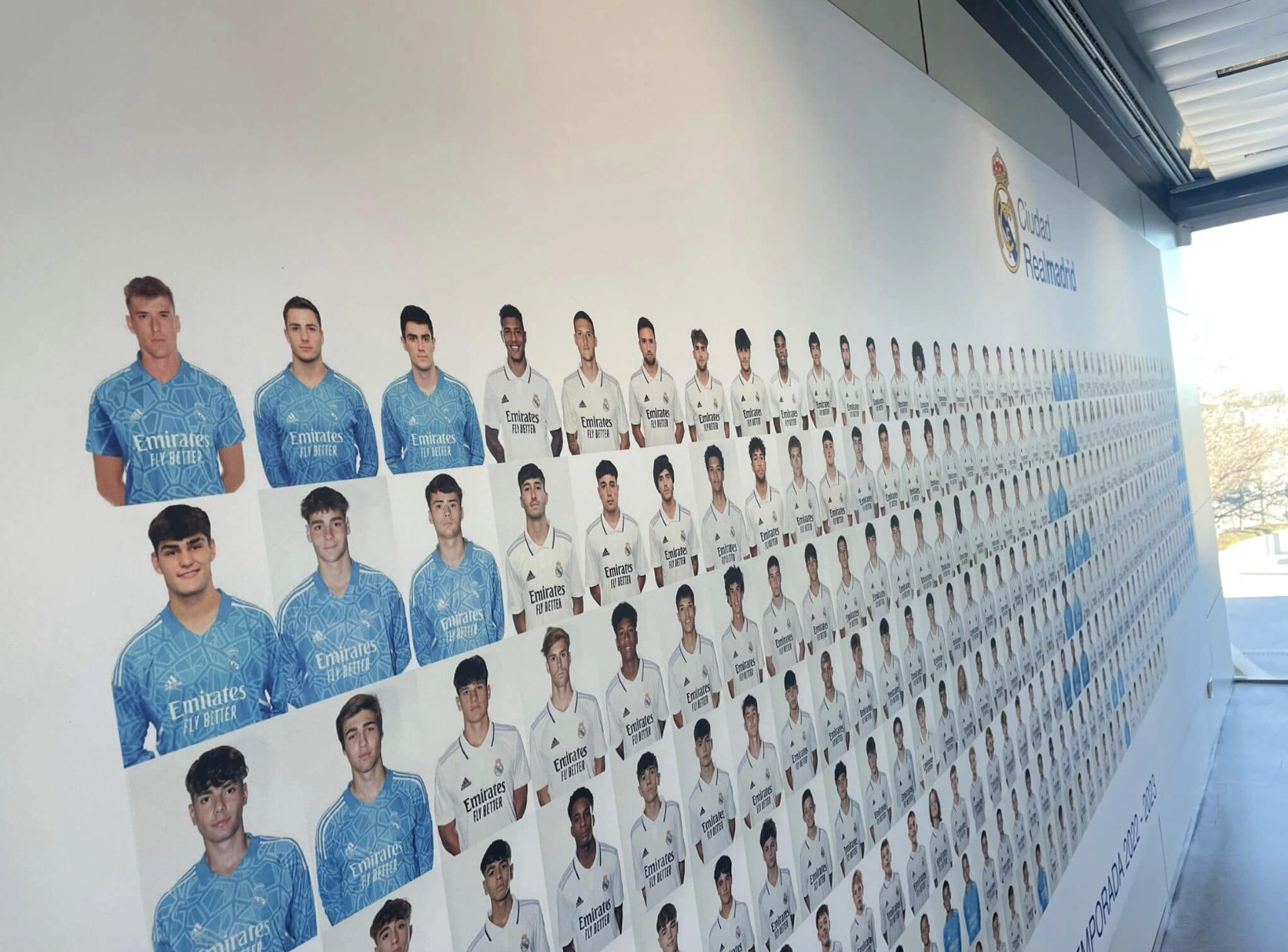 |
Portrait photos of Real Madrid players across various age groups from the 2022-2023 season displayed on a wall at the La Fabrica academy. Photo: The New York Times |
Portrait photos of Real Madrid players across various age groups from the 2022-2023 season displayed on a wall at the La Fabrica academy. Photo: The New York Times
The Spanish capital club also received an additional 23,4 million USD when Victor Munoz, who was sold to Osasuna for 5,9 million USD last season, moved to Liverpool for a fee of 46,8 million USD. Meanwhile, Alvaro Rodriguez and Alex Jimenez brought Real nearly 29,3 million USD after joining Bournemouth. Notably, these four players combined had fewer than 20 first-team appearances for Real.
Real's revenue is likely to increase further as Gonzalo Garcia and Cesar Palacios are set to join Fulham for a total value of approximately 60,8 million USD. In this deal, Real is expected to retain 30% of the economic rights instead of the usual 50%.
Previously, the Bernabeu club also executed one of its most successful deals with Nico Paz. The Argentine midfielder was sold to Como for 7 million USD with a buy-back clause. After a breakout season in Serie A, Real activated this clause before reselling the player for a much higher price, generating an additional approximately 70,2 million USD.
In total, Real has "pocketed" over 198 million USD from La Fabrica graduates not considered part of the first team's long-term plans. This sum even exceeds the amount the club has spent on transfers since the start of the transfer window.
However, this financial success also raises questions about Perez's assertion that La Fabrica is the best academy in the world. Except for Nico Paz, who still has a chance to return to Real via a 93,6 million USD buy-back clause, most of the aforementioned players were not deemed capable of competing for long-term spots in the main squad.
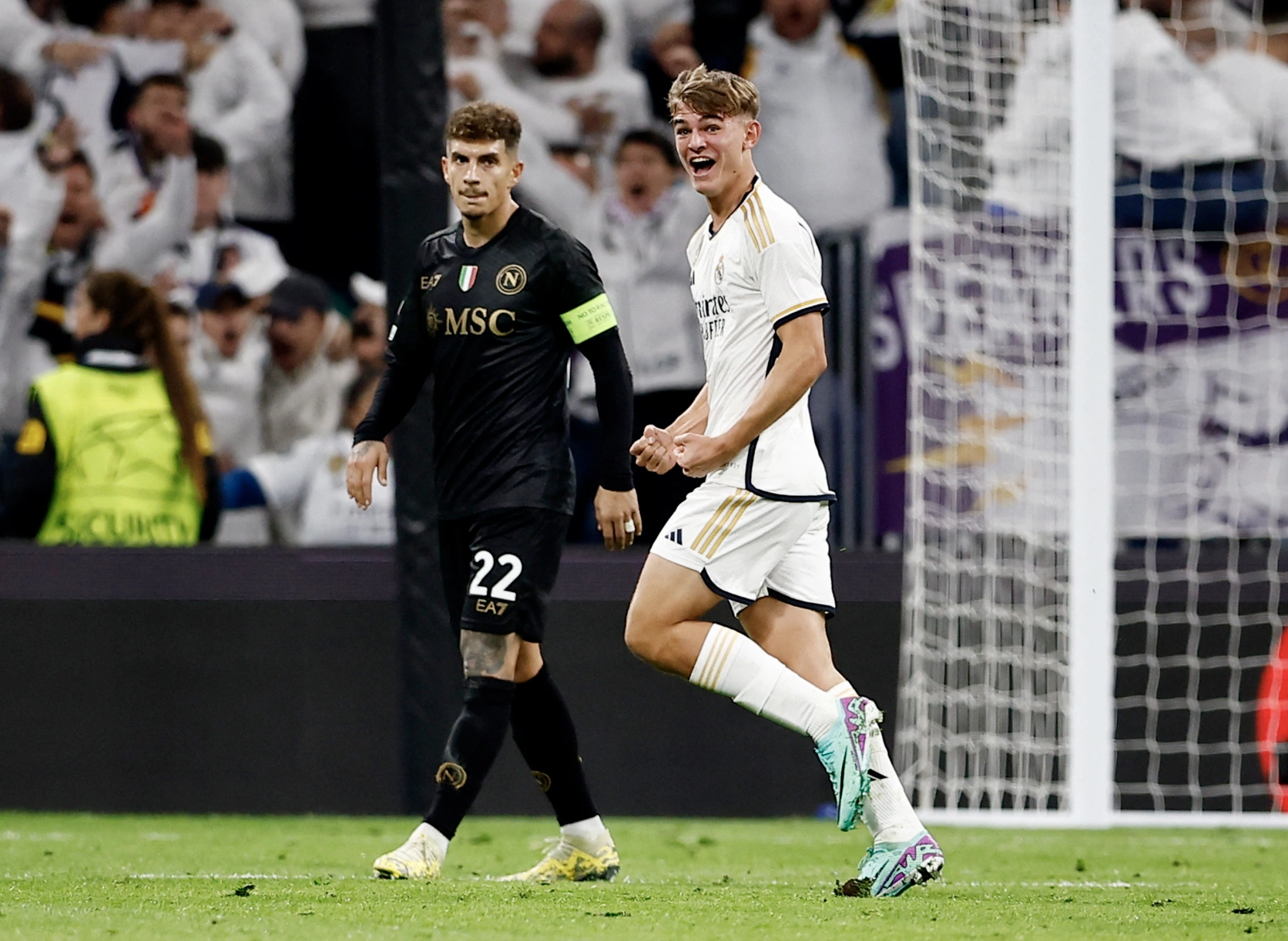 |
Nico Paz celebrates a goal during Real Madrid's Champions League group stage match against Napoli at the Bernabeu, Madrid, Spain on 29/11/2023. Photo: Reuters |
Nico Paz celebrates a goal during Real Madrid's Champions League group stage match against Napoli at the Bernabeu, Madrid, Spain on 29/11/2023. Photo: Reuters
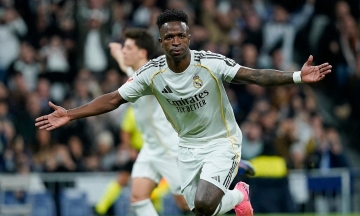
Few players developed at the Real academy have secured permanent places in the first team. Vinicius and Rodrygo are often cited as La Fabrica products, but both were already professional players in Brazil before joining Real and only spent a short time in the youth system. According to Eurosport, Real benefits more from the prestige of Spanish football and the club's own reputation, rather than its ability to develop players for the first team. Many young players who left Bernabeu have continued to shine under Spanish coaches abroad, such as at Bournemouth, Liverpool, or Fulham.
Conversely, Real has also lost many talents like Achraf Hakimi or had to spend tens of millions of USD to bring back players who had left the academy, notably defender Alvaro Carreras. In its squad rejuvenation efforts, the club often prioritizes spending heavily to acquire external talent rather than giving opportunities to homegrown players.
From a sporting perspective, La Fabrica therefore still has a significant gap compared to La Masia. Barca's academy consistently supplies players to the first team and contributes a large number of Spanish national team members. In the Spain squad that won the 2026 World Cup, approximately one-third of the players came from La Masia, while Real had no representatives. More ironically, Real's most prominent new signing this summer is Marc Cucurella – also a product of La Masia itself.
Hong Duy (via Eurosport)